Korva is a scroll of the internet’s best ideas.
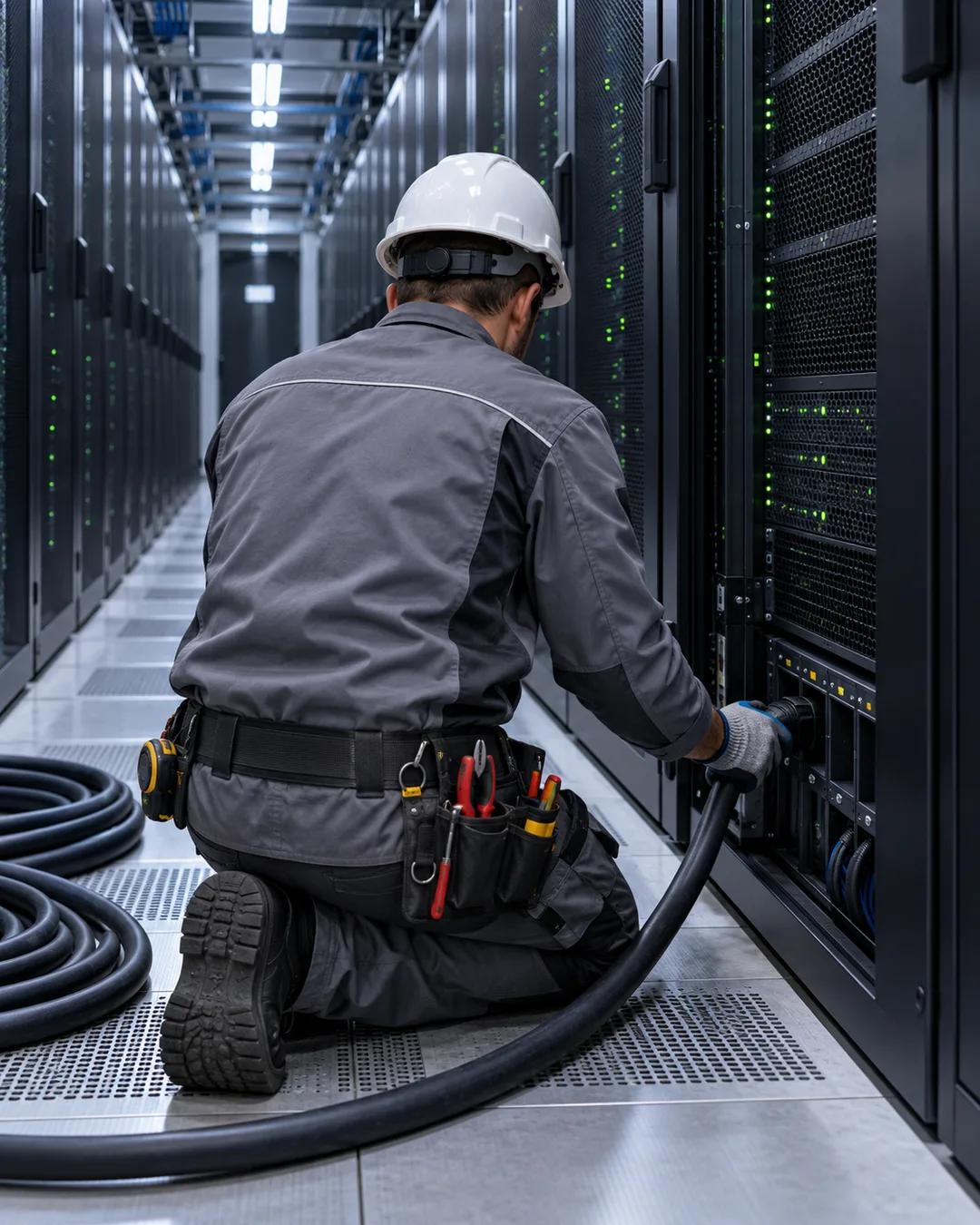
Data centers need electricians

A shortage of trades
Skilled trades went unpopular as a career track over recent decades, because parents told their kids to go to college and take a job in an office. That is changing now, but it will take time for the supply of tradespeople to catch up with demand.
Will demand last
Whether data center demand lasts is an open question. A data center is built once and then needs few people to run it, so the demand could be a boom followed by a bust. Tech optimists argue that the world needs ever more compute. Meanwhile, infrastructure investment is also going into stadiums, manufacturing facilities, bridges, and railroads.
Logistics growth
Logistics is another area growing on the back of digitization and e-commerce. The number of trucks on US streets from the likes of Amazon, UPS, and FedEx has grown tremendously, and so has work in warehouses.
Why do data centers need so many electricians?
A data center is a very dense electrical installation. The International Energy Agency has noted that a typical data center uses about as much electricity as 100,000 households, and the largest ones use many times that. Each facility needs substations, switchgear, backup generators, and miles of cabling, all installed and tested by licensed electricians. Much of that work has to be finished before a single server is switched on.
Why does supply of tradespeople catch up slowly?
Becoming a journeyman electrician in the United States typically takes four to five years of paid on-the-job apprenticeship. Apprenticeship slots depend on how many experienced workers can supervise trainees. A surge in demand cannot be met by a quick course. Workers in training today become available years after the demand appears.
Why does HVAC matter so much in data centers?
Nearly all the electricity that servers consume ends up as heat, and that heat has to be removed continuously. Cooling is typically the largest energy use after the computing equipment itself. Operators measure this with power usage effectiveness, the ratio of total facility energy to the energy used by the IT equipment alone. A ratio of 1.0 would mean no energy goes to cooling or other overhead.