Korva is a scroll of the internet’s best ideas.
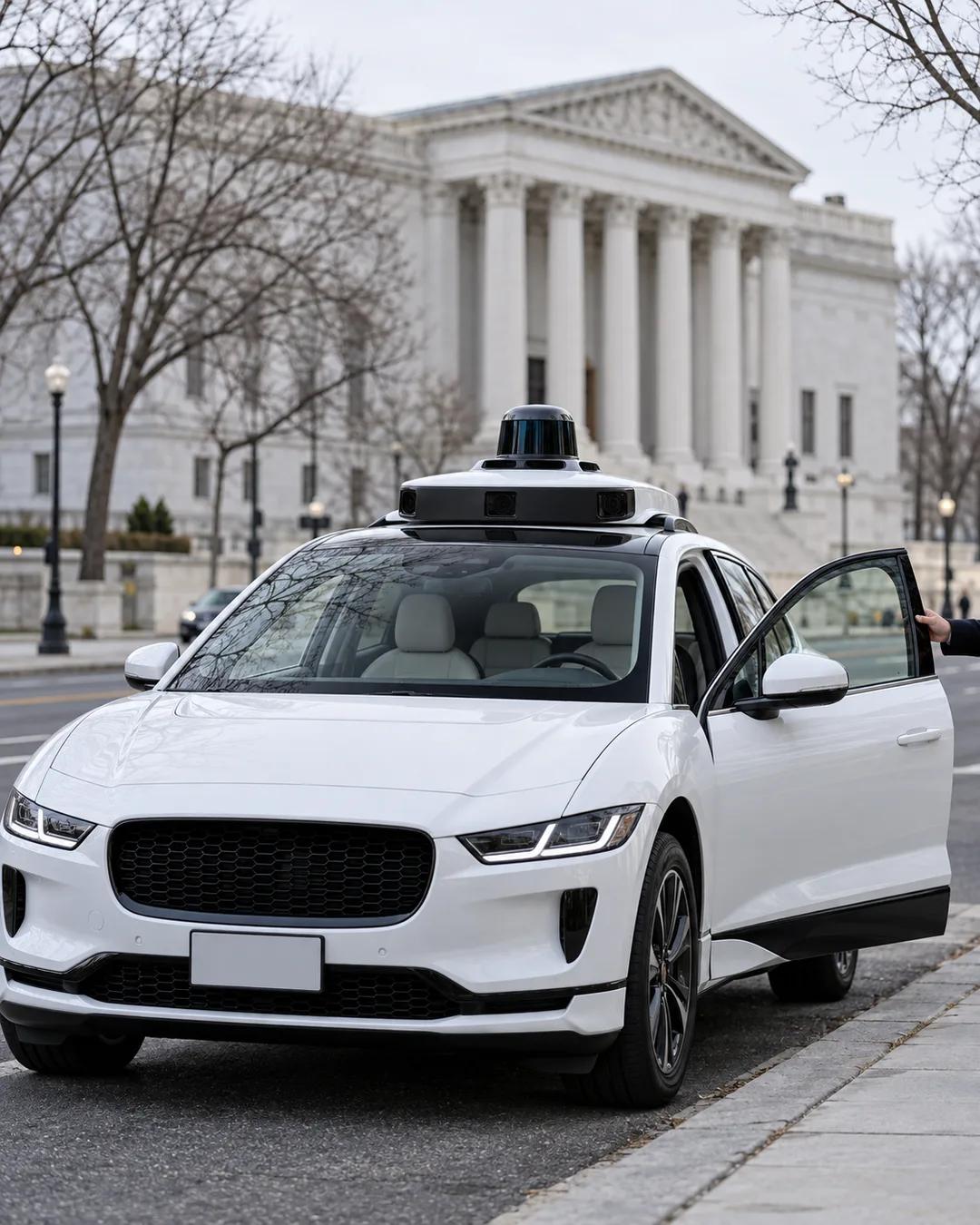
DC weighs commercial driverless rides

What the bill changes
The proposal updates the District's autonomous vehicle act of 2012. Waymo and Zoox can currently test vehicles in the city, but each must have a human operator in the car.
Uber's objections
Uber has come out against the bill. It supports what it calls a hybrid model, in which robotaxi rides are offered as part of a ride-share service that also has human drivers. Uber argues that fully autonomous service replaces human drivers, that human drivers help disabled and elderly riders in ways autonomous vehicles can't, and that a fleet with no drivers creates congestion because cars roll around unoccupied, stall, or wait around.
Waymo's support
Waymo supports the bill. It says the bill lets it deploy autonomous vehicles safely while also supporting public transit and without restricting existing ride shares such as Uber. Riders could still get a human driver from Uber, with Waymo as a separate option. Both companies sent representatives to a hearing on the legislation.
Why does DC regulate driverless cars differently?
The District of Columbia is not a state, and Congress holds final authority over its laws. A bill passed by the DC Council generally goes through a congressional review period before it takes effect. At the national level, the National Highway Traffic Safety Administration sets vehicle safety standards, while states and the District decide who may operate vehicles on their roads.
How do ride-hailing fleets affect traffic?
A car circling while it waits for a passenger adds miles to the road without carrying anyone. A 2018 report from the San Francisco County Transportation Authority found that ride-hailing companies were responsible for about half of the increase in vehicle delay in San Francisco between 2010 and 2016.
How do states permit robotaxi services?
California has used a ladder of approvals: a driverless testing permit from its Department of Motor Vehicles, then a deployment permit, and a separate approval from the California Public Utilities Commission to charge fares. Other states passed laws that let driverless service operate with fewer steps. Arizona's governor allowed testing on public roads by executive order in 2015.
More from This Week in Startups