Korva is a scroll of the internet’s best ideas.
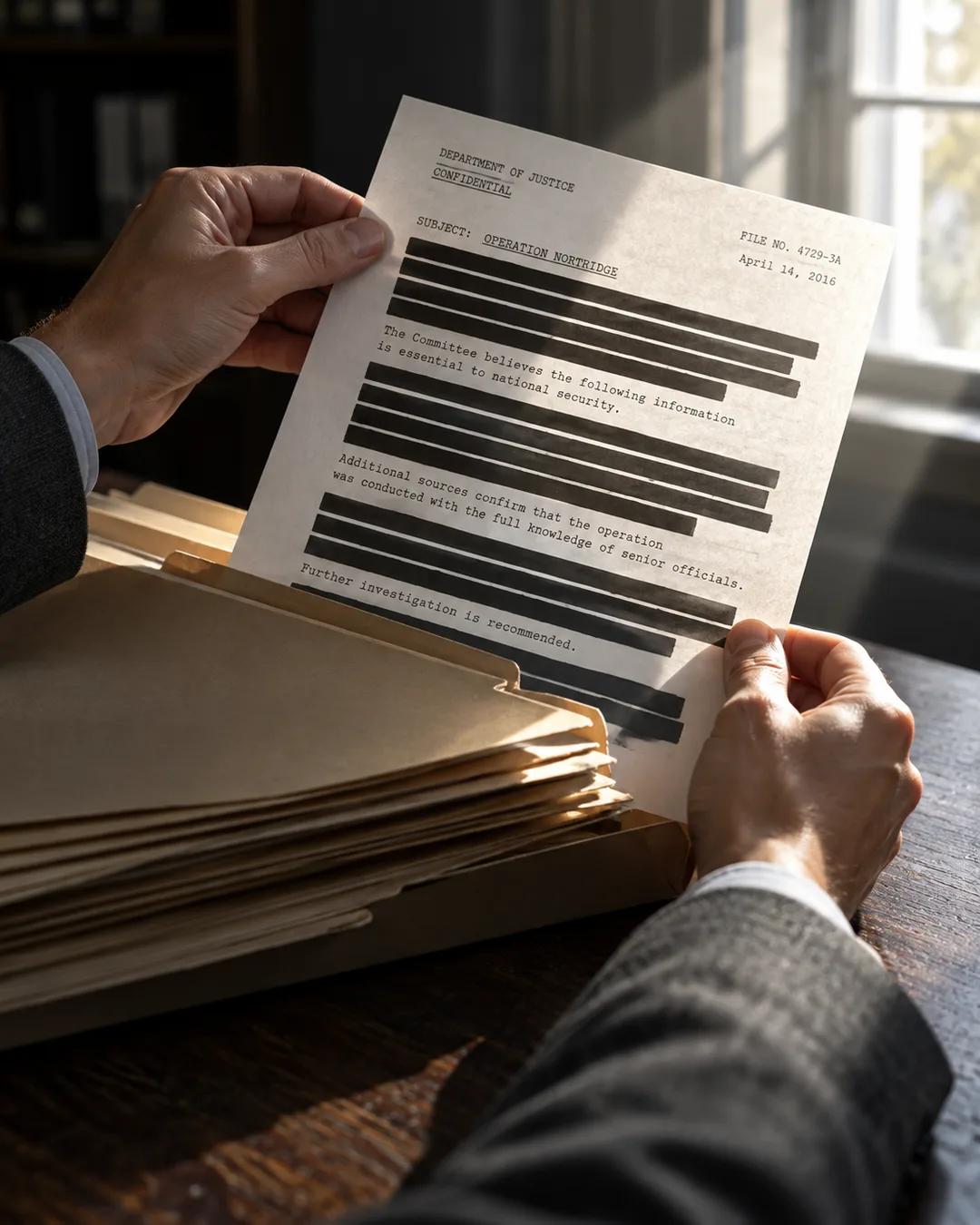
Declassifying secrets to deny Putin
Most US allies were deeply skeptical of the warning, other than the Brits, and thought Putin was bluffing. The early warning helped the Ukrainians defend themselves, and it helped the president build a strong coalition of countries.
The declassification targeted a habit the agency had watched Putin practice all too many times before: creating a false narrative around his actions. Releasing some of the intelligence early took that ability away from him.
William Burns went to Ukraine fourteen times as CIA director, a mark of the agency's commitment to the Ukrainians in what has remained a bloody, costly struggle, and a successful one so far, to resist the Russians.
How does early disclosure blunt a false story?
A false narrative works best when it reaches audiences before the facts do. In 2014, troops in unmarked uniforms took control of Crimea, and Russia denied for weeks that they were Russian soldiers. Putin acknowledged in April 2014 that Russian forces had been involved. Releasing intelligence ahead of time lets the facts be on record first, so a denial arrives against a story already told.
Why do agencies usually keep intelligence secret?
Agencies guard what they call sources and methods, because showing what they know can reveal how they know it. A leaked detail can lead an adversary to the person or the technology that supplied it. Releasing material publicly therefore requires a review of what could be exposed. In the United States, Executive Order 13526 sets the rules for what is classified and when it can be declassified.
More from Not Dead Yet