Korva is a scroll of the internet’s best ideas.

Dementia drug became schizophrenia treatment
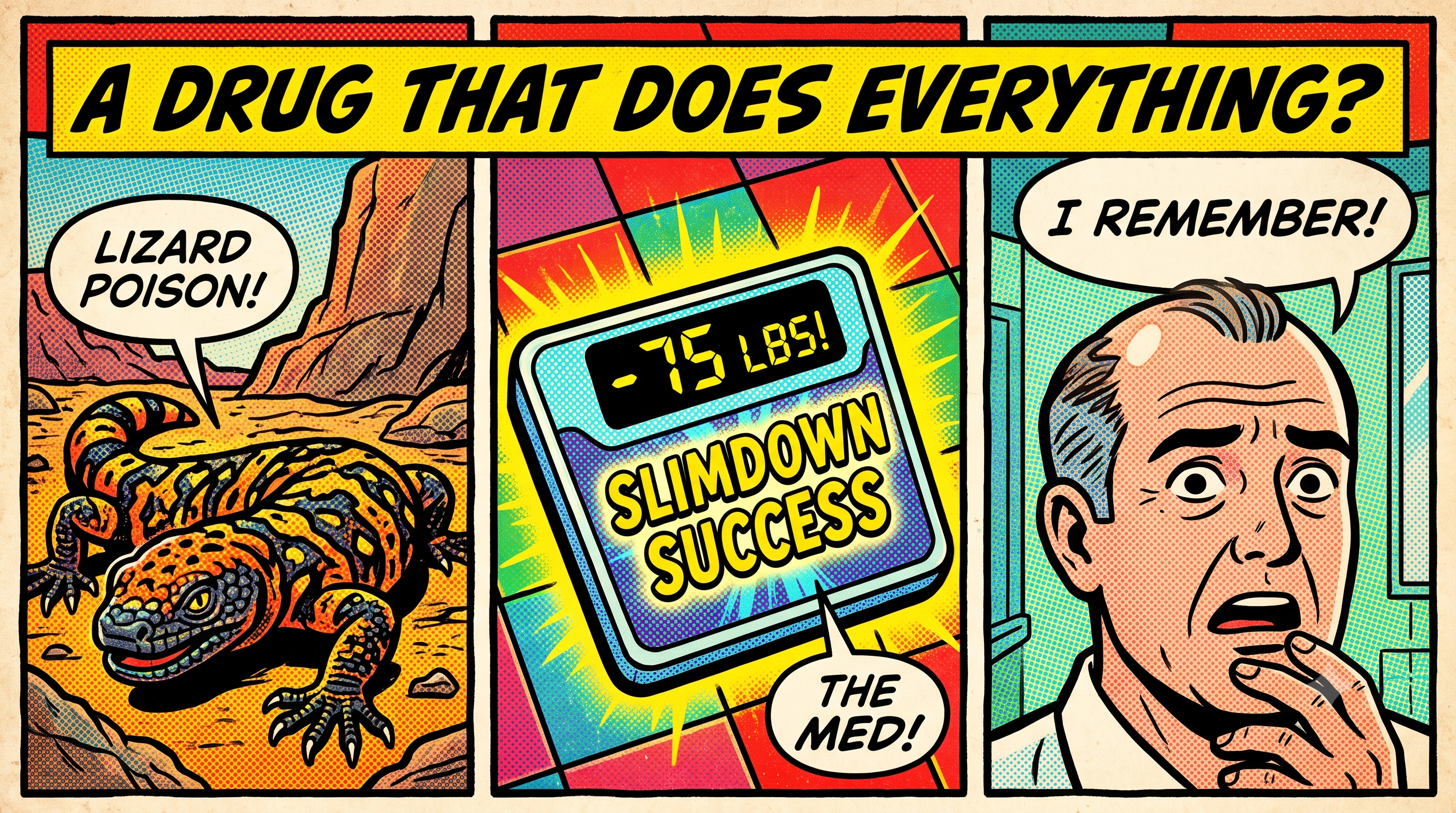
From dementia to psychosis
In the dementia trials, patients had fewer hallucinations, and researchers started to think the drug might work for schizophrenia. The problem was that the drug had more than one effect. In the brain it reduced hallucinations, but it also attached to receptors in the gut and caused severe nausea and vomiting.
The fix
The fix was to add trospium, which prevents the drug from binding to those receptors in the gut. The combination, xanomeline-trospium, became more specific, so it only reaches the brain.
The cost of tweaking
Repurposing doesn't always mean one drug used for three diseases. Sometimes the development of a drug for one disease leads to tweaking it for another, and that still takes chemistry. Once the chemistry changes, the drug has to re-enter development as if it were new to some degree, which can cost far more than a trial of an unchanged drug with its existing safety data.
How does xanomeline ease psychosis?
Most antipsychotics since the 1950s block dopamine receptors. Xanomeline instead activates muscarinic receptors in the brain, mainly the M1 and M4 types, which shape dopamine signaling indirectly. Because it works through a different route, its side effects differ from those of dopamine blockers. The FDA approved the combination, sold as Cobenfy, in September 2024.
Why does trospium stay out of the brain?
Trospium carries a permanent positive electrical charge on a nitrogen atom, which makes it hard to cross the blood-brain barrier, the tightly sealed lining of the brain's blood vessels. It therefore blocks muscarinic receptors in the gut and elsewhere in the body but very little in the brain. In KarXT, that outsider status is the point: it shields the body from xanomeline's side effects while leaving xanomeline's work in the brain intact. Doctors had long used trospium on its own for overactive bladder.
How did a dementia drug reach schizophrenia?
Eli Lilly developed xanomeline in the 1990s and tested it in Alzheimer's disease, where it eased psychotic symptoms such as hallucinations but caused stomach side effects. The company set it aside. A small trial published in the American Journal of Psychiatry in 2008 reported improvement in schizophrenia symptoms. Karuna Therapeutics later paired it with trospium, and Bristol Myers Squibb acquired Karuna in 2024.
More from Saloni Dattani