Korva is a scroll of the internet’s best ideas.
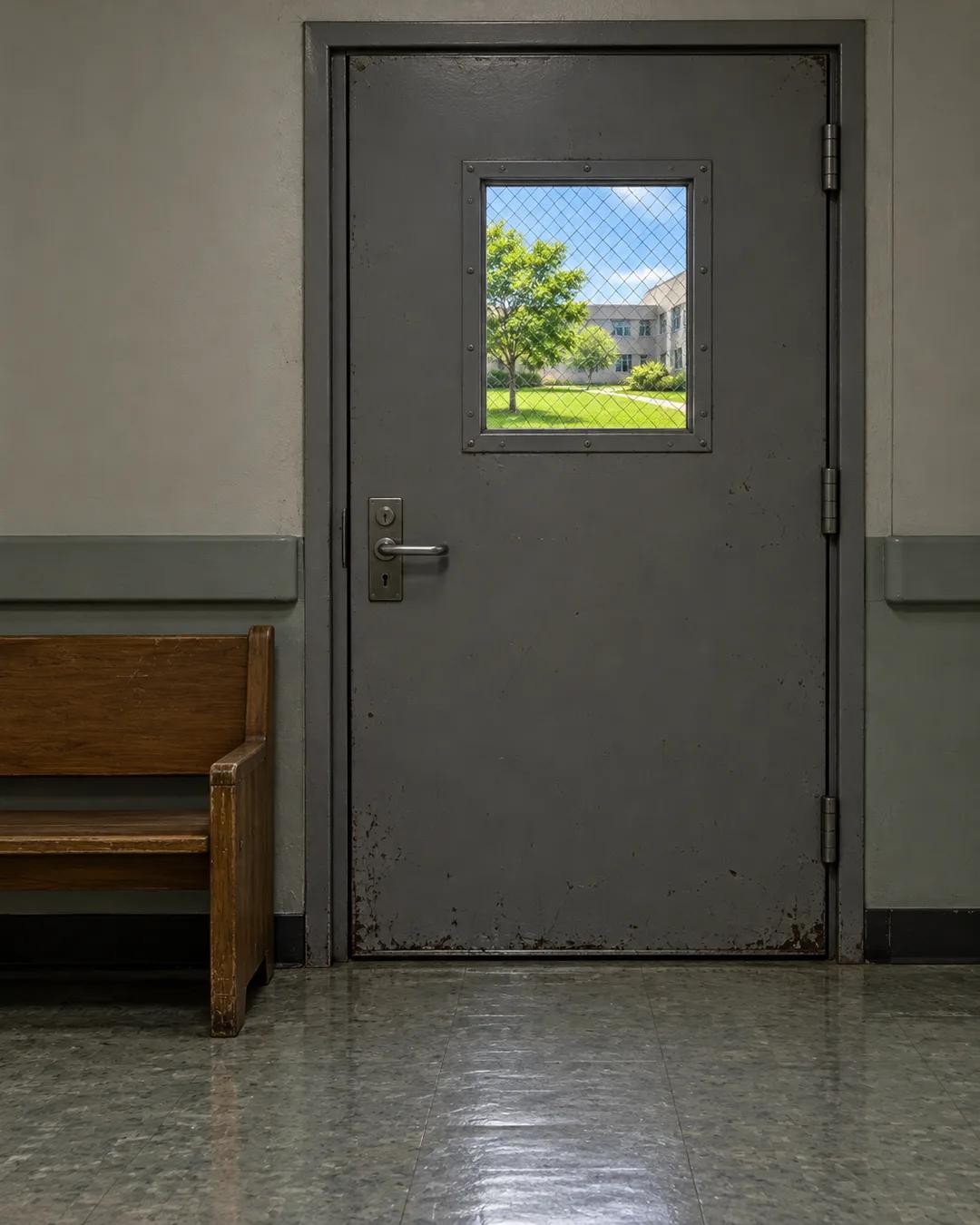
Denied fresh air for a year

A year indoors
After his escape, the hospital considered Brian an escape risk. By the spring of 2016 he hadn't been allowed to go outside for nearly a year, and he filed a complaint with the patients' grievance committee. He is still at Perkins.
Two outside opinions
A forensic psychiatrist not affiliated with the hospital interviewed him four times and found him free of psychotic thinking, with reasonable medical certainty that he would not be a danger to himself or others if released into the community. A certified psychoanalyst who led a patient reading group at Perkins in 2013 found him articulate, sensible, and intelligent, with no sign of mental illness. His sister Kathy has offered to take care of him if he is released.
Nobody on the outside
Brian has no support on the outside. Kathy lives in Ohio and has problems of her own. At the hospital his reputation worsened after he took a hostage and assaulted people, and he has now been there longer than most of the doctors and staff. They never knew him as the young man doing all he could to follow the rules and get along with his psychiatrists. They know him as the only patient to escape in so many years, and as a violent murderer who conceals weapons in his cell.
Why do courts treat outdoor time as essential?
In Spain v. Procunier in 1979, the Ninth Circuit Court of Appeals ruled that denying outdoor exercise to prisoners in long-term segregation at San Quentin violated the Eighth Amendment. The court reasoned that confinement without exercise or fresh air harms physical and mental health over time. Later federal cases have treated exercise as a basic human need, and courts weigh it against safety concerns. The ruling is still widely cited in cases about conditions of confinement.
Why do labels stick to long-term patients?
In a famous 1973 study published in Science, the psychologist David Rosenhan sent eight healthy volunteers to psychiatric hospitals by having them report hearing voices. Once admitted, they behaved normally, and staff read ordinary behavior such as note-taking through the lens of their diagnosis. The volunteers were held for between 7 and 52 days before being discharged.