Korva is a scroll of the internet’s best ideas.
Deterrence is cheaper than any war
Why Deterrence Matters
Anything other than deterrence means long, difficult, expensive, divisive wars with uncertain outcomes. When deterrence erodes, it becomes a massive geopolitical problem overseas and a massive political problem at home.
Berlin and the Gulf
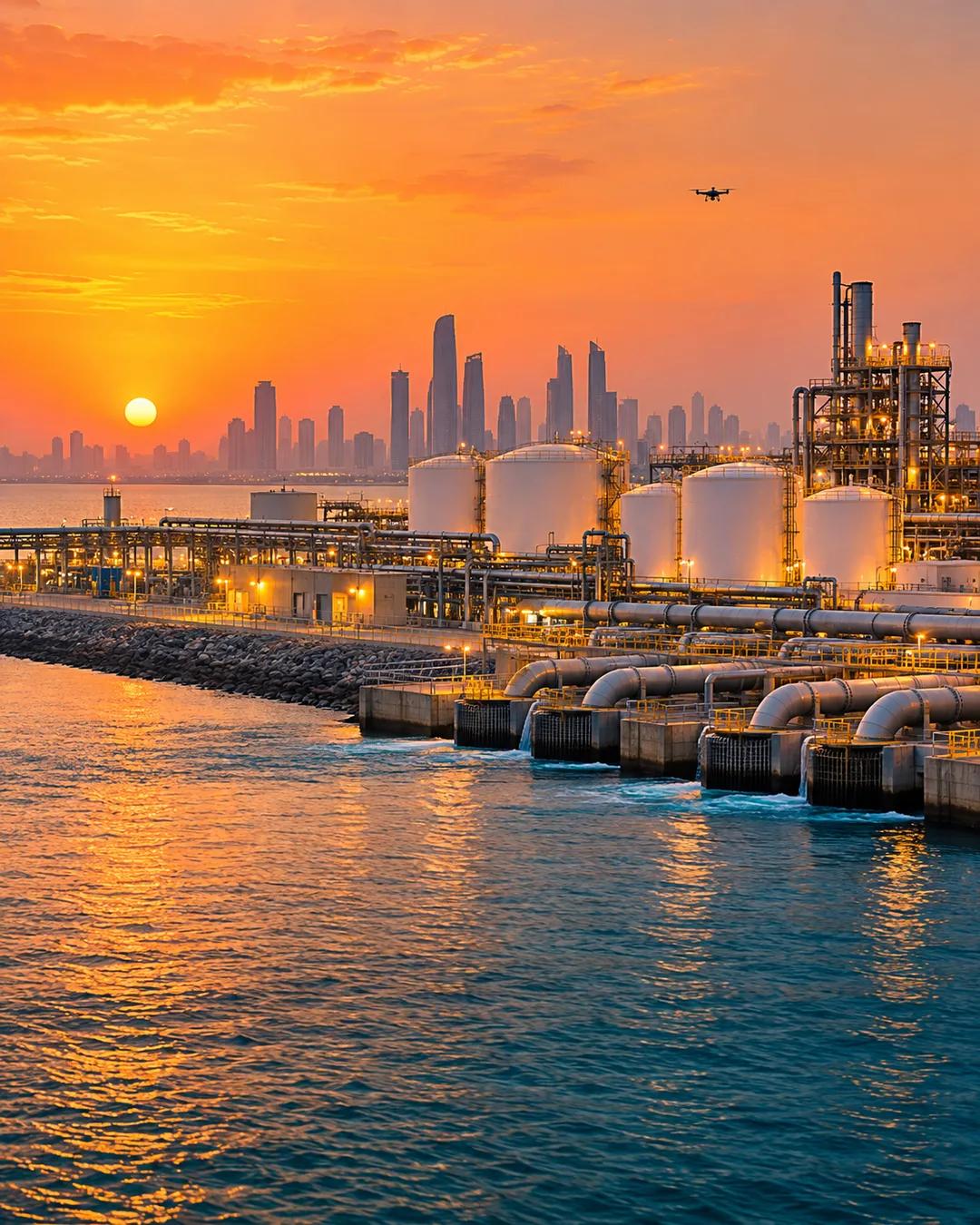
The Cold War version in Europe was a line the Soviets could not cross: invade West Berlin, and holy hell breaks out. In the Persian Gulf, it matters less that Iran can hit a tanker with a drone than that it could put drones on desalination plants and make the Gulf's cities essentially uninhabitable. While that is possible, a foreign country won't make big investments there, and the economic development plans of those states go up in smoke.
Public Support
A threat like that only works when the public stands behind it. Harry Truman after World War II and Franklin Roosevelt in his fireside chats explained how the world works and took the American people into their confidence. It takes a clear vision of what you're doing and why, and enough skill as a communicator to put it across. No one has done that in a very long time.
Why was West Berlin the Cold War tripwire?
West Berlin sat deep inside Soviet-controlled East Germany, and American, British, and French troops were stationed there. Any Soviet attack on the city would hit those troops directly and bring NATO into the war. The Soviets tested the arrangement in 1948 by blockading road and rail access to the city. The Berlin Airlift then delivered more than two million tons of supplies by air over about fifteen months.
Why are desalination plants a Gulf weak point?
Gulf states such as Kuwait, Qatar, and the United Arab Emirates get most of their drinking water from desalination plants on the coast. The plants are concentrated in a few large sites, so damage to a handful of them would cut water to whole cities. In 1991 retreating Iraqi forces released oil into the Gulf, and Saudi Arabia worked to protect its desalination intakes from the slick.
How did Roosevelt's fireside chats work?
Franklin Roosevelt gave the first fireside chat in March 1933, a few days after taking office, in the middle of a nationwide run on banks. He spoke by radio in plain language and explained what the government was doing and why. He gave roughly thirty of them over his presidency. Listener mail to the White House rose sharply after each broadcast.
More from Invest Like the Best with Patrick O'Shaughnessy