Korva is a scroll of the internet’s best ideas.
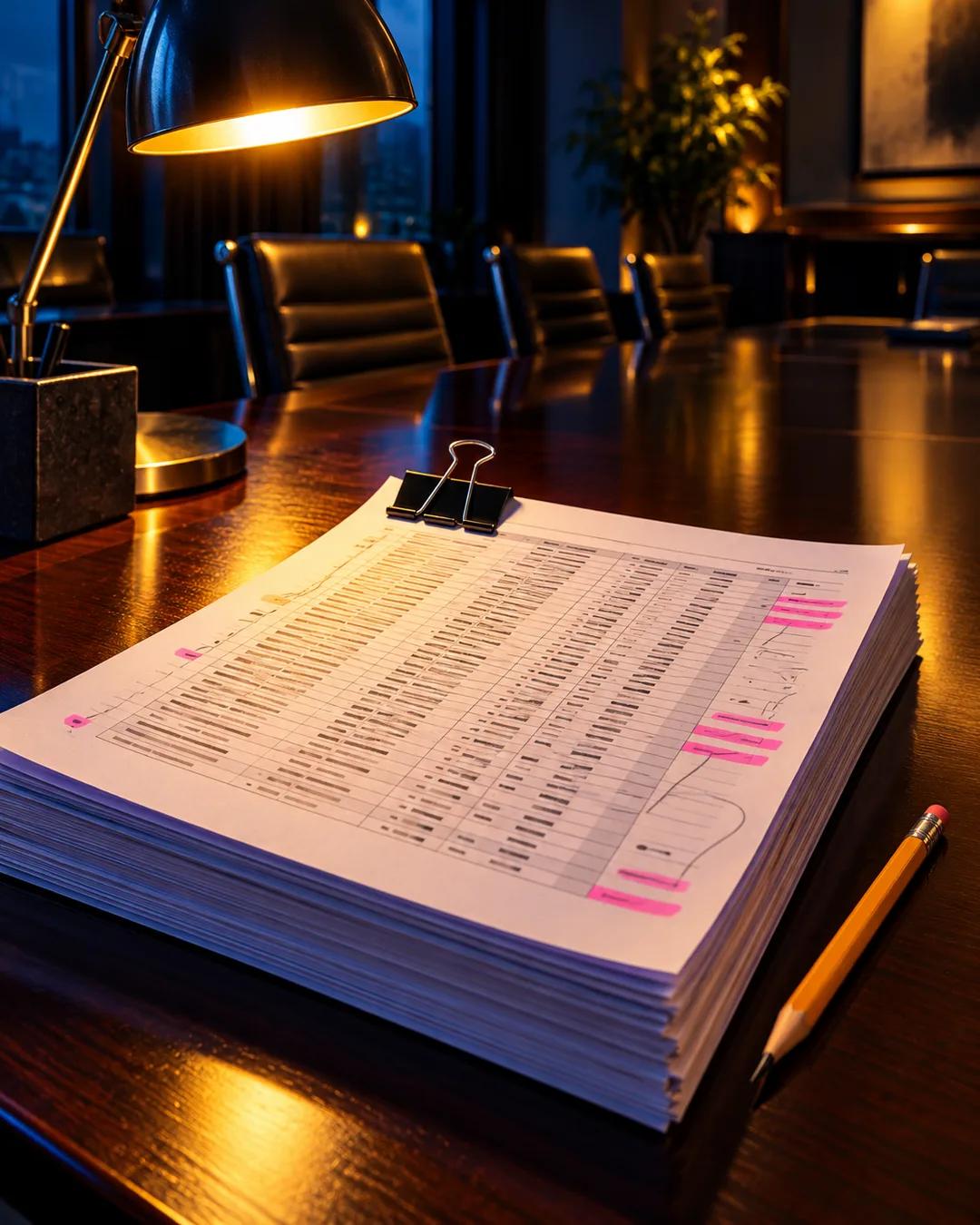
Diller asked who built the model

The model question
The model was a leveraged buyout model for Paramount, built by a young analyst at Allen and Company. Diller wanted to talk to the person who built it, because if he was going to raise billions of dollars in debt, he wanted to know he was good for it. The analyst was sweating and nervous, printed out the model, and walked him through it.
Why go to the source
Over more than 20 years of working for Diller, the analyst saw the same instinct again and again: go to the source. Filtering gets the edge out of a story, and the edge is what gives you an edge. Everyone has the same reaction to the average, so what matters is the last 20 percent, the P95 situation.
How information thins out
Getting unfiltered data was sometimes unpleasant and took more time, and it let Diller go against the grain. The higher up an organization someone sits, the thinner and more processed the layer of information that reaches them. A schedule set by well-meaning people is processed too, so it takes some randomness in interactions and a team that is frank about what is good, what is bad, and what nobody knows yet.
Why do leaders skip the chain of command?
Information that passes through layers gets summarized, softened, and sometimes delayed along the way. Andy Grove, the longtime head of Intel, wrote in his 1983 book High Output Management about skip-level meetings, where a manager meets with people two levels down. Toyota's practice of genchi genbutsu, a Japanese phrase meaning go and see for yourself, builds in the same habit of checking at the source.
How does a leveraged buyout work?
In a leveraged buyout, the buyer pays for most of a company with borrowed money, and the debt is secured by the target's assets and cash flows. A financial model projects those cash flows year by year to test whether the debt can be repaid, usually over a horizon of about five years. Lenders and investors read the assumptions closely because small changes compound across the whole projection. The 1989 buyout of RJR Nabisco, at about 25 billion dollars, remained the largest leveraged buyout for many years.
More from Invest Like the Best with Patrick O'Shaughnessy