Korva is a scroll of the internet’s best ideas.

Demand beats distribution
Plenty of businesses say they don't have distribution because they pay Google for ads. A business with a website already has distribution. Its problem is that it doesn't have demand, and it pays the aggregators that control demand. Aggregators control demand because, in a world of abundance, the hard problem is not distribution, it's discovery. How do you find what you're interested in?
Solving discovery sets off a virtuous feedback loop, and that loop is the core of aggregation theory.
Near-zero transaction costs
Transaction costs are close to nothing as well. Google can scale to the whole world on the user side and on the monetization side. The vast majority of advertisers on Google or Meta never talk to someone there. They go up and buy ads, it is all done by computers, and from a business perspective those computers cost $0.
How do aggregators control demand?
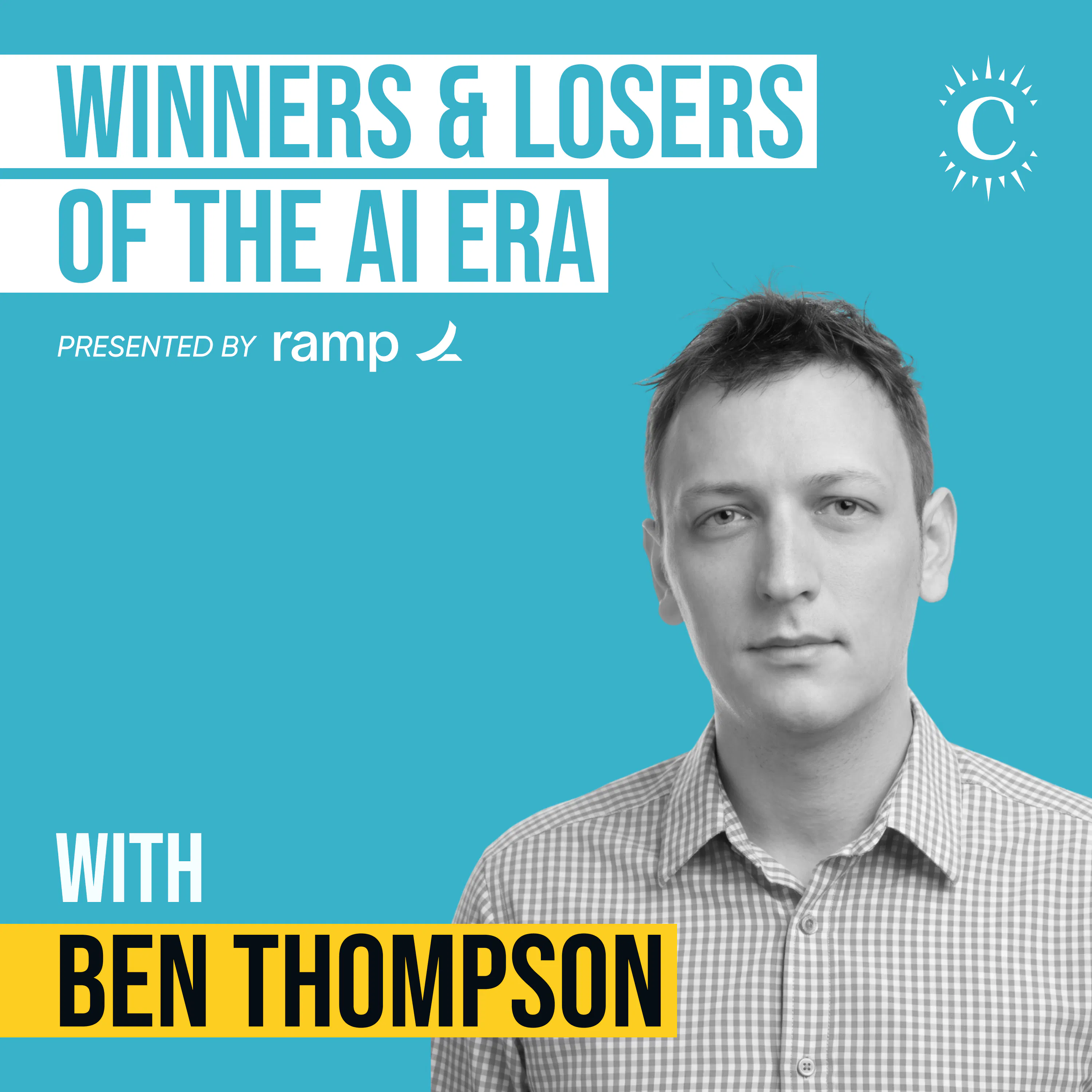
Once most people begin their search at one place, suppliers have to appear there to reach them. That gives the aggregator leverage over the terms, such as how ads are priced and where listings appear. Ben Thompson introduced the idea of aggregation theory in a 2015 essay on his site Stratechery.
Why does solving discovery create a feedback loop?
More users produce more data about what people want, which improves recommendations and brings in more users. Suppliers then compete to be found, and their content makes the service more useful. Google launched in 1998 with PageRank, which used the web's own links to rank pages.
How did online ads become self-serve?
Google AdWords launched in October 2000 and let businesses sign up and buy ads on their own, without a sales call. In 2002, Google switched it to an auction, so advertisers bid for placement. The whole process is run by software.
More from Invest Like the Best with Patrick O'Shaughnessy