Korva is a scroll of the internet’s best ideas.
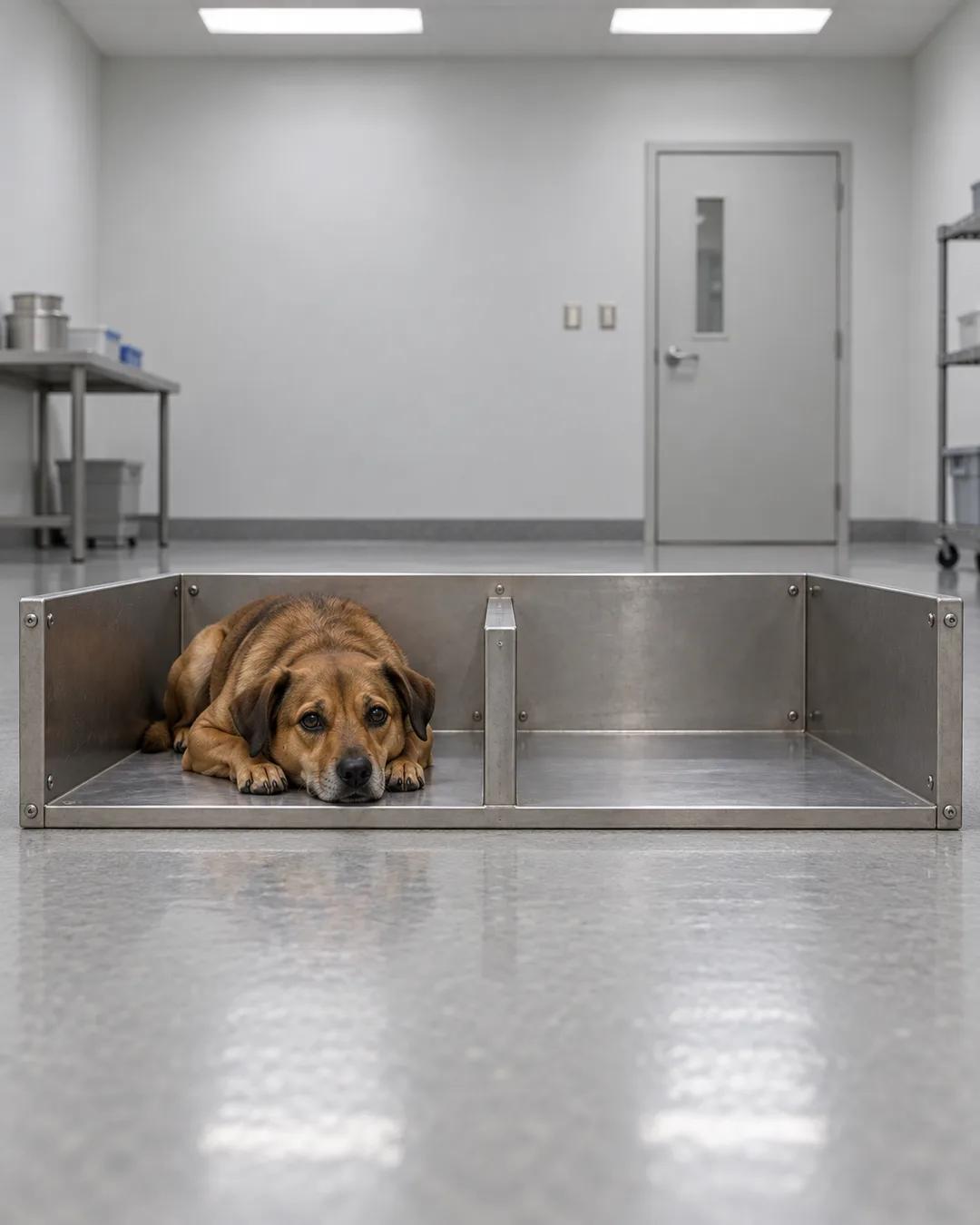
Dogs that stopped trying to escape
The shuttle box
Psychologists in Richard Solomon's lab were studying Pavlovian conditioning: a dog hears a tone followed by a shock, and the tone comes to bring on fear. On day one the dogs hung in a hammock and received the tone and the shock. On day two they were put in a shuttle box, where running from one side to the other turned the shock off, and they did not run.
What Seligman saw
A graduate student named Martin Seligman saw a bigger lesson than the link between tone and shock. In the hammock, the shock came no matter what a dog did. The theory was that the dogs had learned that nothing they did mattered, which would explain why they lay there the next day.
The human version
A psychologist named Donald Hiroto ran the same design on people. On day one, headphones played a loud, annoying noise. One group could do nothing about it, and another group could press a button to turn it off. On day two, each person put a hand in a human shuttle box about four feet long, where noise played on one side and moving the hand to the other side stopped it. The people who had been helpless the day before sat there with their hands in place.
How did experimenters prove control mattered?
In 1967, Seligman and Steven Maier ran the experiment with three groups of dogs. One group could press a panel with its nose to end each shock, a second group received the same shocks with no way to stop them, and a third group received no shocks. The next day in the shuttle box, the dogs that had controlled their shocks and the unshocked dogs learned to escape. Most of the dogs that had had no control did not.
Why was the shuttle box built?
Richard Solomon and Lyman Wynne used a shuttle box in a study of avoidance learning in dogs, which they reported in 1953. In the box, a light dimmed and a shock followed unless the dog jumped over a barrier to the other side. The dogs learned to jump before the shock arrived and kept the habit for many trials. The results became a standard demonstration of how fear drives avoidance.
Did later work change the explanation?
In 2016, Maier and Seligman published a paper titled Learned Helplessness at Fifty. They argued that passivity is the brain's default reaction to prolonged shock, and that what an animal learns is that control is possible. In their account, a region called the ventromedial prefrontal cortex detects control and dampens the stress response in a brainstem area called the dorsal raphe nucleus.
More from Hidden Brain