Korva is a scroll of the internet’s best ideas.
DOJ sues over 20,000 voters

The 48-hour demand
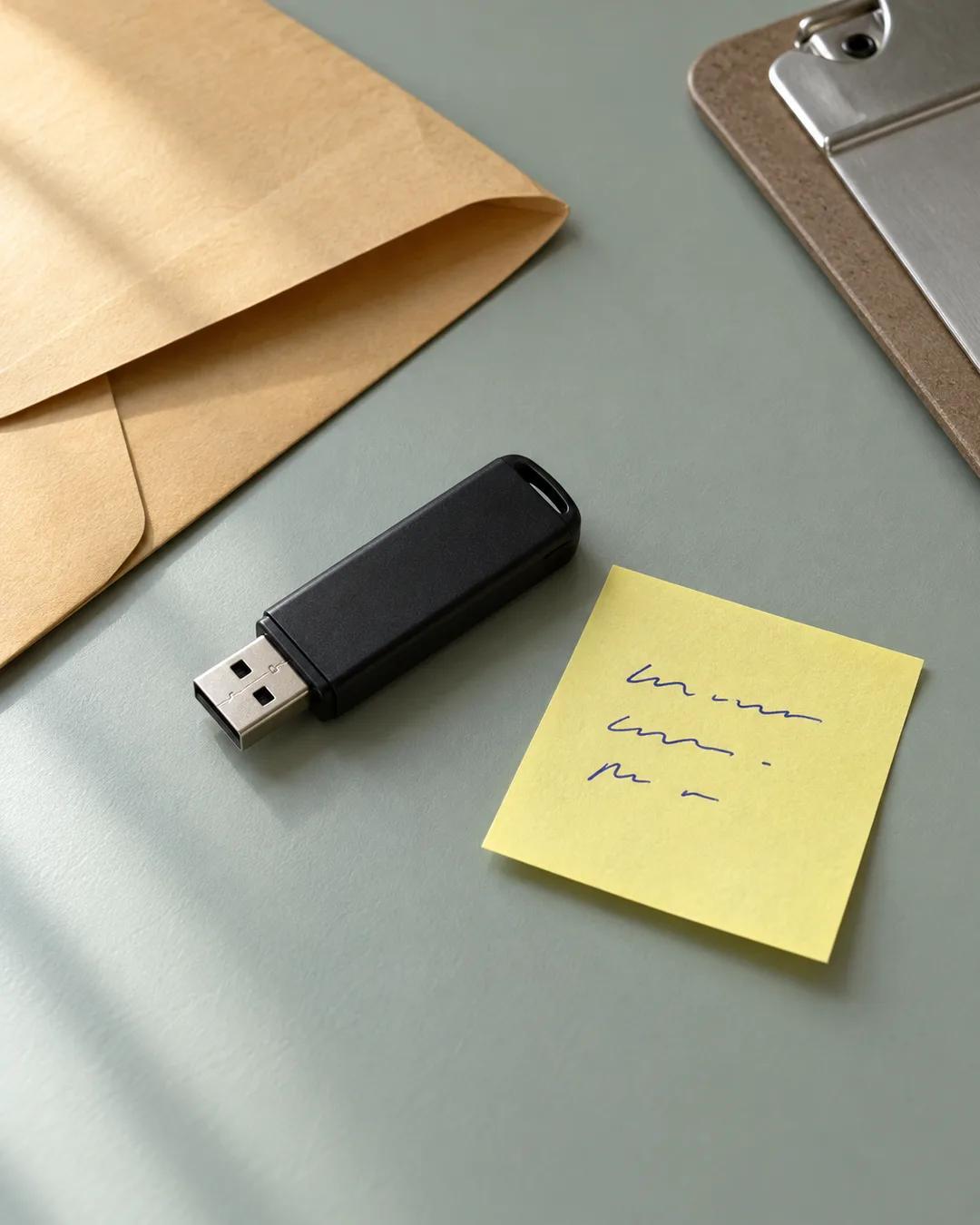
On Tuesday, three weeks before Election Day, the department delivered a flash drive with the names to Los Angeles County's top voting official and gave him 48 hours to investigate them or be sued. The drive's password came on a Post-it note with the delivery. County clerk Dean Logan told the department that the drive was not a secure way to share this kind of information and that the process it asked for would break other laws governing elections, including restrictions on voter purges close to Election Day.
The pushback
California's Democratic Secretary of State, Shirley Weber, replied that she would not disenfranchise thousands of people based solely on accusations she called unsupported and likely inaccurate. The federal government has not explained where the numbers come from. Election experts have questioned the list, since matching incomplete voter data with imperfect immigration data has produced many false positives.
What the suit asks
The suit asks a federal judge to segregate the vote-by-mail ballots tied to the people on the list, which have already gone out, so they can be investigated and not counted. The department said it seeks this relief to prevent unlawful dilution of American citizens' votes and to protect the integrity of elections.
Why can't states purge voters close to elections?
The National Voter Registration Act of 1993 requires states to finish any systematic program for removing ineligible voters at least 90 days before a federal election. The rule exists because a late purge leaves a wrongly removed voter little time to notice the mistake and fix the record.
Removals tied to an individual case, such as a death or a voter's own request, are not covered by the 90-day limit.
Why do voter-data matches flag real citizens?
Matching two databases usually depends on names, birth dates, and partial identifiers, and many different people share the same combination. Typos and outdated records add more mismatches.
Naturalized citizens are a common source of error, because an immigration record created before someone became a citizen can still show them as a noncitizen. In 2019, Texas officials flagged about 95,000 registered voters as possible noncitizens, and the list was later withdrawn after it was found to include naturalized citizens.
How does registration screen out noncitizens?
Federal law bars noncitizens from voting in federal elections. The federal registration form asks applicants to affirm their citizenship under penalty of perjury.
Under the Help America Vote Act of 2002, applicants must also provide a driver's license number or the last four digits of a Social Security number, which states check against government databases.