Korva is a scroll of the internet’s best ideas.
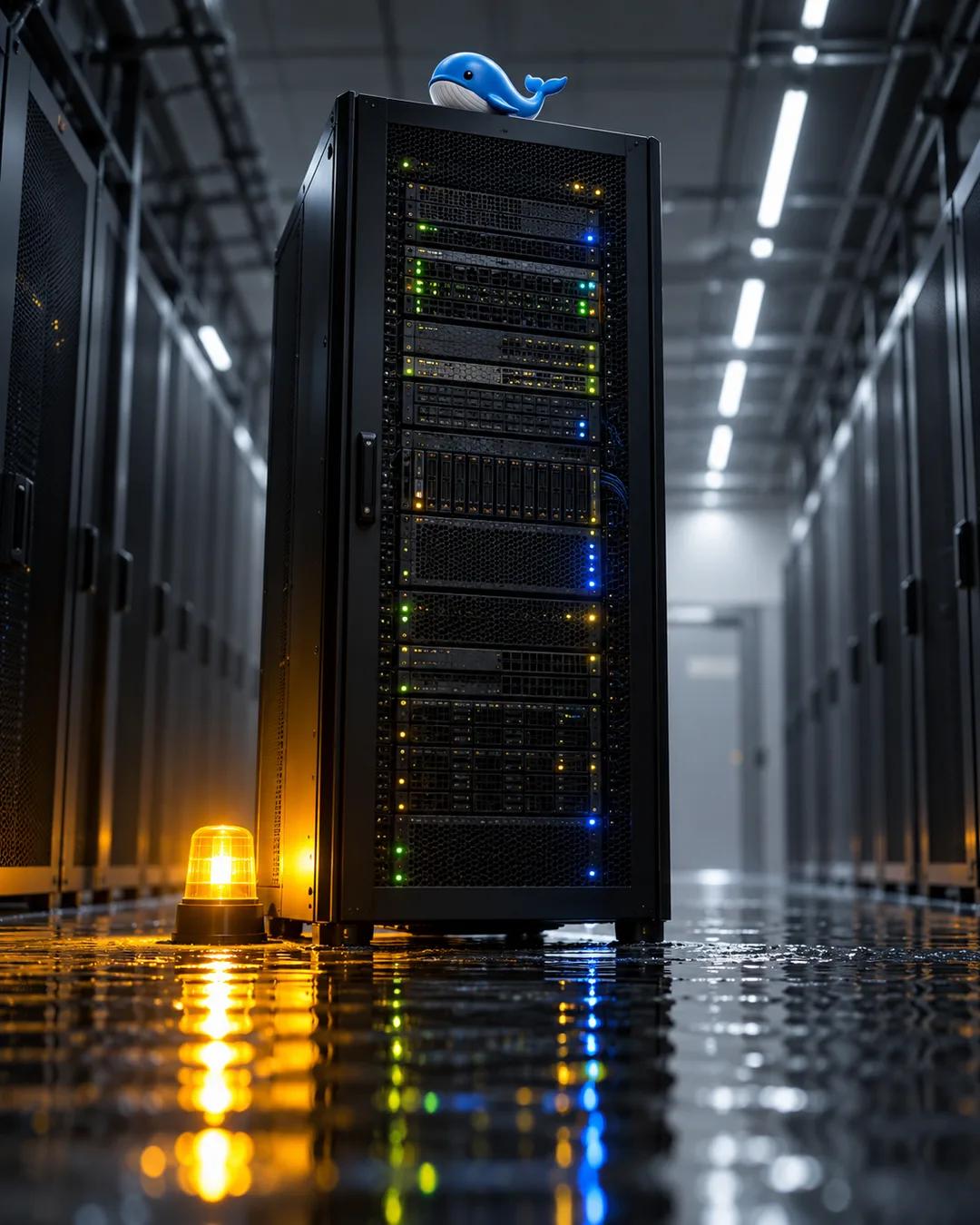
Don't become Twitter's fail whale

OpenSea had kept its team very small, and it was understaffed when traffic arrived. The search index was exploding, there were a couple of big outages, and keeping the site up was tough.
The team built out platform and infrastructure and did load testing so the site could sustain 10x load, even when it wasn't seeing that load. In crypto, traffic spikes depend on the content and the community, so nobody knows when one is coming.
The same habits carried over to OpenRouter, where AI companies, Anthropic especially, have seen unpredictable growth too.
Why did Twitter's fail whale become so famous?
The fail whale was the error picture Twitter showed when the service was over capacity, a whale lifted by birds, drawn by the illustrator Yiying Lu. It appeared often in the late 2000s as the service grew faster than its servers. The image became a symbol of a company struggling to keep up with sudden growth.
How does load testing prepare a site for spikes?
Load testing uses software to simulate thousands or millions of simultaneous users hitting a site. Engineers watch for the point where something gives out first, often a database, a cache, or a search index. They then fix that bottleneck and repeat the test at a higher load.
Why does a growing search index strain a marketplace?
Every new item, price change, listing, and sale has to be written into the index, so a busy marketplace produces constant write traffic. As the index outgrows a single machine's memory, queries slow down. Teams then split the index across more machines, a technique called sharding.
More from 20VC with Harry Stebbings