Korva is a scroll of the internet’s best ideas.

Don't overthink your career path
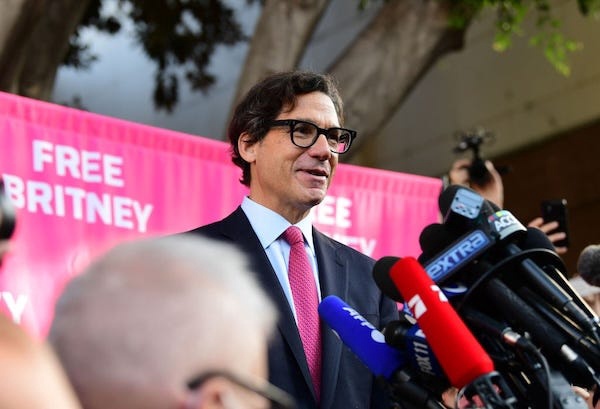
Students and young lawyers often ask how to get from where they are to where a successful lawyer stands. The advice is to stop overthinking it. Mathew Rosengart started as a federal prosecutor in Washington, D.C., and now practices at a big firm in Los Angeles, in the space where he happened to land, with no game plan other than trying to be excellent.
At Harvard, his message to students was that their education and the diploma on their wall give them a running head start on peers at schools like Boston College Law School, where he went. The qualities that make the big difference are grit, caring, passion, and preparation, and every lawyer needs them in addition to the technical skills, no matter where they went to law school.
Why do careers rarely follow a straight line?
Counseling psychologist John Krumboltz of Stanford and his colleagues argued in a 1999 paper that unplanned events shape many careers. They called the idea planned happenstance and said people do well when they stay curious and act on chance opportunities. The paper, by Kathleen Mitchell, Al Levin, and Krumboltz, appeared in the Journal of Counseling and Development.
How do acquaintances shape job outcomes?
In his 1974 book Getting a Job, sociologist Mark Granovetter reported a survey of professional, technical, and managerial workers in Newton, Massachusetts. Many of those who changed jobs heard about them through contacts they saw only occasionally or rarely. His 1973 paper The Strength of Weak Ties argued that acquaintances link otherwise separate circles, so they carry information that close friends already share. It remains one of the most cited papers in sociology.