Korva is a scroll of the internet’s best ideas.

Dots can replace chain of thought
What chain of thought is
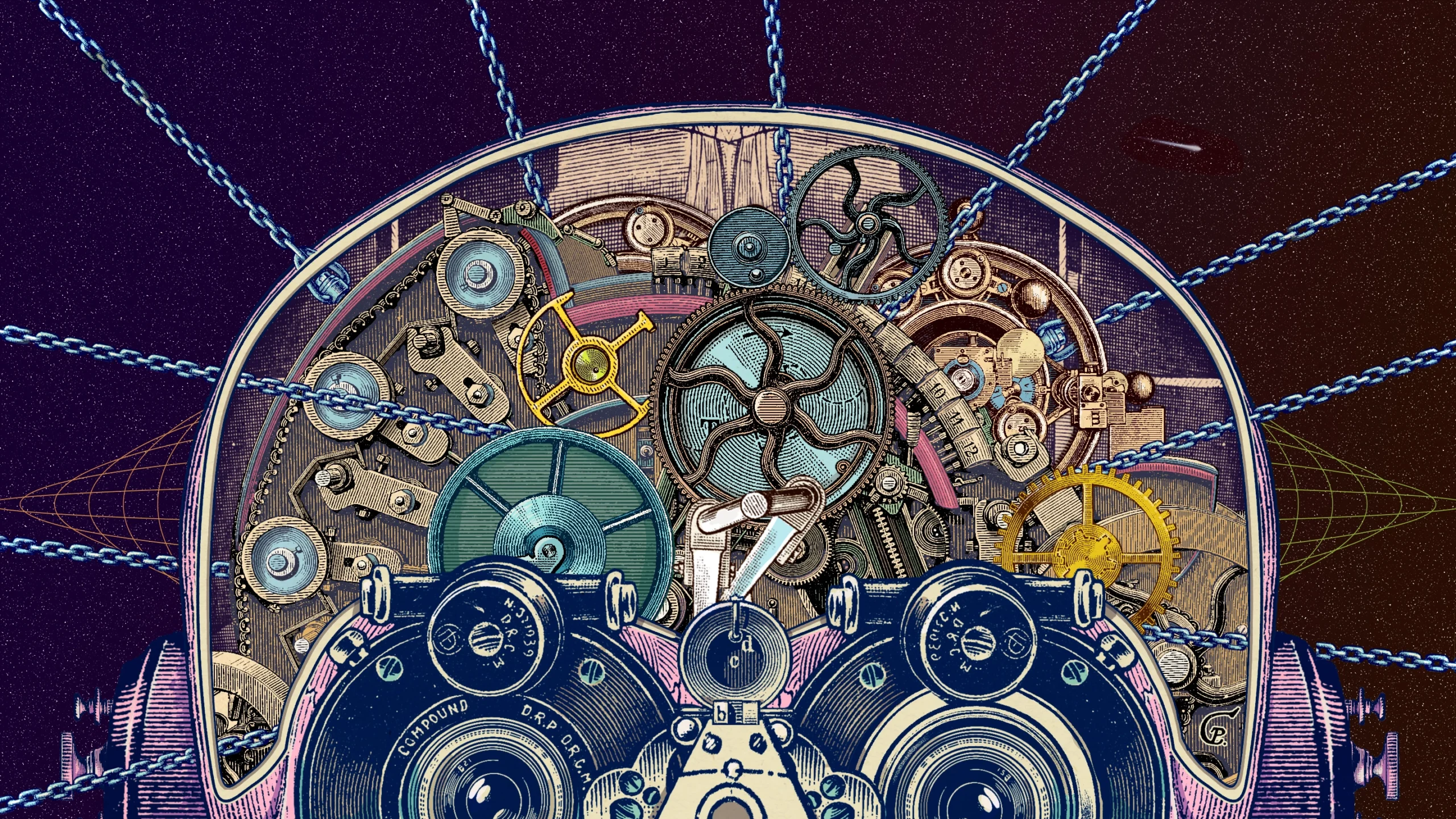
Reasoning models are language models trained to write out a stream of text, called a chain of thought, before they answer a hard question. Because the extra text reads like reasoning, it looks like a paper trail of the model's thought process.
Swapping out the steps
Experiments keep finding that the paper trail can be swapped out. A 2024 paper from New York University showed that meaningless filler tokens, literally strings of dots, could work effectively in place of a human-readable chain of thought. In 2025, a lab at Arizona State University replaced a model's correct reasoning traces with incorrect or irrelevant ones, and the model did no worse on a formal reasoning task.
Even a model trained only on correct traces sometimes produced invalid records of its reasoning while arriving at a correct solution. A 2025 study from Northeastern University and the University of California, Berkeley, looked at frontier open-source reasoning models and found that between 30 and 60 percent of their thinking steps had minimal causal impact on the answers to benchmark math questions. Cutting half of them out barely hurts performance.
Why training allows it
Nothing in the training guarantees that a chain of thought has to be meaningful in any sense. Reinforcement learning, a typical training method for these models, may not even encourage them to produce faithful chains of thought in the first place.
Why would extra text help a model at all?
A language model produces its answer one token at a time, and each token takes a fixed amount of computation. Letting it write extra tokens before the answer gives it more steps of computation to work with. In 2022, researchers at Google reported that prompting large models to write out intermediate steps lifted their scores on grade-school math word problems. The paper called the technique chain-of-thought prompting.
How can meaningless dots carry any value?
Every token position, including a dot, passes through all of the network's layers, and later positions can read what earlier ones computed. A string of dots therefore buys extra rounds of computation without adding any meaning. The New York University researchers behind the 2024 dots paper trained their models on the filler tokens rather than simply adding them at test time. They tested the idea on tasks where many small pieces can be worked out side by side.
Why wouldn't training reward honest reasoning text?
Reinforcement learning hands out reward based on the outcome, such as whether the final answer is correct. Nothing in that signal checks whether the text before the answer describes what the network actually computed. Any text that tends to end in a rewarded answer gets reinforced, honest or not. In 2025, Anthropic researchers reported that reasoning models often left out a hint they had used to reach their answers.
More from John Pavlus