Korva is a scroll of the internet’s best ideas.
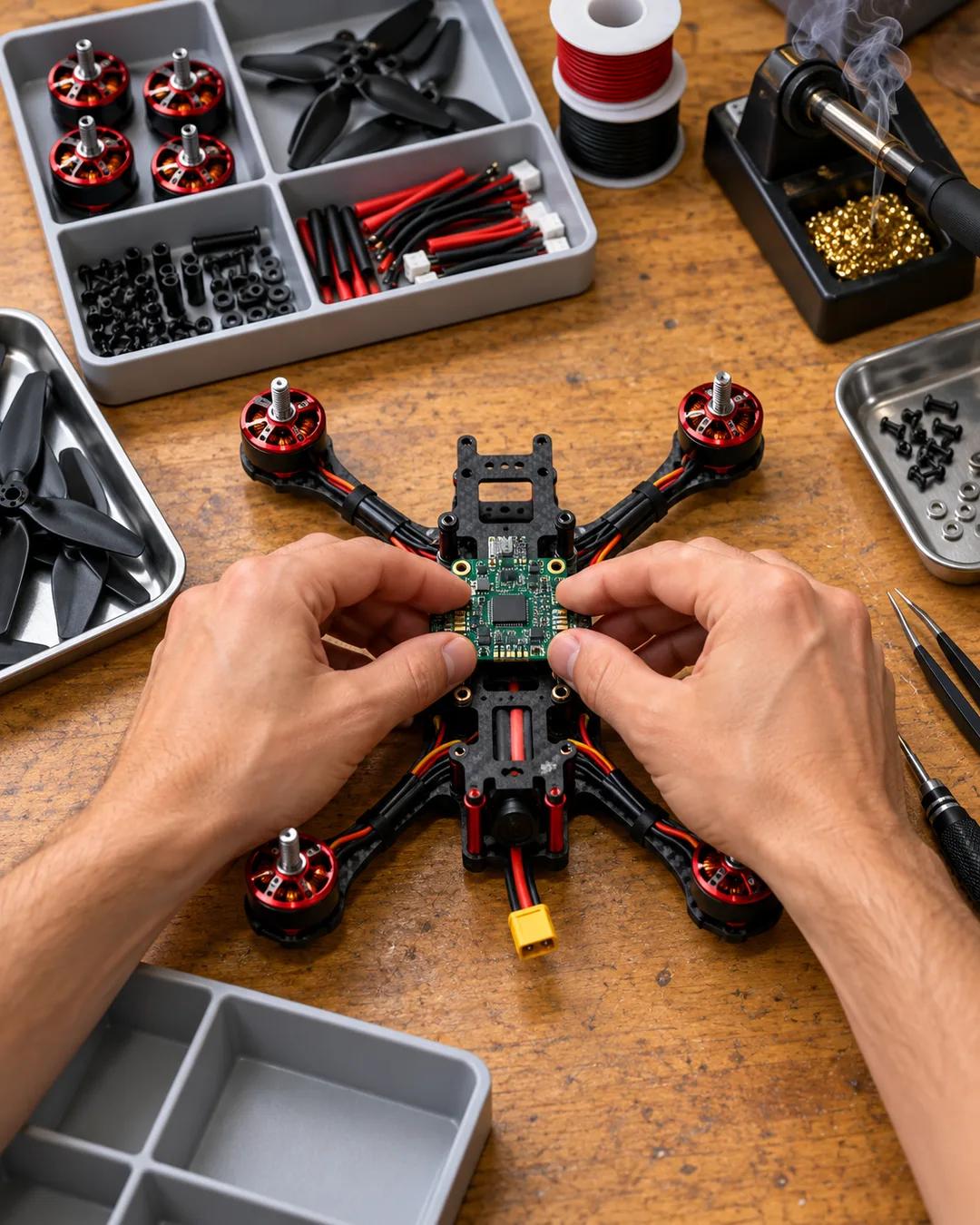
Drones with no Chinese parts

Consumer-grade drones proved their value in Ukraine, and they could play a huge role in Taiwan too, even in the first critical phase of pushing back an amphibious invasion.
Being an island is the one geographic disadvantage. From the first day of an invasion, and possibly before, external supply lines would essentially cease to exist. Over the past two years Taiwan has invested heavily in building a domestic drone manufacturing industry, and it applies the word domestic to the fullest.
The condition is hard to meet. About 80% of the drone industry is concentrated in mainland China, so keeping every component out of the supply chain is easier said than done.
Why did cheap drones matter so much in Ukraine?
From 2022 onward, Ukrainian units fitted off-the-shelf quadcopters to spot for artillery and to drop small munitions. First-person-view drones that cost a few hundred dollars were then flown directly into vehicles worth far more. Because the parts were consumer electronics, both sides could build them in volume.
Why is the drone supply chain so concentrated in China?
Drones depend on batteries, motors, cameras, and flight controllers, and the factories that make them are clustered in and around Shenzhen. A buyer can find nearly every part within a short distance, which keeps prices low and lets designs change quickly. The Huaqiangbei electronics market in Shenzhen is known worldwide for selling components by the piece.
Why would supply lines vanish for an island?
An island depends on ships and aircraft for anything it does not make itself. Taiwan imports the large majority of its energy, according to its government energy statistics, and nearly all of it arrives by tanker. A blockade or invasion puts those ships at risk, so domestic factories become the only dependable source of spare parts.