Korva is a scroll of the internet’s best ideas.
Dropbox rebuilt because consumers wouldn't pay

Dropbox rebuilds for companies
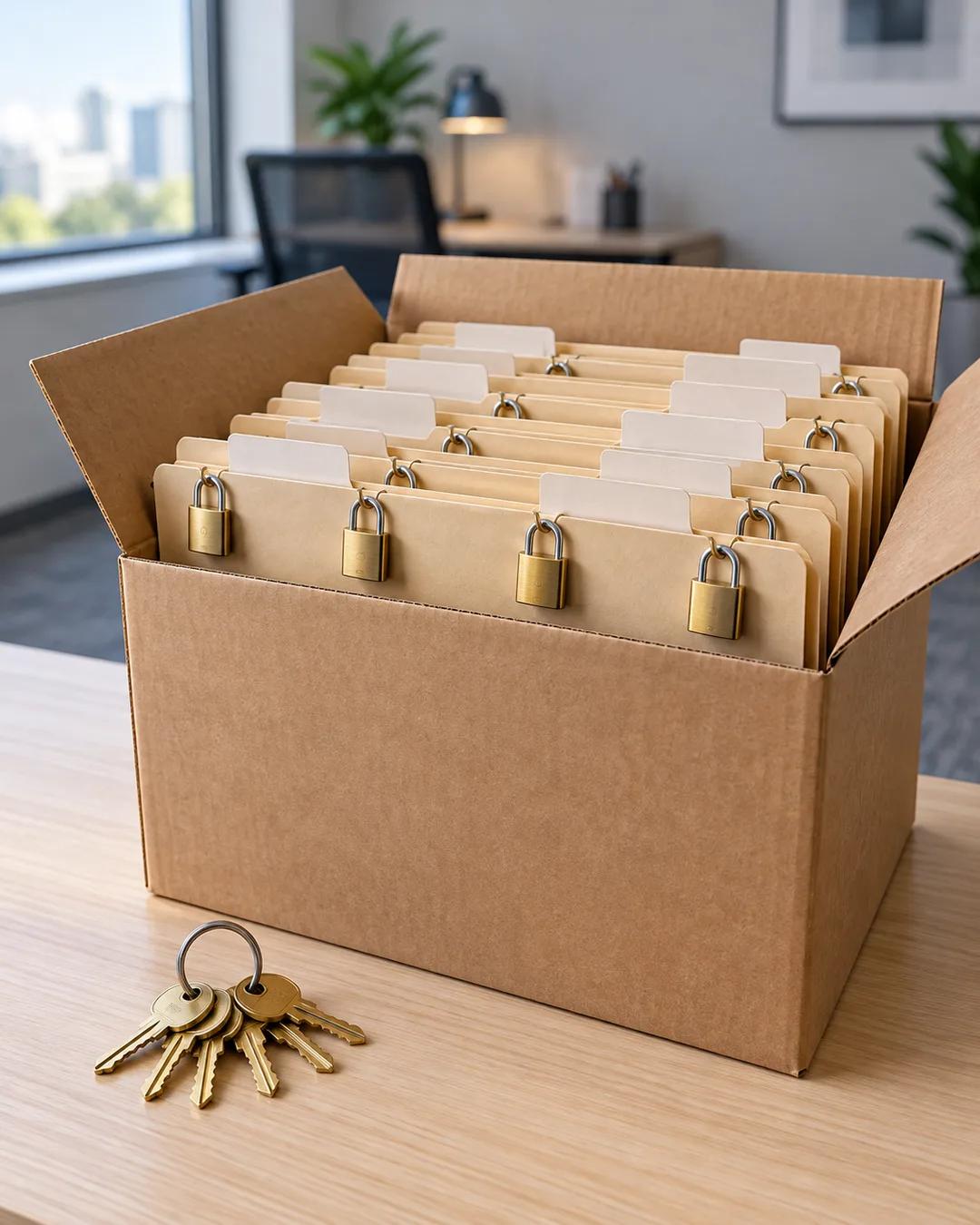
Apple was interested in acquiring Dropbox, and it later built its own file sync as iCloud Drive. Dropbox grew very fast and then hit a two-year lull. Not enough consumers were going to pay for it, so the team rebuilt the app from the bottom up for companies. Enterprises needed permissions, controls, and someone else able to set all of that, and the original app had not been created for any of it.
Why companies pay
Companies pay because they pay employees, and a product that makes those employees more productive earns a greater return. A consumer is the inverse: after a full day of work, the last thing they want at home is to be more productive, and they would rather sit on the couch and watch reels. Silicon Valley has to relearn about every 10 years that consumers do not want to pay for software and do not care about being productive.
OpenAI replays the story
OpenAI replayed the Dropbox story on a much larger scale by selling subscriptions to consumers. It sold a lot, but not enough, and it has since moved into advertising. With ads, the advertiser bears the price increase, so there are no elasticity issues. A subscription like Netflix's raises the question of how far prices can rise before people rebel and cancel.
Why will companies pay for software consumers won't?
A company buys software as part of the cost of employing people, and a tool that saves minutes per worker each day pays for itself against a salary. The buyer is a manager with a budget, and the purchase can be expensed as a business cost. A consumer pays from after-tax income with no payoff that shows up on a balance sheet.
What did companies need that Dropbox lacked?
Company administrators need to control which employees can see which folders, and to cut off access the day someone leaves. Compliance teams ask for audit logs that show who opened or shared a file. A consumer app is built around one person's account, so those controls have to be rebuilt around groups, roles, and an administrator.
How does advertising avoid price backlash?
Ads are sold in auctions, so the price rises whenever more advertisers compete for the same audience. The advertiser absorbs the increase and folds it into its own prices, while the person watching pays nothing and never sees a bill. Google and Meta both sell most of their advertising through auctions.
More from Invest Like the Best with Patrick O'Shaughnessy