Korva is a scroll of the internet’s best ideas.
Effort makes customers value things

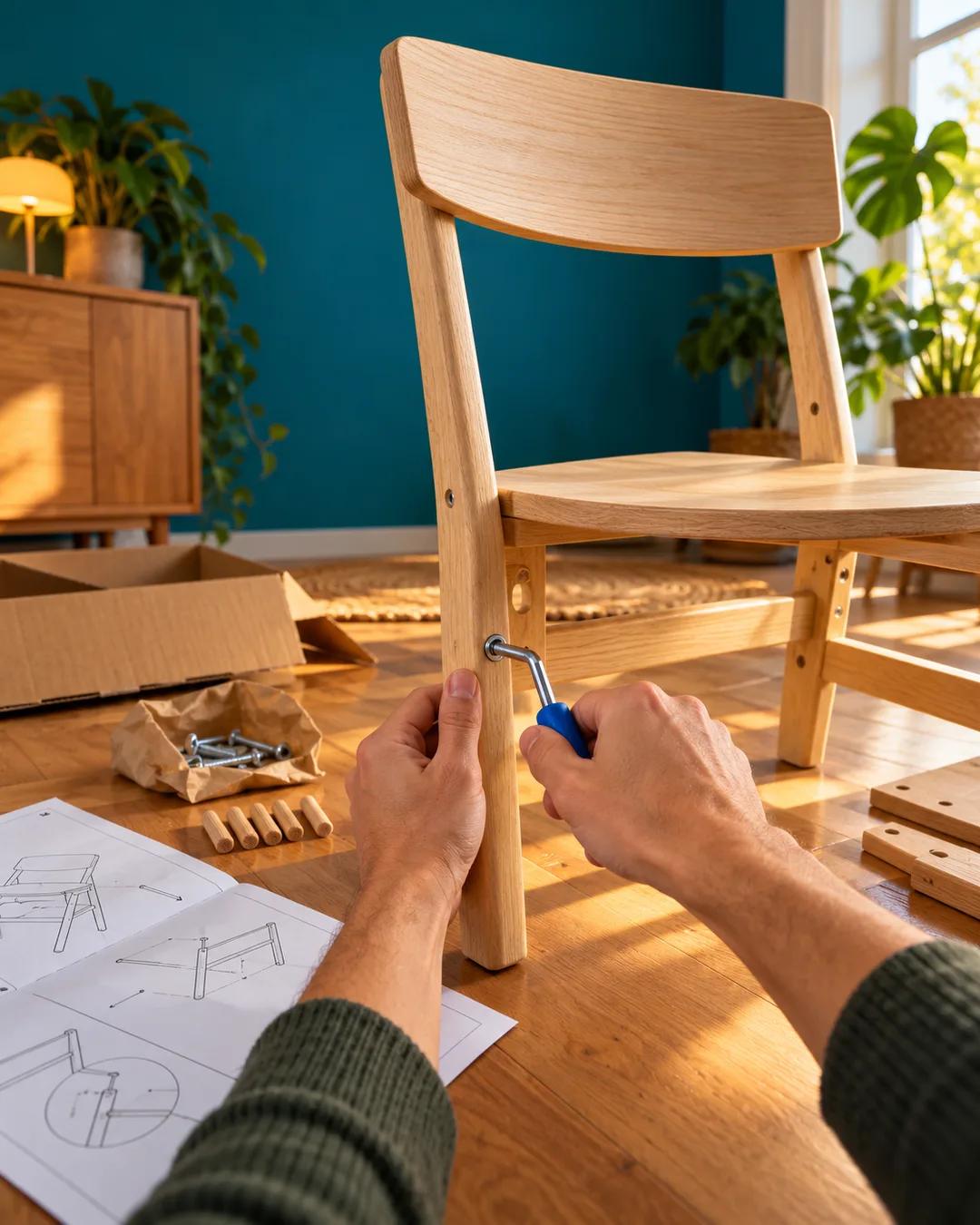
This is called the IKEA effect. Furniture that arrives in pieces turns each customer into the builder, and the customer ends up with a very strong sense of value toward what they built.
Applying it to a business takes three things. The task given to customers can't be too easy, it has to demand a certain degree of effort, and it has to be designed so customers can complete it successfully.
Behind it sits a broader principle: the perceived value of a product is directly proportional to how engaged its customers are. A brand that engages its customers builds a strong sense of brand value in their minds, and that sense of value can decide whether a company is ordinary or extraordinary.
How did researchers test the IKEA effect?
The effect was named in a study by Michael Norton, Daniel Mochon, and Dan Ariely, published in the Journal of Consumer Psychology. Participants built IKEA storage boxes and were then asked what they would pay for them. Their bids were about 63 percent higher than the bids of people evaluating identical boxes that someone else had built. The researchers found the same pattern with origami figures.
Why did unfinished projects lose the effect?
In the same research, participants who started building something but never completed it did not show the inflated valuation. The researchers also tested people whose finished creations were taken apart before they placed bids, and the premium disappeared. This pattern suggests that the sense of accomplishment drives the added value, not effort on its own. Earlier work on effort justification by Aronson and Mills had found that effort raises value only when it ends in something worth having.
Why do we overvalue things we own?
Ownership has its own pull, known as the endowment effect. In a well-known set of experiments by Daniel Kahneman, Jack Knetsch, and Richard Thaler, students who were given a coffee mug demanded roughly twice as much to sell it as other students were willing to pay for the same mug. The IKEA effect adds labor to this: people who build an item both own it and put work into it.