Korva is a scroll of the internet’s best ideas.
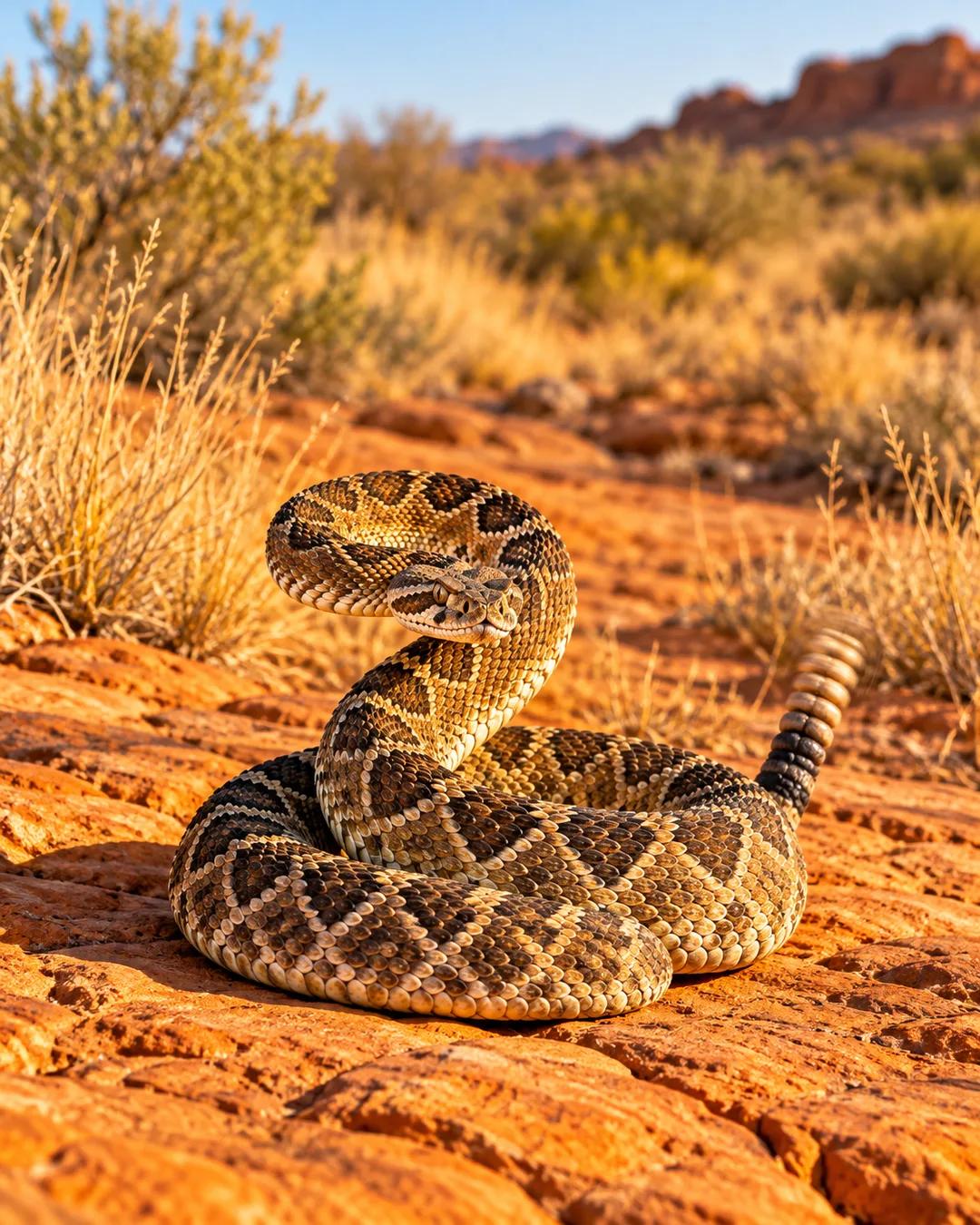
Emotions scale, reflexes don't

Between reflex and plan
Emotions are best understood by what they do. They control behavior against challenges that call for something more flexible than a reflex and less deliberate than planning. A hand yanked off a hot stove is rigid, right for exactly one circumstance. No single reflex could cover a bear far away, a bear up close, a rattlesnake, and a tiger, so an intermediate system handles them.
Priority, scale, persistence
Several features set emotions apart. Priority: they interrupt whatever a person is doing, which is why the mind has to keep monitoring for the bear. Scalability: fear moves from anxious monitoring to running or hiding to panic as the threat nears, while a reflex either fires or it does not. Temporal persistence: the internal state of fear or aggression lasts well beyond the short bout of running or attacking.
Why the state lingers
That persistence lets the animal fold a stream of incoming information into one motivational state suited to the challenge. A pulled-back hand ends the matter, but the bear might still be lurking in the forest, so the fear stays.
Why does an emotion linger after danger passes?
In a 2015 study in the journal eLife, David Anderson's lab at Caltech and colleagues activated a small set of neurons called P1 in male fruit flies. The flies became more aggressive, and the heightened aggression continued after the stimulation ended. Anderson's group described this as a persistent internal state. Related work in mice has shown similar lingering states tied to the hypothalamus.
How does a reflex differ in its circuitry?
The knee-jerk reflex is a classic example of a direct loop. A sensory neuron from the stretched tendon connects straight to a motor neuron in the spinal cord, which triggers the leg muscle with no input from the brain. Because so few connections are involved, the response takes only a few tens of milliseconds. The brain can modulate it, but the basic loop works even in the spinal cord alone.
How do animals choose between freezing and fleeing?
Psychologists Michael Fanselow and Lauren Lester proposed in 1988 that defensive behavior shifts as a threat gets closer, a framework known as predatory imminence. When a predator is possible but absent, an animal forages cautiously. When one is detected at a distance, it freezes. When contact is imminent, it flees or attacks. Rats in their experiments showed this sequence of behaviors.
More from Huberman Lab