Korva is a scroll of the internet’s best ideas.
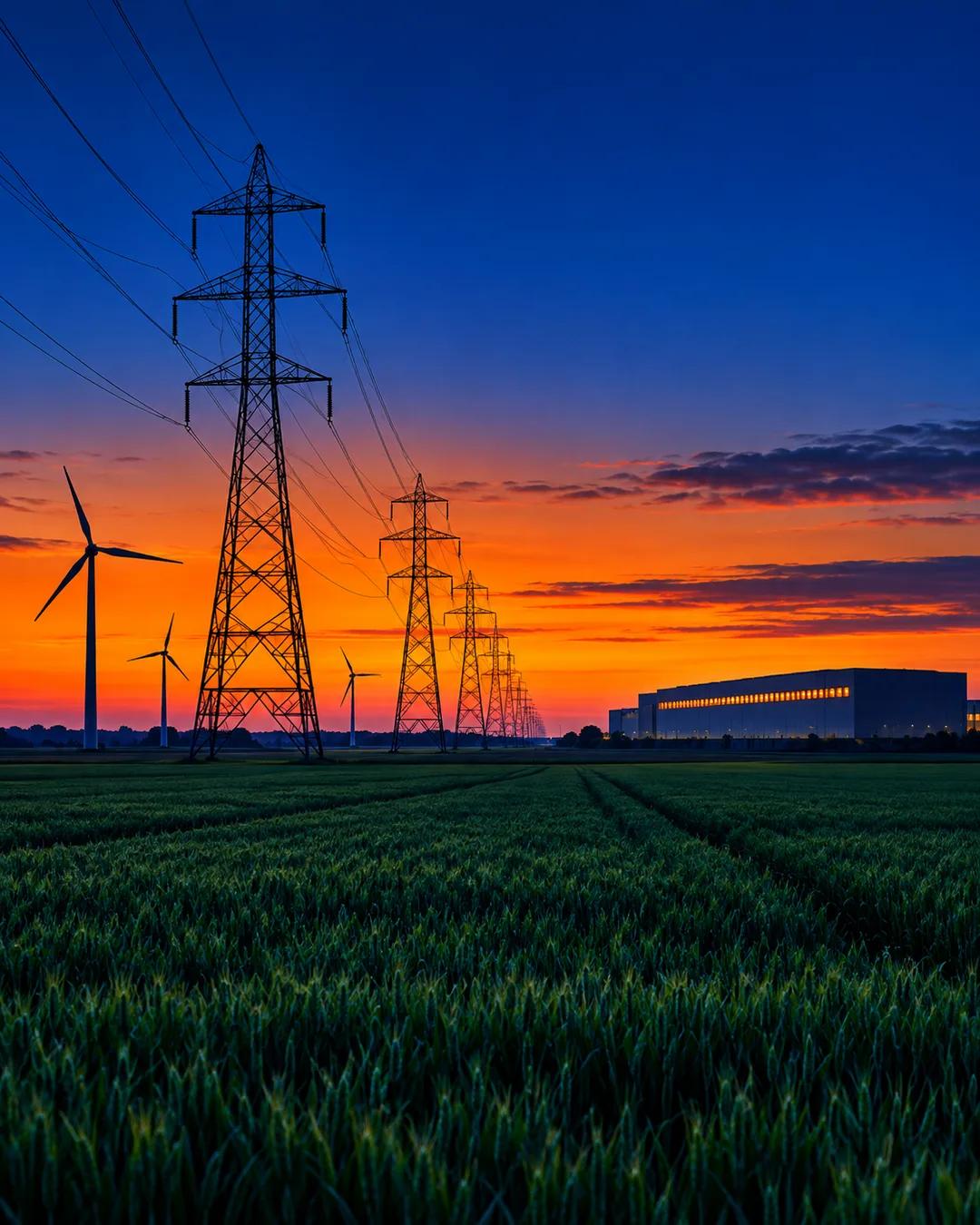

Energy capacity around the world is expanding by 4 or 5%, while the United States spent a decade at 1%. The US energy grid was neglected for about a decade and a half, and it is now being built out.
The potential value of a token is enormous. If a token is a measure of intelligence, its incremental value is somewhat infinite: more intelligence means better supply chains, better finance, and more efficient logistics, and developed countries facing labor shortages stand to gain from it. That supports a build-out that lasts a couple of decades.
Periodic corrections fit along the way. They keep earnings multiples in reasonable territory and stop a bubble from getting ahead of itself, because the path will not be a smooth curve. The SaaS apocalypse has already happened, and more industries will be disrupted as the new capabilities spread.
Why did US energy demand stay flat for so long?
US electricity use was roughly flat from about 2007 through the early 2020s, according to the US Energy Information Administration. Appliances, lighting, and motors became more efficient, which offset the growth in population and the economy. Manufacturing also moved overseas, so less industrial demand came from domestic factories. A flat demand curve gave utilities little reason to build new capacity or lines.
How much power does AI hardware draw?
Nvidia lists its H100 data center GPU at up to 700 watts per chip. A server holds eight of them, and a data center holds thousands of servers. Every watt consumed becomes heat, so cooling systems draw a large share of power as well. Operators therefore size their sites by megawatts available before choosing chips.
What did past bubbles leave behind?
The dot-com bubble peaked in March 2000, and the Nasdaq Composite then fell about 78 percent by October 2002. Telecom companies in the 1990s laid far more fiber-optic cable than demand required, and much of it went unused for years. That surplus capacity was later put to use as internet traffic grew. Railroads in the nineteenth century followed a similar pattern of overbuilding followed by long-term use.
More from All-In with Chamath, Jason, Sacks & Friedberg