Korva is a scroll of the internet’s best ideas.
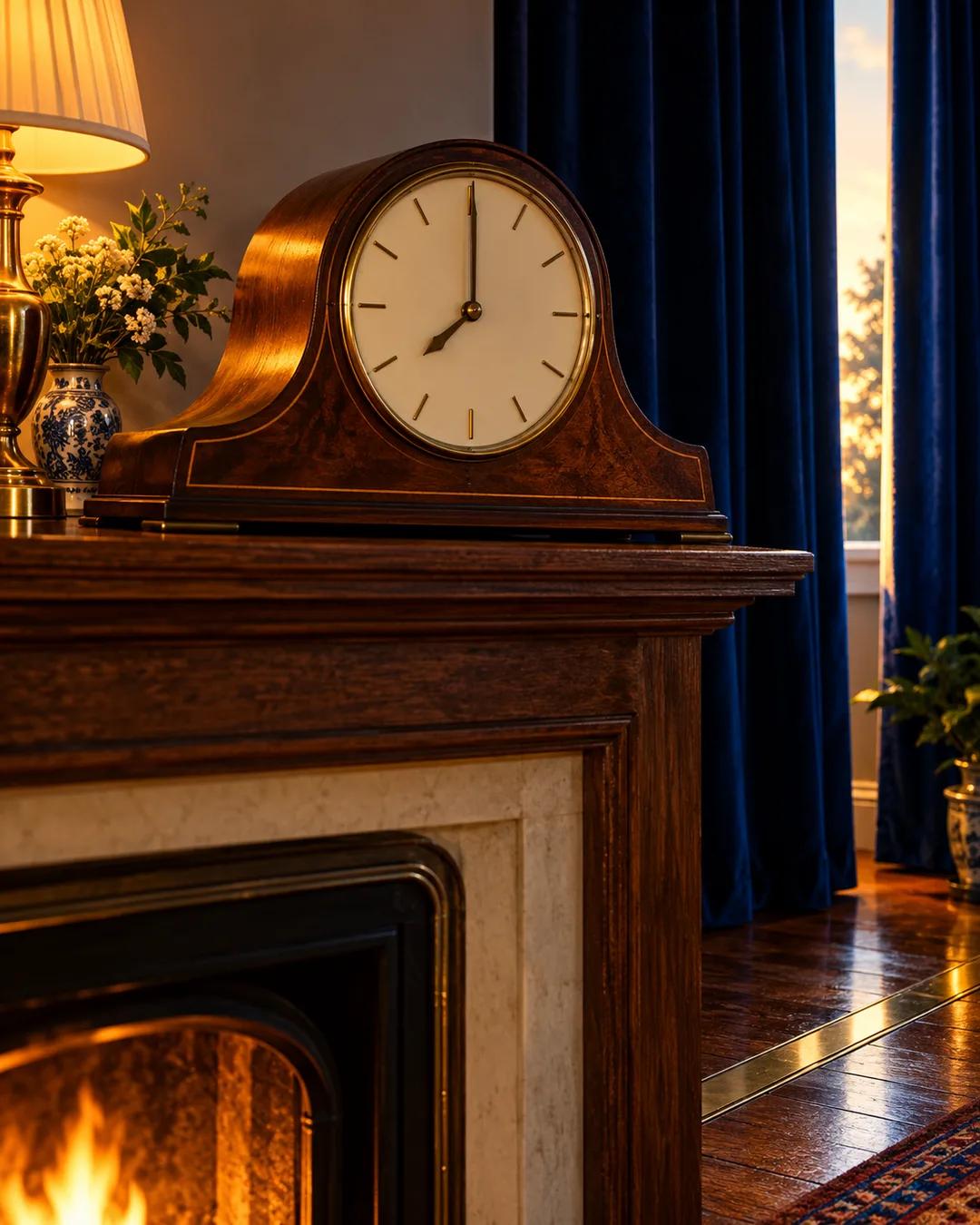
England once ran two hours ahead

Wartime Double Time
The country moved completely onto British Summer Time and then added an extra hour. A program calculating how long ago something happened in those years has to know about it.
Clocks Back Early
Daylight saving gives programmers trouble in other ways too. In autumn, England shifts its clocks back a week earlier than other countries, so a program that assumes everyone changes together ends up an hour out for a week.
Opposite Hemispheres
The southern hemisphere runs the opposite way: there, the clocks do not shift back in the autumn but forward, and spring starts in November. Every country shifts to daylight saving on its own day, and the programmer who has to track them all ends up copying in a long file of dates.
Why did Britain adopt double summer time?
British Double Summer Time ran in the summers from 1941 to 1945 and again in 1947. The government used it to gain evening daylight for wartime production and to reduce energy use. In winter the clocks stayed one hour ahead of Greenwich, and in summer they were two hours ahead. The measure also followed a longer wartime history of shifting the clocks to save fuel.
Who first introduced daylight saving?
Germany adopted daylight saving nationally in 1916 during the First World War, to save coal. Britain and many other countries followed within weeks. The idea had been floated earlier by George Hudson in New Zealand in 1895 and by the British builder William Willett in 1907. Most countries dropped it after the war and revived it later.
Why do the hemispheres shift clocks in opposite directions?
Summer in the southern hemisphere falls in December and January, so clocks go forward in the southern spring, around October or November. In the northern hemisphere the same forward shift happens around March. Countries near the equator, where day length barely changes, mostly skip daylight saving entirely. A program must therefore treat the direction of the shift as a property of each region.