Korva is a scroll of the internet’s best ideas.
Enzo acted like he didn't care

The Cold Shoulder
Wealthy Americans, the buyers who mattered most after the war, loved the cold shoulder of an artist creating racing cars in a small Italian town with no interest in mass-market cars. You were lucky to get one of his cars, and he could not have cared less about you. Enzo leaned into it, which is why many people still believe he only wanted to race and ran the car business just to pay for racing.
The Sunglasses
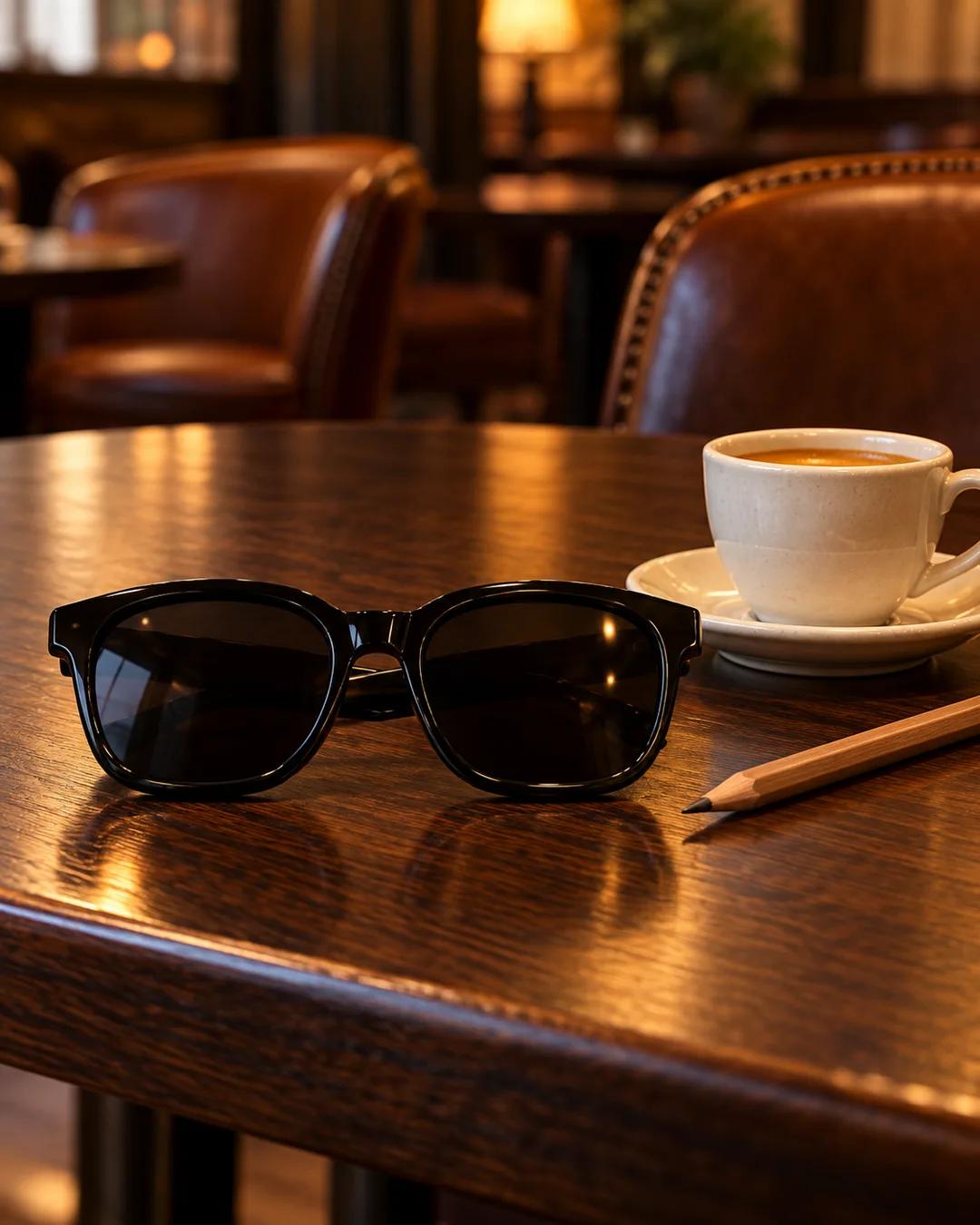
Even the dark sunglasses were an act. He wore them in public, in press interviews, and in meetings with clients, then took them off and put them on the table once everyone else left the room. He did not wear them all the time, only when crafting his image.
Late Adopter
He also chose to be a late adopter of technology. Other Formula 1 teams moved the engine behind the driver, while Enzo held that God put the horse in front of the carriage, so the engine belonged in front of the car. Talking about the old ways of doing things only helped build the Ferrari myth. Enzo was no engineer, and he was a marketer in the way Steve Jobs was.
How late was Ferrari to mid-engine cars?
Cooper won the 1959 and 1960 Formula 1 championships with the engine behind the driver. Ferrari's mid-engined 156 raced in 1961, and Phil Hill won the drivers' title in it. Ferrari unveiled its first mid-engined V12 road car, the 365 GT4 Berlinetta Boxer, in 1971.
Why did Enzo downplay aerodynamics?
Enzo is widely credited with remarking that aerodynamics are for people who cannot build engines. Ferrari's early reputation rested on its V12 engines, beginning with the 125 S of 1947. Rivals such as Lotus later showed that wings and ground effect could add more speed than extra power. Ferrari's engines remained the center of its identity throughout.
More from Acquired