Korva is a scroll of the internet’s best ideas.
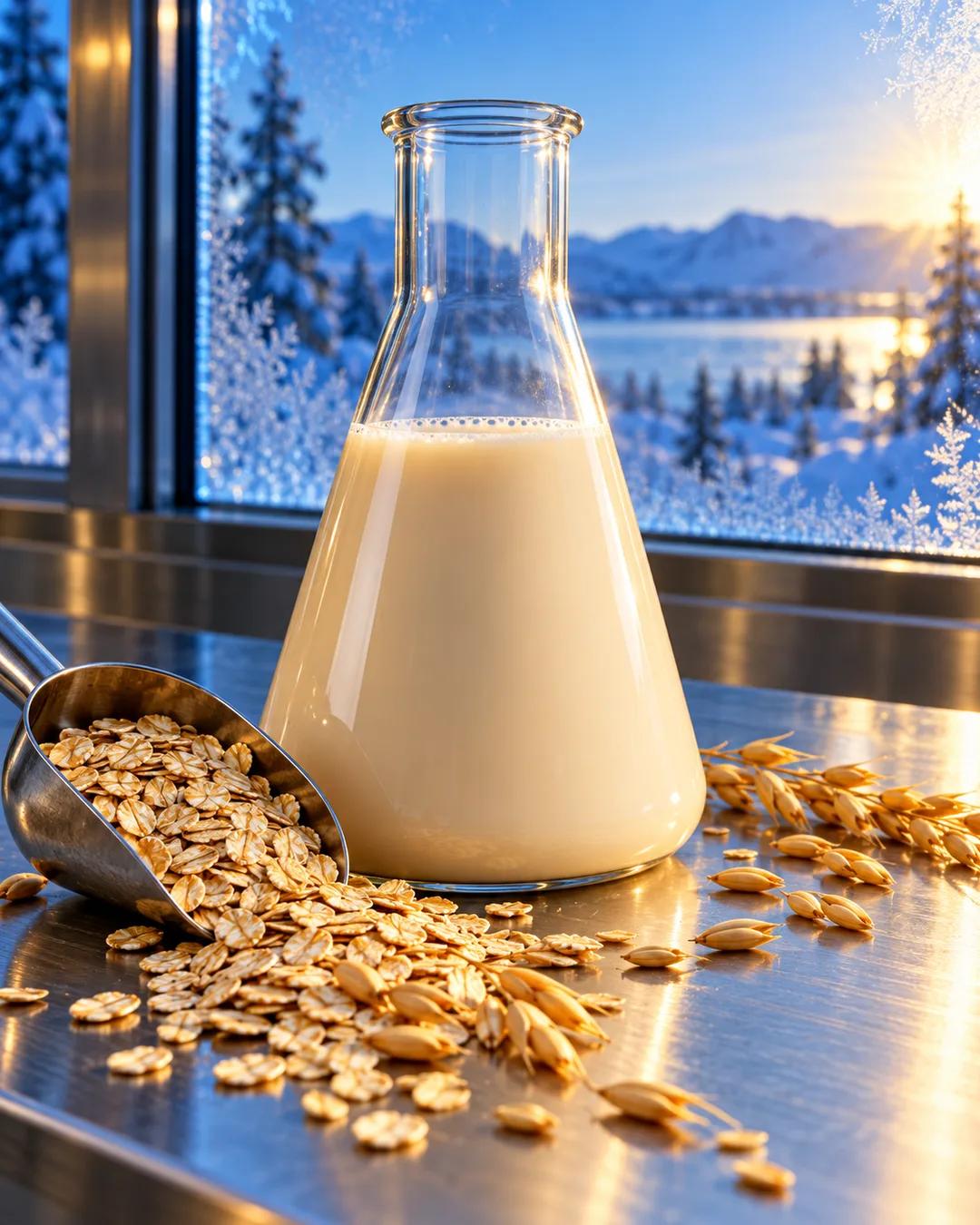
Enzymes turned oats into milk
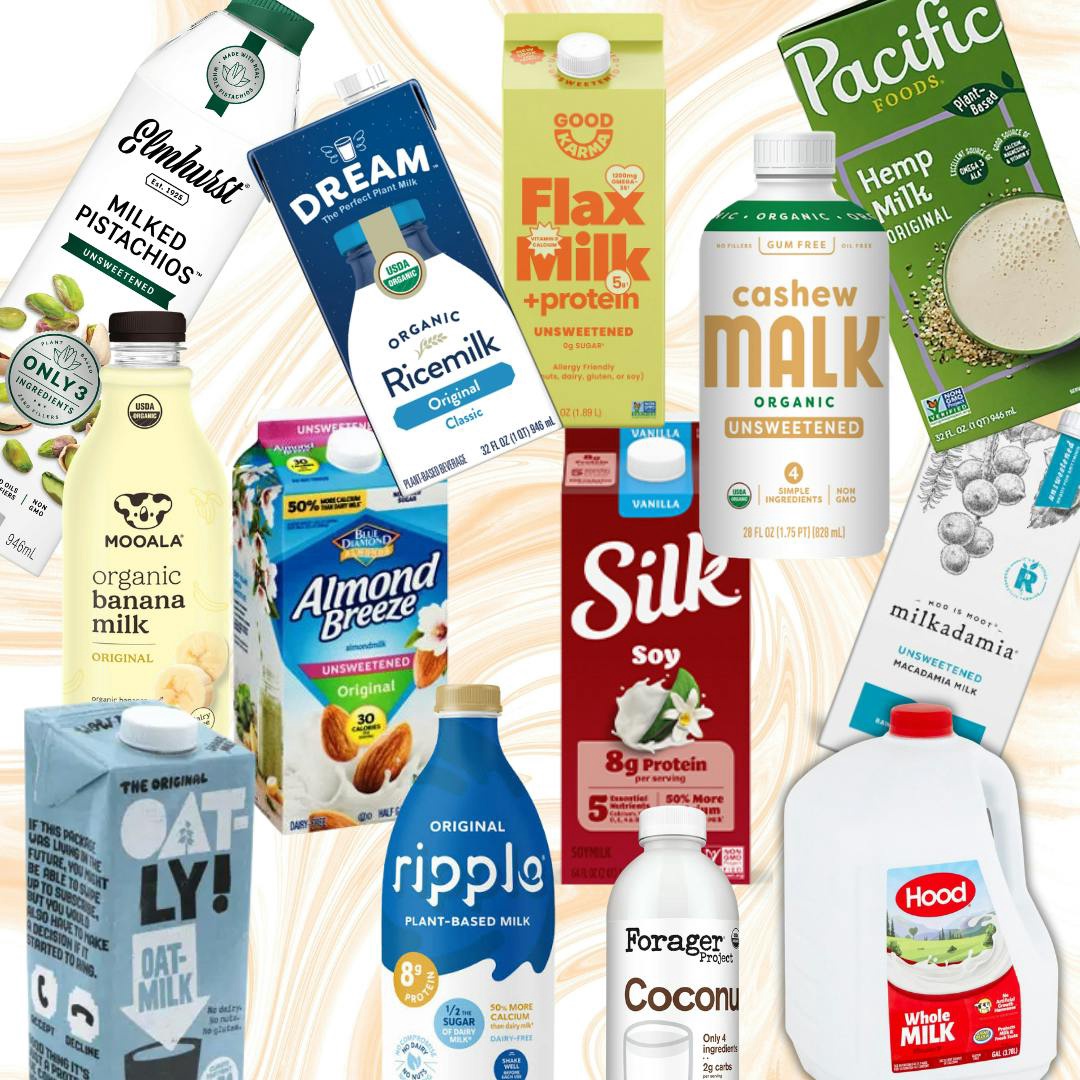
The search for a crop
The story began in Sweden in the 1990s. Scientist Rickard Öste ran a lab where he and his brother studied the intersection of the dairy industry and climate change, and he saw the massive environmental problem cows were causing. He went looking for a crop that could grow abundantly in cold weather, work as a cover crop, and use little water and land.
Nutrition came next, since cow's milk has a lot of protein and calcium, and then taste, meaning a neutral flavor that would work in cereal and coffee. The search ran across legumes, nuts, tree nuts, and grains like rice, and it settled on oats, which grow abundantly even in Sweden, where it is cold and dark for at least half the year and rains a lot.
Enzymes and the barista edition
The usual way of making oat milk, grinding oats, boiling them, and straining the mass, loses the fiber. Öste developed a process that uses enzymes to liquefy the oats entirely, and a second process to turn the result into a creamy drink.
The barista edition has a very specific amount of fat, balanced against foaming capability and tuned over weeks of trials with leading coffee baristas in Europe and then in the United States.
How do enzymes liquefy oats?
Ground oats mixed with water would normally swell into a thick porridge, because oat starch absorbs water and gels. Amylase enzymes cut that starch into shorter sugar chains, mostly maltose, which keeps the mixture fluid. Other enzymes can break down proteins and other components too, and the process stops when the mixture is heated enough to deactivate the enzymes. Maltose is roughly a third to half as sweet as table sugar, which is why oat milk tastes lightly sweet without added sugar.
Why does oat fiber get attention?
Oats are rich in beta-glucan, a soluble fiber that forms a thick gel in the gut. Beta-glucan has been studied for its effect on cholesterol, and in 1997 the US Food and Drug Administration authorized a heart disease claim for oat soluble fiber. Breaking oats down too far in processing can reduce the amount of beta-glucan left in the drink.
Why did cold climates favor oats?
Oats tolerate cool, wet summers and poor soils better than wheat does. For that reason they became a staple in Scotland, Scandinavia, and other northern places. They were also a common feed for horses. Samuel Johnson's 1755 dictionary defined oats as a grain eaten by horses in England and by people in Scotland.
More from Gastropod