Korva is a scroll of the internet’s best ideas.
Estonia gives every teen ChatGPT

The AI Leap
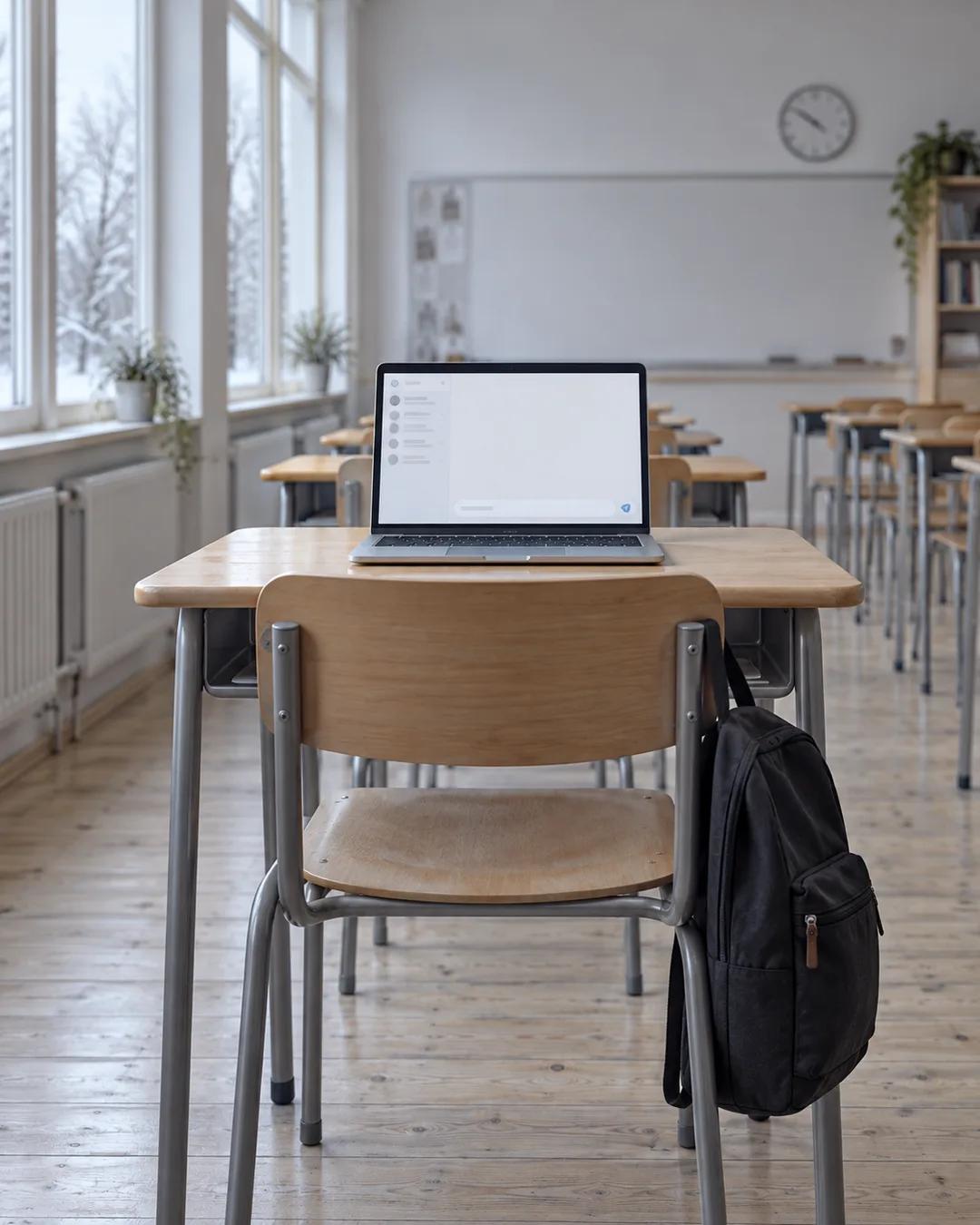
A survey in 2024 found that 90% of the country's high school students were already using generative AI for learning. Estonia figured that doing nothing was the worst choice of all, so it launched a national experiment called the AI Leap. The country partnered with OpenAI, and more recently Google, to give tens of thousands of high schoolers free chatbots.
The Tiger Leap legacy
The name echoes the Tiger Leap, the program Estonia started after it gained independence from the Soviet Union in the 1990s. That program put the internet in classrooms early and brought computer programming into schools from the first grade, and news shows of the day showed kids rushing toward computers. Estonians see themselves as a digital country, and the Tiger Leap is part of that founding legacy.
Choice at PERG
At Tallinn Pelgulinna State High School, known as PERG, no student has to use AI if they don't want to. The principal, Indrek Lillemägi, does some vibe coding himself, and he doesn't think the program pushes anyone to use AI more, because students already use it anyway.
How did Estonia become a digital country?
Estonia regained its independence in 1991 with an aging telephone network and little money, so it built new systems digitally instead of on paper. In 1996, the Tiger Leap program began connecting schools to computers and the internet. A law passed in 2000 gave digital signatures the same legal weight as handwritten ones, and chip-based national ID cards arrived in 2002. In 2003, a team of Estonian engineers released Skype.
How do Estonian government databases share data?
Estonia's data exchange layer, called X-Road, went live in 2001. Each agency keeps its own database, and requests between them travel encrypted, digitally signed, and time-stamped, so no single central database holds everything. A citizen's ID card ties each request to a verified person. Finland has since adopted the same software for its own national data exchange.
More from The Journal.