Korva is a scroll of the internet’s best ideas.
Every disaster fails twice

The technical failure
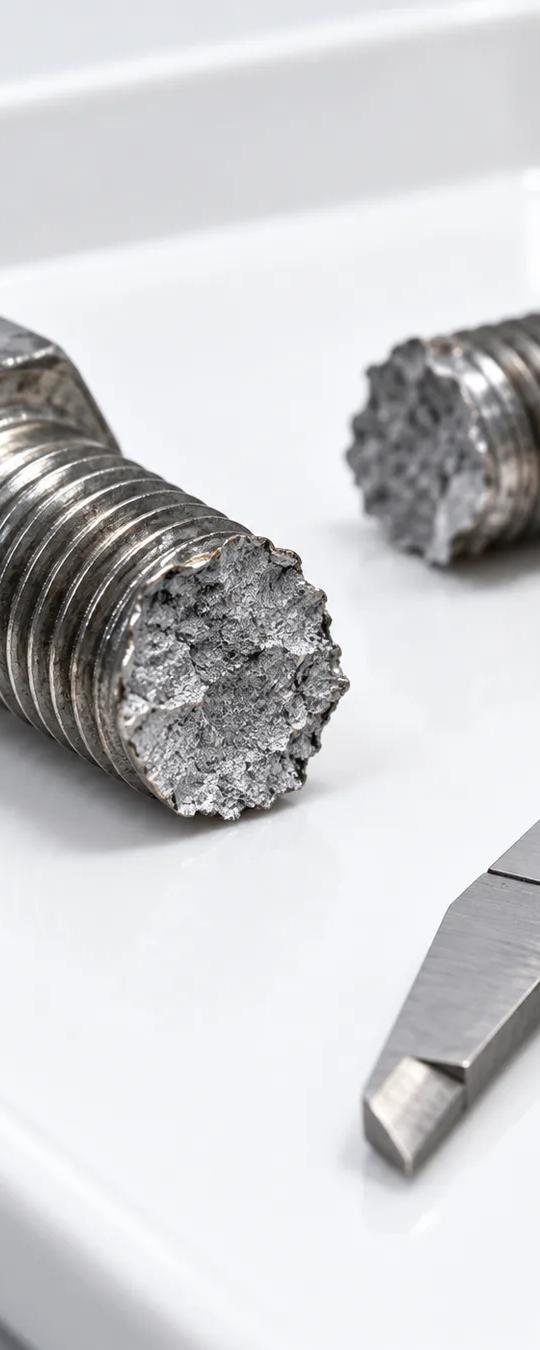
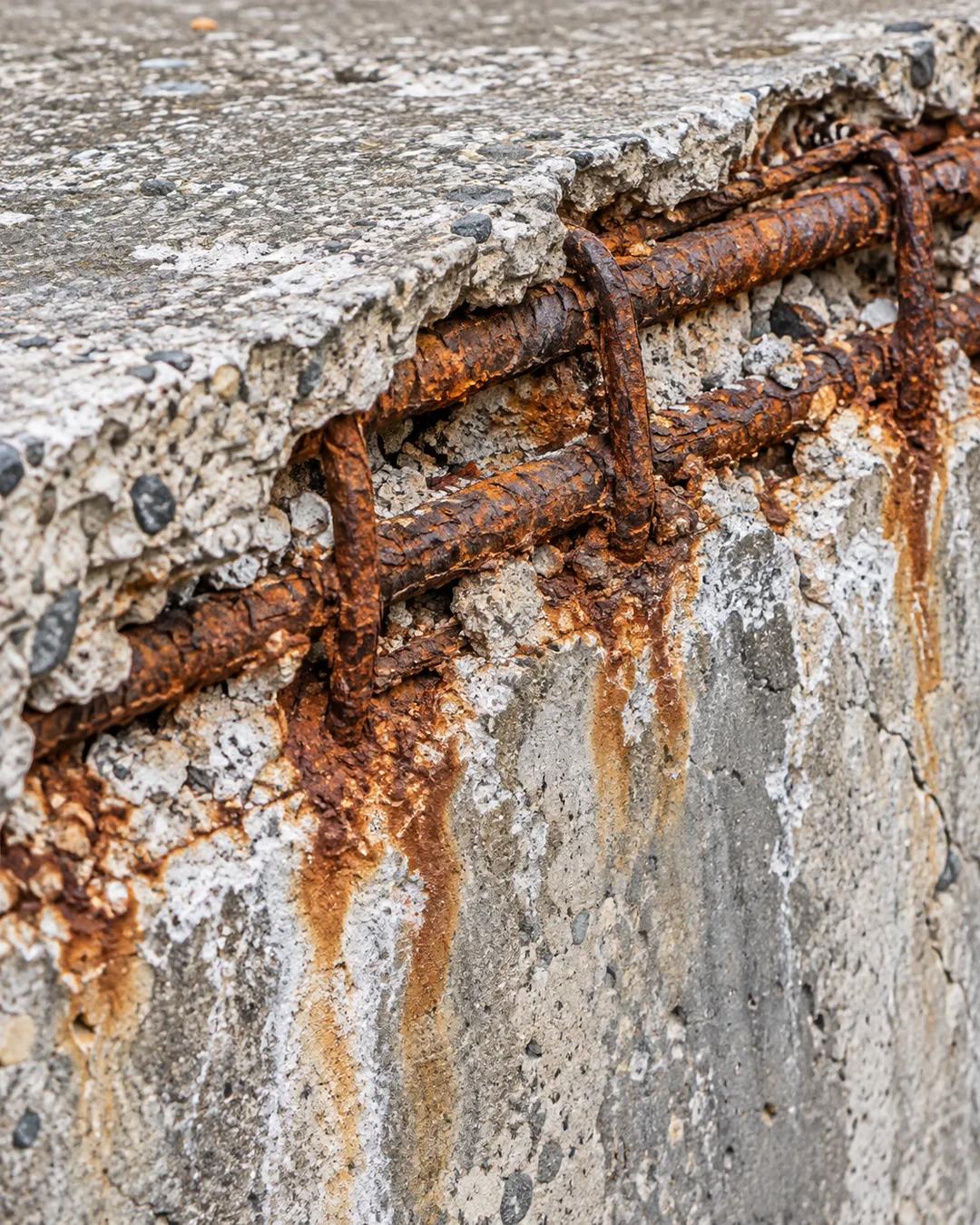
In June 2021, the Champlain Towers in Surfside, Florida, collapsed and killed 98 people. The technical failure was corrosion. The pool deck was exposed to saltwater air and corroded until it collapsed into the basement, which took out the structural columns and brought the building down.
The institutional failure
The institutional failure had three parts. The design had errors from the very beginning, the maintenance schedule was poor, and the condominium board did not listen to an inspection report that said it needed to take care of the problem.
The investigations
Several investigations ran in parallel. NIST, the federal agency assigned to investigate building collapses after 9/11, put two investigators on it for five years. A grand jury was convened in Florida, seventeen victim lawsuits were put under a single class, and the Miami Herald staffed up to thirty-seven people and won a Pulitzer Prize.
How does salty air corrode concrete buildings?
Concrete is porous, and chloride from sea spray and salty air slowly works its way in to the steel reinforcing bars inside. Chloride breaks down the thin protective layer on the steel and lets it rust. Rust takes up several times the volume of the steel it replaces, which cracks and pushes off the surrounding concrete. The cracks let in more moisture and chloride, and the damage speeds up.
Why does NIST investigate building collapses?
Congress passed the National Construction Safety Team Act in 2002, after the collapse of the World Trade Center towers. The law lets NIST, the National Institute of Standards and Technology, send teams to study major building failures. Its findings feed recommendations to model building codes and standards organizations.
How can one slab collapse bring down a building?
When a support fails, the load it carried shifts to neighboring parts, which may not be built to take it. If those fail too, the failure spreads in a chain called progressive collapse. Structural engineers now design many buildings so that one failed element will not bring down the rest. In 1968, a gas explosion in a single flat at Ronan Point, a London tower block, took out a corner of the building and prompted new British rules on resisting progressive collapse.
More from All-In with Chamath, Jason, Sacks & Friedberg