Korva is a scroll of the internet’s best ideas.
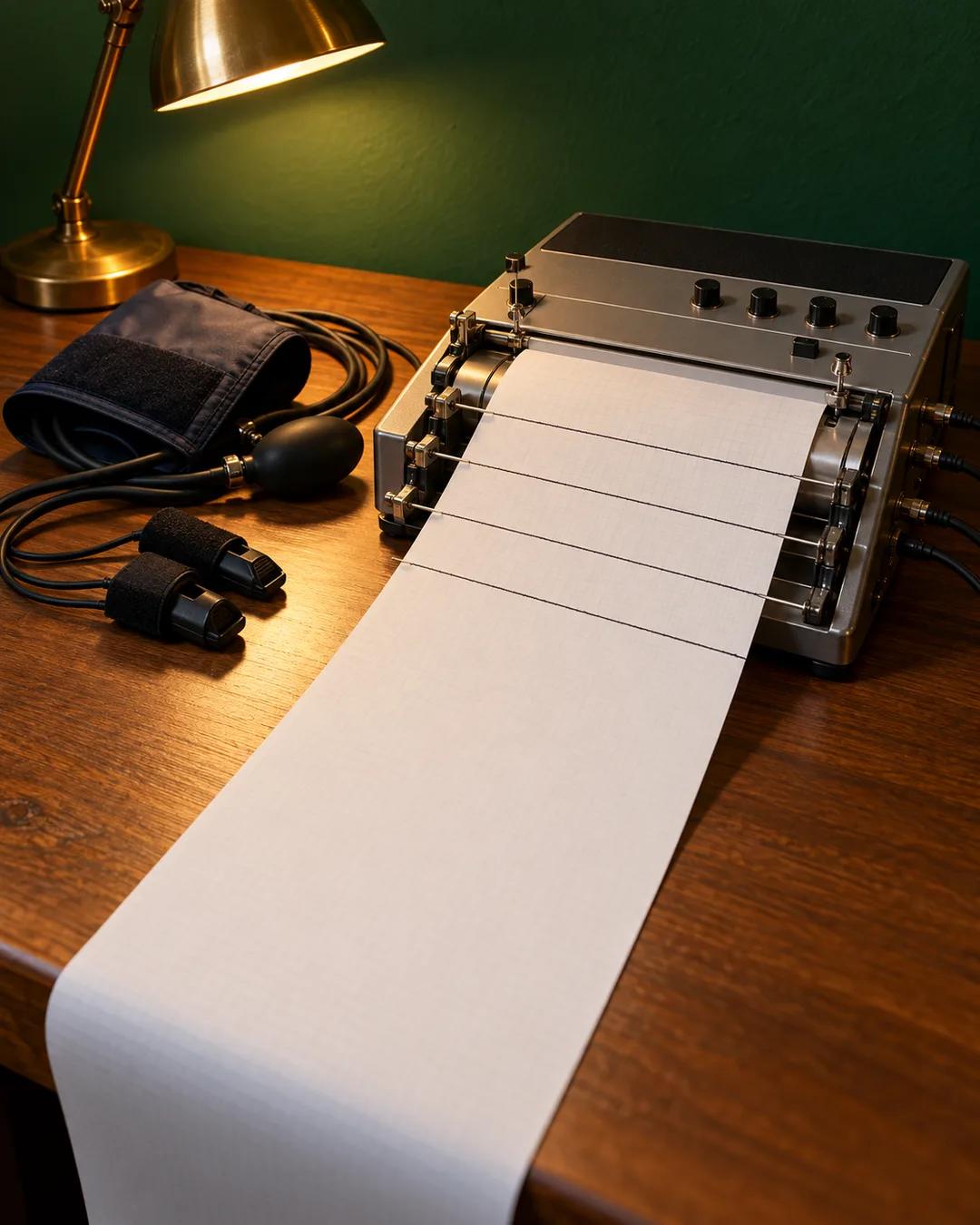
Every justice would pass a polygraph

Justices on consistency
Rulings on Biden's student loan debt forgiveness and on Trump's tariffs look inconsistent to people watching from outside, and it seems that partisan considerations must be at work. Talk to the justices and each one has a version of their reasoning in which they are entirely consistent. They really believe it.
Politicians compared
Politicians on the Hill are a different case. They will either admit they aren't being consistent or they would fail a polygraph on the question. They'll either tell you or they'll lie.
Subconscious leanings
Whether partisan leanings seep in subconsciously is a fair conversation. The justices themselves do not think that is the project they are engaged in.
How can a ruling be consistent yet look inconsistent?
Justices often explain outcomes through a named doctrine that they apply the same way across cases. In the 2023 student loan decision, Biden v. Nebraska, the court ruled six to three, with the majority relying on the major questions doctrine. That doctrine requires clear authorization from Congress before an agency claims power over matters of vast economic and political significance.
Why can't a polygraph show whether someone is honest?
A polygraph records heart rate, blood pressure, breathing, and skin conductance, on the theory that lying produces stress that shows up in those signals. A 2003 report from the National Research Council concluded that the evidence for polygraph accuracy was weak and that the technique is far from perfect. Anxious truthful people can register as deceptive, and practiced liars can stay calm. Federal courts have generally refused to admit polygraph results as evidence, and the Supreme Court upheld a military ban on them in United States v. Scheffer in 1998.
How do scholars test whether ideology drives justices?
Political scientists Jeffrey Segal and Harold Spaeth argued in a 1993 book that justices vote their policy preferences, a view called the attitudinal model. They tested it by comparing votes with ideological scores assigned to justices from sources such as newspaper editorials written when they were nominated. Scholars who favor a legal model reply that text and precedent constrain outcomes. Both camps still publish studies using voting data from decades of cases.
More from Original Jurisdiction