Korva is a scroll of the internet’s best ideas.
Everything moves slower than you think

The Slow Machinery
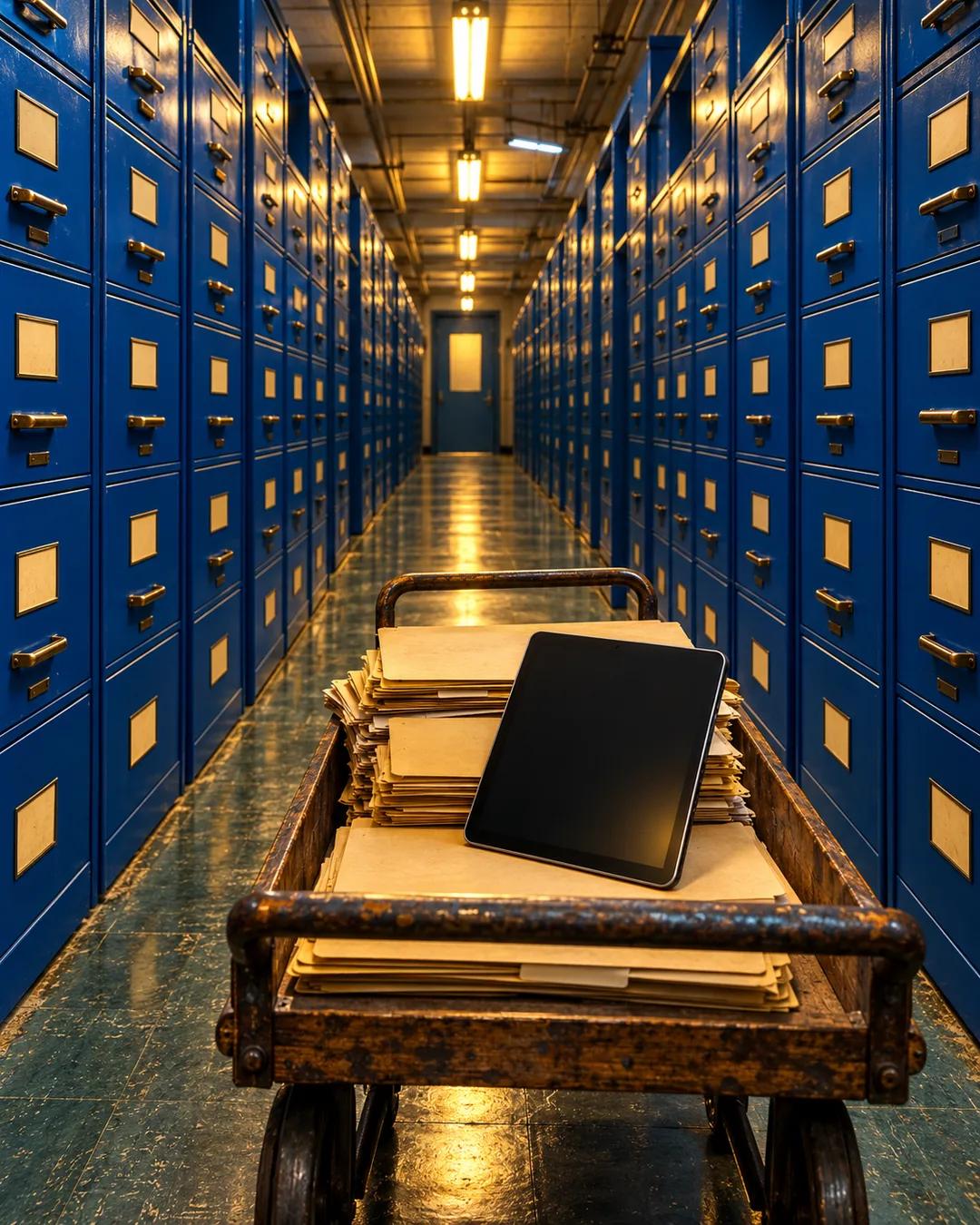
The loudest talk about AI predicts that all white collar jobs go away and a permanent underclass forms. Against that stands the bureaucracy, the slowness, and the seven plus or minus two things a person can hold in their head, in every company, every institution, and every organization. The humans, especially the middle managers, are the ones who will slow this down.
A Twenty-Year Clock
At YC's Startup School, 7,000 people came, most of them between 18 and 22 and all of them AI native, adults in the time of ChatGPT. Twenty years ago the people now running things were the ones native to the web and to mobile. Society ends up running on what that generation expected at 18 to 22, which puts the timeline at twenty years.
Real Moats
Society, government, and every company in the world are way slower than you think. There are real moats too, and structural reasons why a Microsoft isn't going anywhere.
Where does seven plus or minus two come from?
Psychologist George Miller published a 1956 paper titled The Magical Number Seven, Plus or Minus Two. In it he argued that people can hold about seven items in short-term memory. Later work, including a 2001 review by Nelson Cowan, put the limit nearer four chunks. The figure is still cited in discussions of how much people can manage at once.
How slowly did electricity change factories?
Factories began installing electric power in the 1880s, but the productivity gains arrived decades later. Economist Paul David argued in a 1990 paper that factories first swapped steam engines for large electric motors while keeping the old layout. The gains came in the 1920s, when factories were redesigned around small motors on individual machines. David's paper, titled The Dynamo and the Computer, compared this delay to the slow payoff from computers.
More from The a16z Show