Korva is a scroll of the internet’s best ideas.
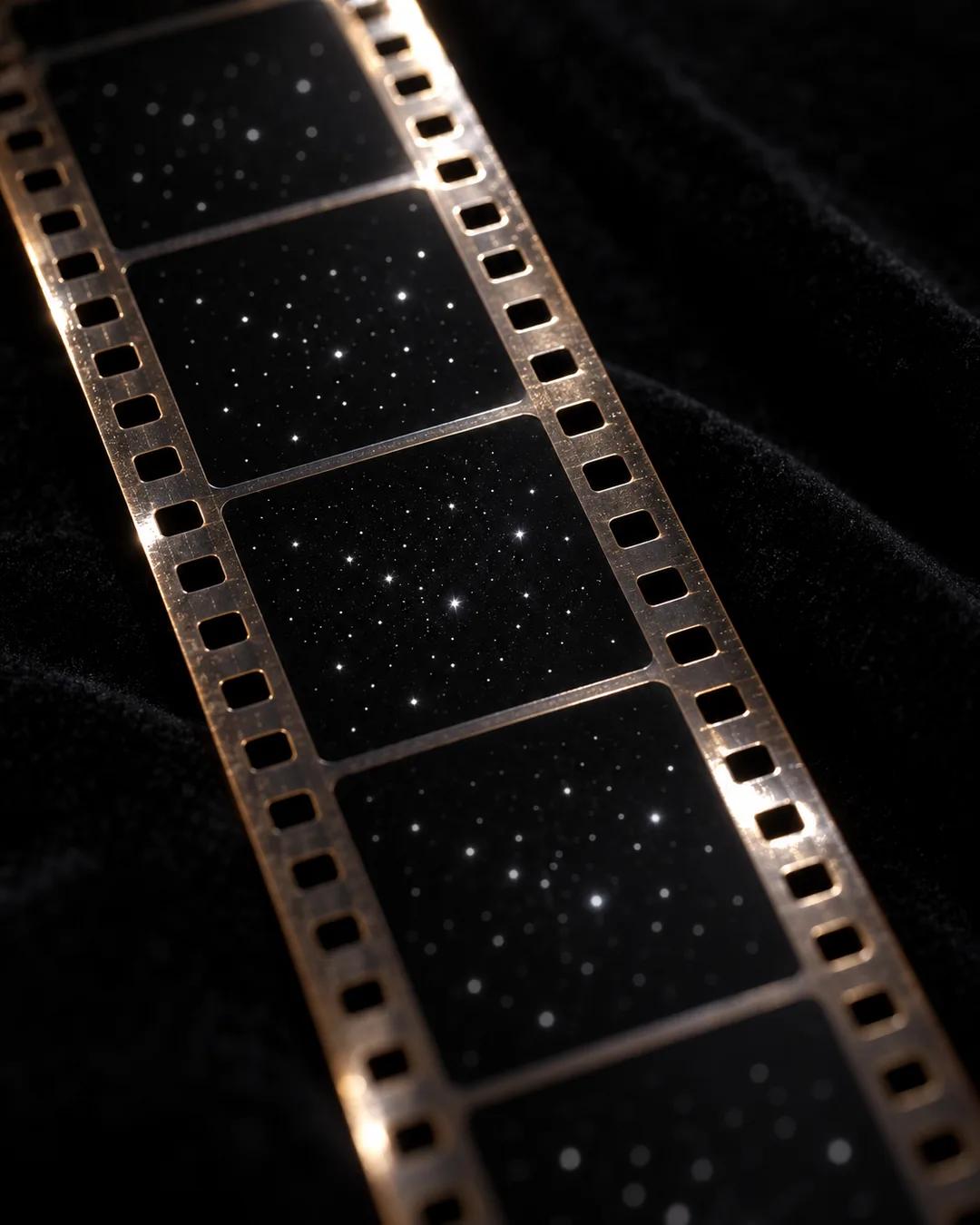
Faster camera moves made stars strobe
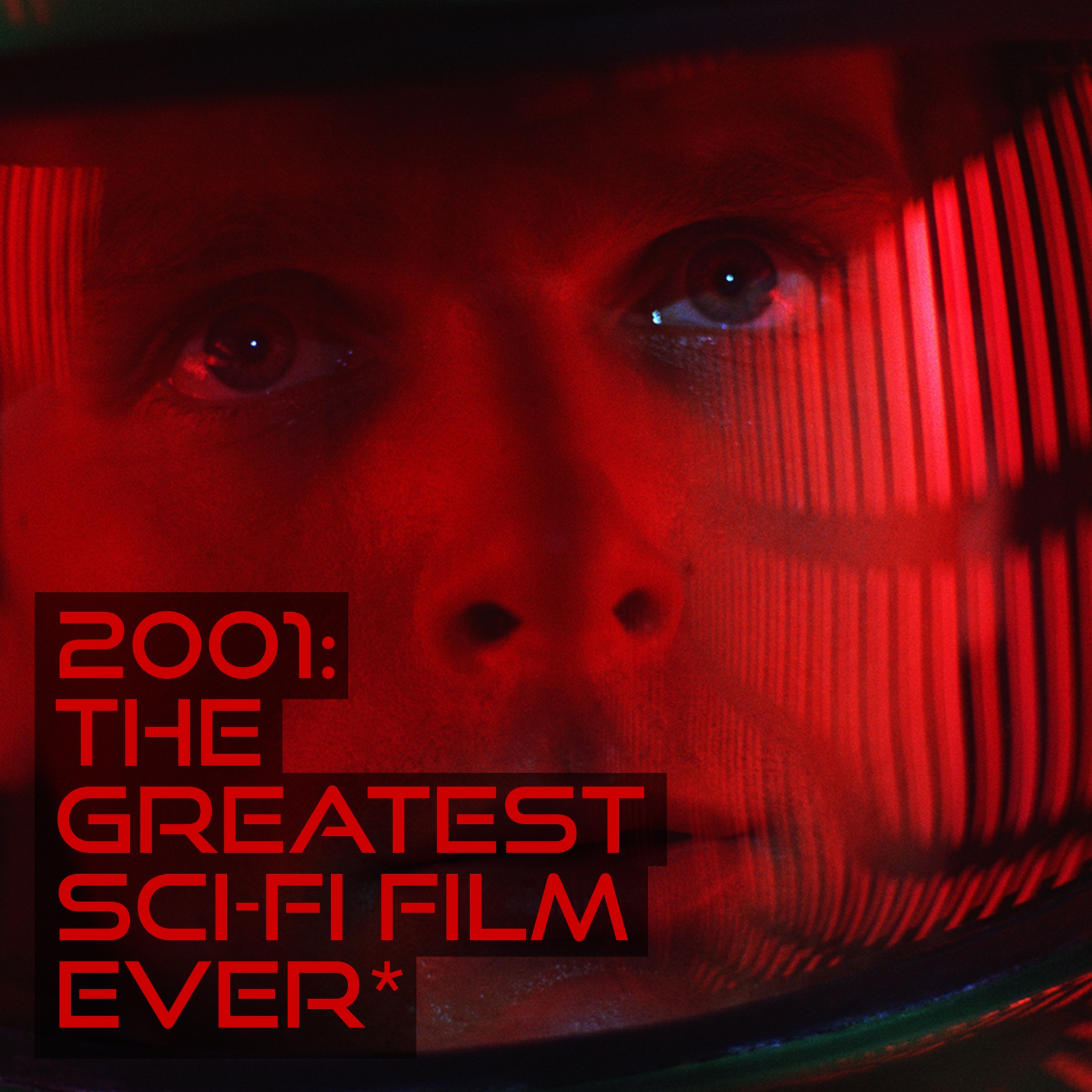
Why Stars Flicker
Tests of the space sequences showed that the stars flicker if the camera moves faster. The effects team wanted them rock solid, the way stars look when there is no atmosphere. That is why Discovery glides toward Jupiter and the pod moves methodically toward the high-gain antenna.
Why Lucas Avoided It
Lucas's film also ran at 24 frames per second, and the problem didn't bother him. Its action was kinetic, closer to World War II dogfighting, so viewers were watching the fighters rather than the stars.
The strobing was seen as a limit on the space effects, and it contributed to the speed limit of 2001.
Why do fast pans make stars strobe?
Film records 24 separate still frames each second. When the camera pans quickly, a bright point like a star jumps a long way between frames instead of gliding, and the eye reads the jumps as flicker. The effect is called temporal aliasing. The same effect makes wagon wheels appear to spin backward in Western movies.
Why do stars look steady above the atmosphere?
Twinkling on Earth comes from turbulence in the air, which keeps bending starlight on its way to the eye. Above the atmosphere nothing bends the light, so stars shine as steady points. Astronomers call the blurring caused by air turbulence seeing. The Hubble Space Telescope was placed in orbit in 1990 partly to escape it.
How was the Stargate sequence filmed?
Trumbull used slit-scan photography. Backlit artwork sat behind a narrow slit of light, and the camera moved toward it during a long exposure, so each frame came out as a streak of color. Repeating the process frame by frame produced a tunnel of racing light. The technique later appeared in the opening titles of Doctor Who, starting in 1973.
More from Every Single Sci-Fi Film Ever*