Korva is a scroll of the internet’s best ideas.
Fear alone isn't a reason

A Fearful Traveler
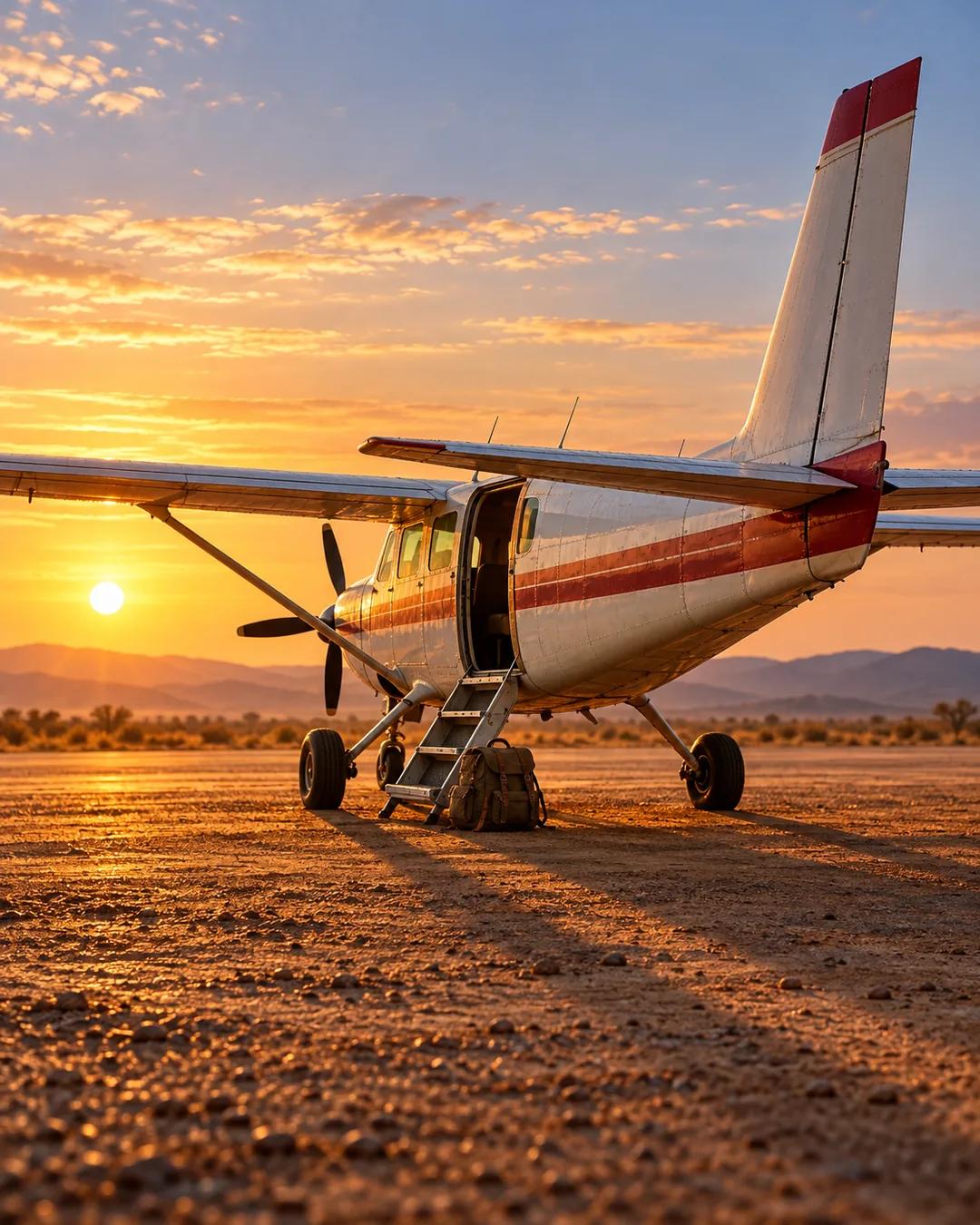
As a young woman, Jennifer Egan was drawn to extreme situations while being fearful herself. She was terrified of flying, and she still took propeller planes to Tashkent and Samarkand in the former Soviet Union, then traveled alone with a backpack in China in the summer of 1986. It was extreme, extraordinary, and very uncomfortable, and she was curious.
The Early Bargain
Out of that came a bargain she made early: she won't refuse something just because it's scary. Whenever she catches herself not wanting to do something, she asks why. Sometimes there are good reasons, and fear can be one of them. When fear is the only reason, the answer is that she has to do it.
Unafraid Characters
The bargain has driven many of her decisions. In her fiction, she likes writing about people who are unafraid, which is a big difference between those characters and her.
Why does avoiding a fear make it stronger?
Psychologists describe avoidance as negatively reinforced: skipping a feared thing brings immediate relief, and relief makes skipping more likely the next time. In the 1940s, psychologist O. Hobart Mowrer proposed a two-factor theory in which fears are first learned and then kept alive by avoidance. Because the avoider never finds out what would have happened, the fear never gets tested against reality. This avoidance cycle is a central idea in modern accounts of anxiety.
Why does flying frighten more people than driving?
Per mile traveled, commercial aviation is far safer than driving, so the fear does not track the statistics. Paul Slovic's 1987 paper on the perception of risk in the journal Science found that people judge hazards mainly by how dreaded and how unfamiliar they feel. Flying scores high on both, along with a lack of personal control. Slovic's work identified dread and unknown risk as the two main factors behind public fear of hazards.
Why were Samarkand and Tashkent worth visiting?
Samarkand sat on the Silk Road, and Timur made it his capital in the late fourteenth century, filling it with monumental buildings. Its Registan square holds three madrasas built between the fifteenth and seventeenth centuries. In 1986 both cities belonged to the Uzbek Soviet Socialist Republic, which became independent in 1991. Tashkent had been largely rebuilt after a 1966 earthquake destroyed much of the city.
More from Better in Person with Stephen Dubner