Korva is a scroll of the internet’s best ideas.
Ferrari builds nothing until you order

Built to Order
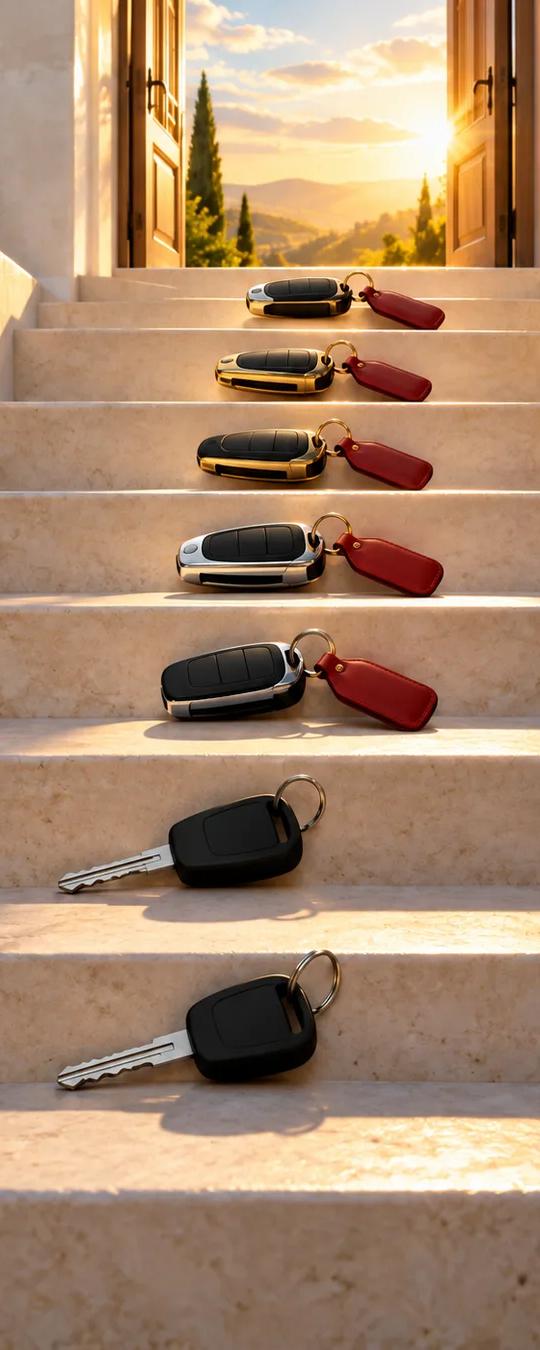
Since 1994, Ferrari has kept no stock of finished cars sitting at dealerships or at the factory. The customization is so extensive that every car that rolls off the line is its own custom car, maybe differing in a small detail, but never identical to another.
Made in Maranello
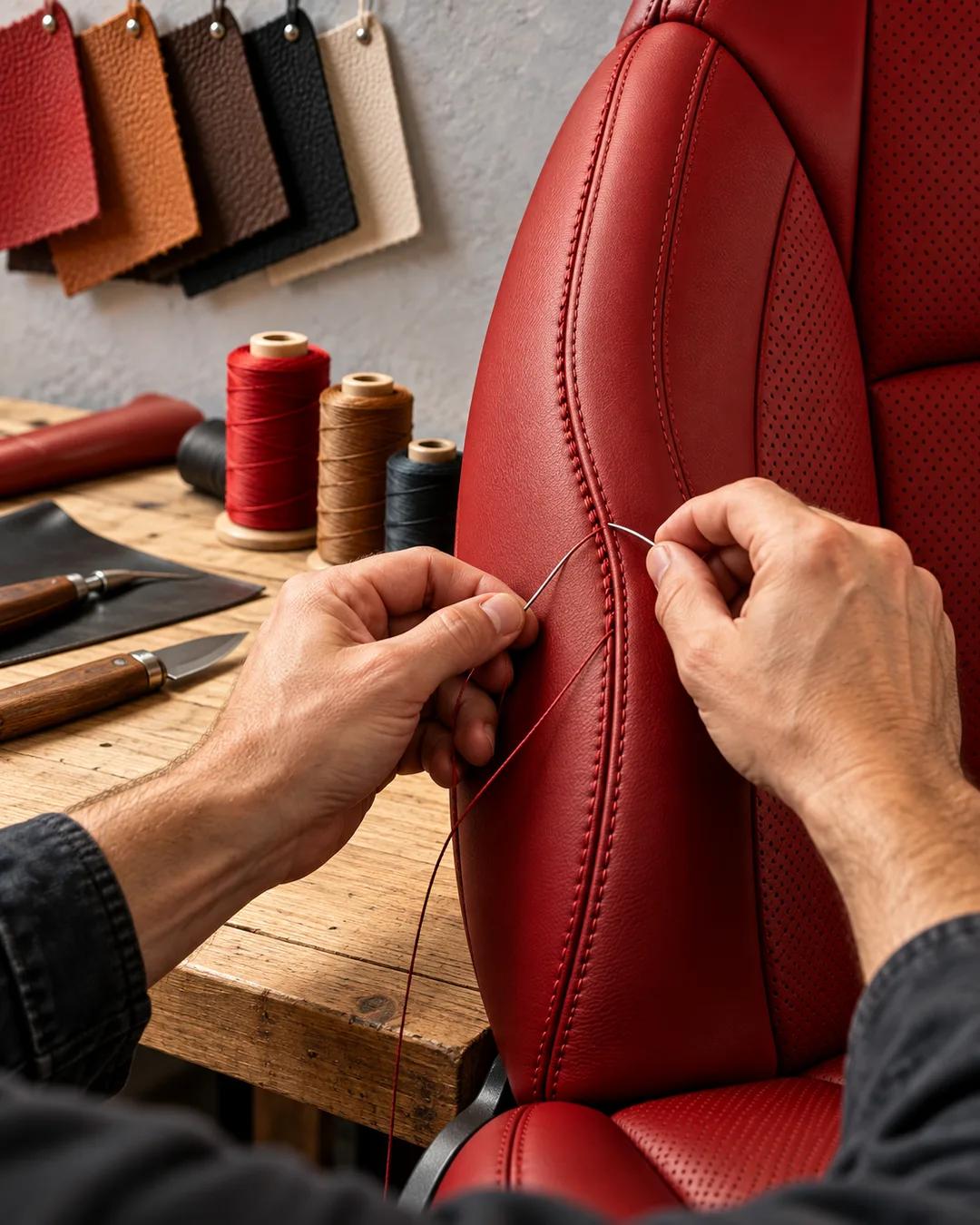
The factory in Maranello is vertically integrated to an extreme. Trucks arrive with raw ingots of aluminum, and Ferrari casts entire engines on site, building the molds out of sand and running 700 degree Celsius furnaces in its own foundry. Body panel work and seat stitching happen there too.
No Ferrari shares a platform with any other car. The Lamborghini Urus sits on the same platform as the Porsche Cayenne and the Volkswagen Touareg, but the only things that go into Ferraris are Ferraris.
Why Inefficient Works
Humans do manual work at every station except the one that attaches the windshield, which is automated for safety, and Ferrari can make any car on any line. That is inefficient and would be a terrible way to run a scaled car company. It also lets Ferrari change an engine casting spec without asking a supplier to rebuild anything, and lessons from the Formula 1 team across the street reach the road cars quickly.
Why cast engines in sand molds?
Sand casting packs sand around a pattern to form a cavity for molten metal, and the mold is broken apart to remove the finished part. Each mold is used once and is cheap to change, which suits small runs and parts whose designs change often. High-volume makers more often use permanent metal dies, which cost far more to make but turn out parts faster.
Why do automakers share one platform across brands?
A shared platform spreads development cost over more cars, which lowers the cost of each one. Volkswagen Group's MLB Evo platform underpins the Lamborghini Urus, the Porsche Cayenne, the Volkswagen Touareg, and the Audi Q7.
How do Formula 1 lessons reach Ferrari road cars?
Ferrari's 640 in 1989 was the first Formula 1 car with a semi-automatic paddle-shift gearbox. The technology reached road cars in 1997 with the 355 F1. LaFerrari, launched in 2013, used a hybrid system developed with Ferrari's Formula 1 team.
More from Acquired