Korva is a scroll of the internet’s best ideas.
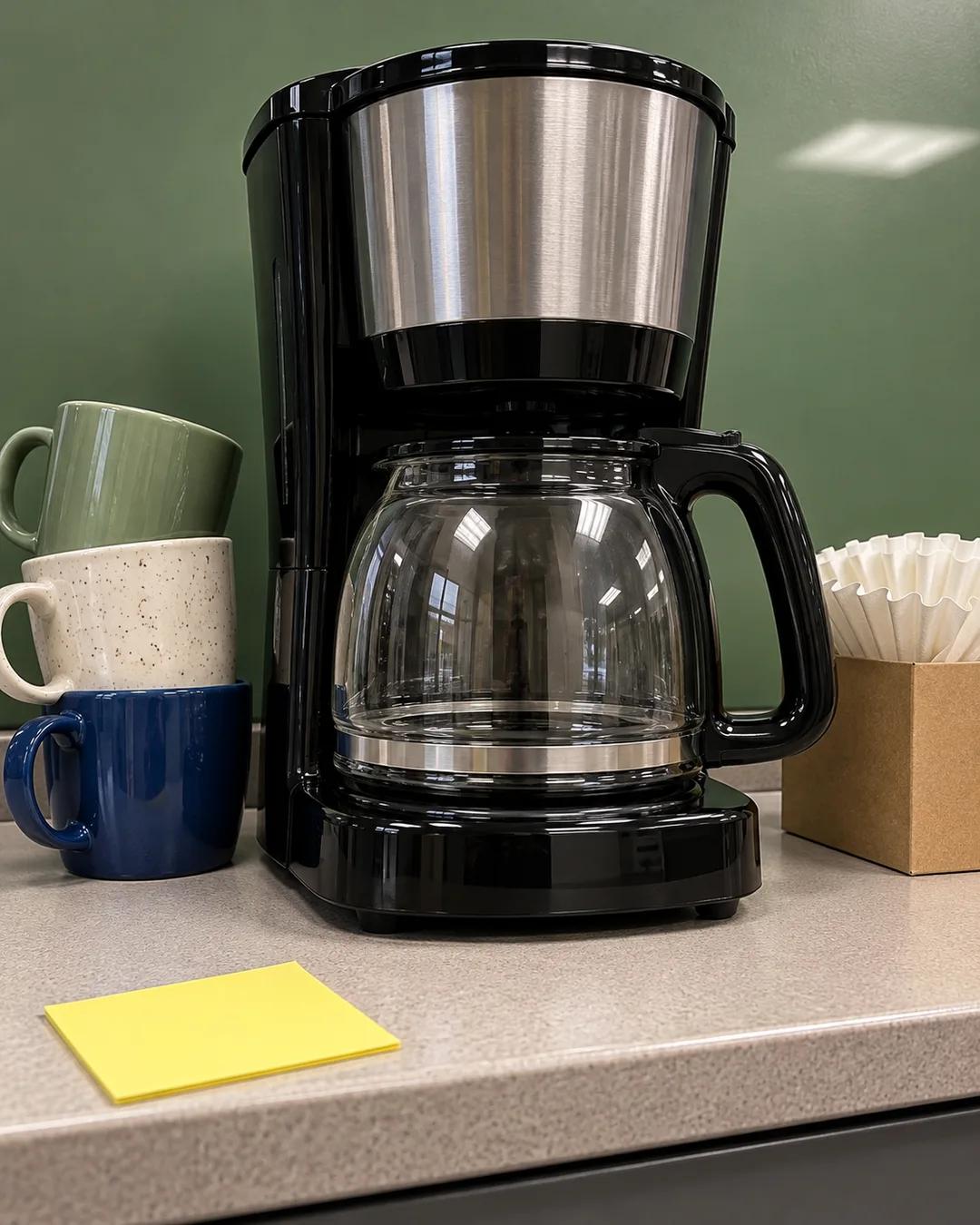
Fired for refusing to make coffee

Fired over coffee
Sarah Isgur, now an editor at SCOTUSblog, had been asked because she was the young woman in the office, and coffee wasn't something she drank. At 21 she took the firing as a stand for feminism. Two decades on, it sounds pretty obnoxious, and she can't tell whether she was fired for being a staunch feminist or for being obnoxious.
The Legally Blonde logic
She was self-righteous about it, in a way that altered her whole vision. Then Legally Blonde came out, and she concluded that if she had gone to Harvard Law School, nobody would have fired her. That made no sense, since she would not have held that job in the first place.
Off to law school
She went to law school anyway, planning to stay in politics. She had no plan for the law itself, didn't know any law firm names, and had never seen the word appellate.
How does appellate work differ from trial work?
A trial court hears witnesses and weighs evidence to find the facts. An appellate court takes the trial record as given and asks only whether the law was applied correctly. Appeals are decided by panels of judges, usually from written briefs and a short oral argument, with no jury and no new testimony. The federal system has thirteen courts of appeals, and the Supreme Court sits above them.
How did Legally Blonde become a law school touchstone?
The film came out in 2001, based on a novel by Amanda Brown that drew on her own time at Stanford Law School. Reese Witherspoon played Elle Woods, who gets into Harvard Law School and wins a case using what she knows about hair care. Its success led to a 2003 sequel and a Broadway musical that opened in 2007.
More from Original Jurisdiction