Korva is a scroll of the internet’s best ideas.
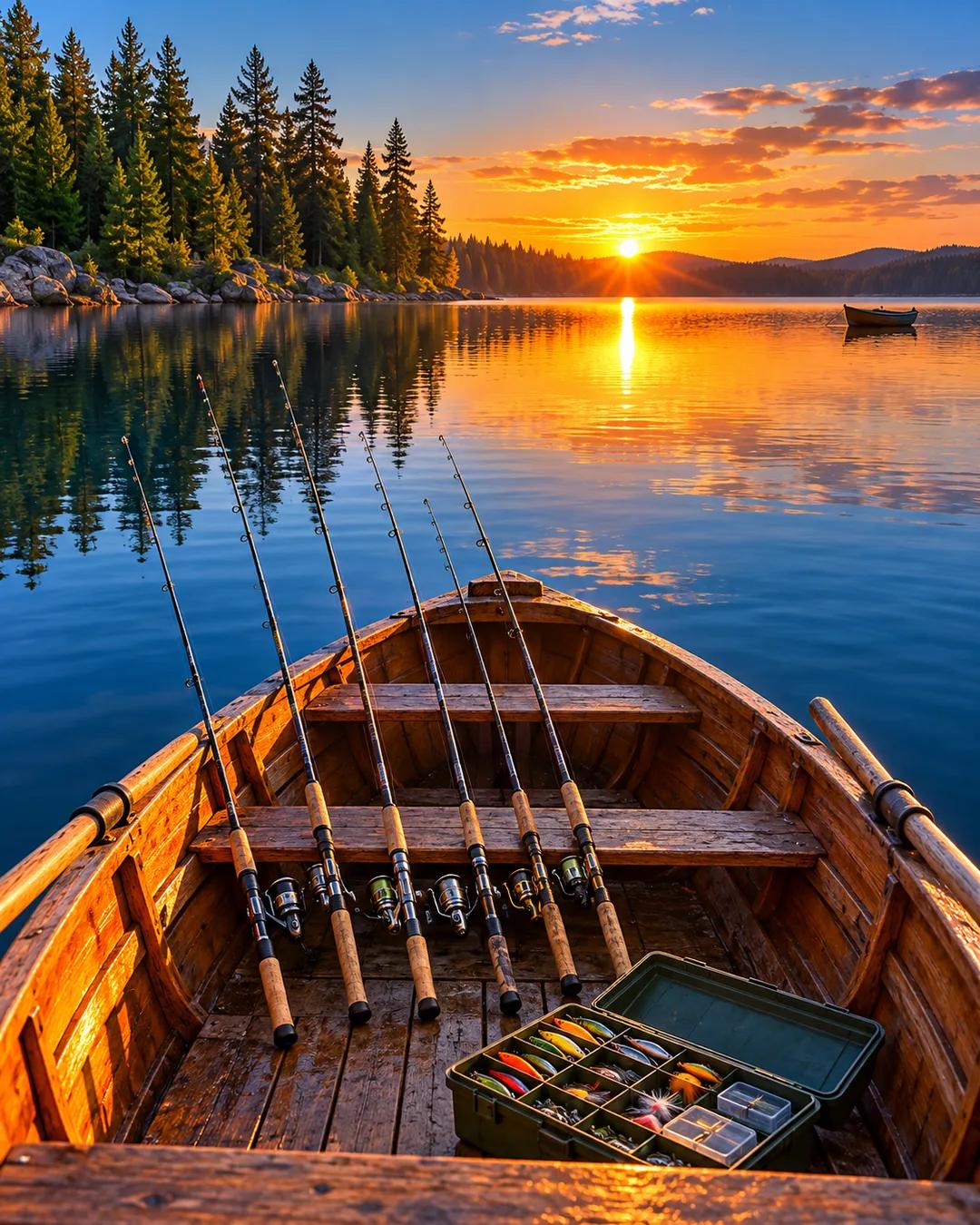
Fishing united a divided commission
A Divided Commission
President Eisenhower set up the Civil Rights Commission in 1957 with three Southern Democrats, two Northern Republicans, and one independent, Hesburgh, a Holy Cross priest and the president of Notre Dame. Early on, the group struggled to agree on much of anything. Hesburgh saw that although most of them disagreed on fundamental issues, including politics, they loved to fish.
The Fishing Trip
He brought them to Land O'Lakes in Wisconsin, land the university owns, and got them out on boats. Over a handful of days, they banged out the commission's first report. Of roughly a dozen subjects they were trying to settle, all six members agreed on all but one, which passed five to one.
What It Led To
The commission's first five or six years of work led to the Civil Rights Act of 1964, and Hesburgh stayed on it into the early 1970s.
Why did Congress create a Civil Rights Commission?
The Civil Rights Act of 1957 established the commission, and it was the first federal civil rights law since Reconstruction. The commission was an independent, bipartisan panel assigned to investigate claims that citizens were being denied the vote. It could gather evidence and issue reports but had no power to enforce anything. Its findings went to the president and Congress.
How did its reports shape the 1964 act?
The commission's reports documented discrimination in voting, education, housing, and public facilities across the South and beyond. Those findings gave lawmakers evidence for drafting new civil rights bills. The Civil Rights Act of 1964 banned segregation in public accommodations and discrimination in employment. It also allowed the federal government to push for desegregation of public schools.
Why was a priest on a federal commission?
Hesburgh was president of the University of Notre Dame from 1952 to 1987, one of the longest tenures in American higher education. Eisenhower appointed him to the commission in 1957, and he later served as its chairman under Richard Nixon. He was a member of the Congregation of Holy Cross. He received the Presidential Medal of Freedom in 2000.
More from Joys of Compounding