Korva is a scroll of the internet’s best ideas.
Five-lawyer firm over Paul Weiss
A change of heart
He had spent almost five years as an assistant U.S. attorney in the Southern District of New York, prosecuting narcotics and bank robberies among other cases. He called his mentor, Judge Lou Kaplan, to say he had had a change of heart. At 31 or 32 he wanted more autonomy and self-direction than a slot at a big firm would give him.
The L.A. Law pitch
The pitch came from his best friend at the U.S. Attorney's Office, who had joined the boutique and told him it represented Mariah Carey and Mike Tyson and tried cases. L.A. Law was a big show then, and the friend said the place was just like it: they went to court, and the work was action-packed.
Building the firm
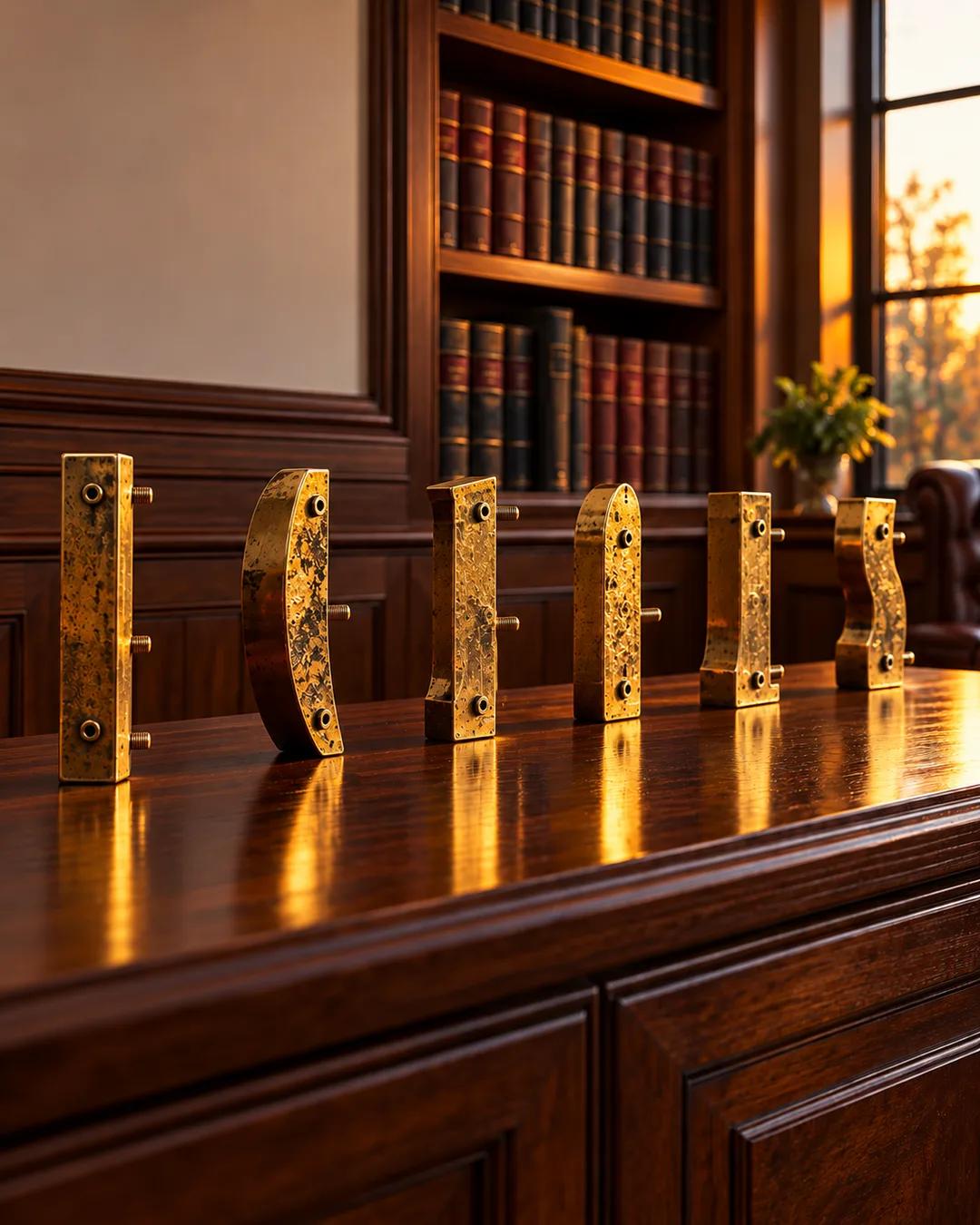
The firm was Archer and Hayes, later Archer, Hayes and Snyder. Over a decade it hired the best and brightest out of the U.S. Attorney's Office and Supreme Court and Second Circuit clerkships, and it started representing Time Warner and Sony in everything from copyright to contract litigation. By 40 he was running it. The firm merged into an LA firm in 2003, and in 2005 he moved with a team of five to Gibson Dunn, where he keeps the brass letters S-N-Y-D-E-R from the day he took his name off the wall.
Why do firms want former federal prosecutors?
Assistant U.S. attorneys try real cases early in their careers, often against experienced defense lawyers, so they log courtroom hours that young associates at large firms rarely get. They have also run investigations alongside federal agents, which clients facing government inquiries value. Government salaries follow federal pay scales and sit well below private-firm pay, so many prosecutors move to private practice after several years. The Southern District of New York is one of the largest U.S. attorney's offices, covering Manhattan, the Bronx, and several counties north of the city.
Why do firms recruit Supreme Court clerks?
Each justice hires only a handful of law clerks per term, generally four, so the pool is tiny. Clerks spend a year reading petitions, researching, and drafting opinions with a justice, which gives them an inside view of how the Court decides cases. Large firms have long competed for them with large signing bonuses. Federal appeals court clerkships, such as those on the Second Circuit, are a common stepping stone to the Supreme Court jobs.
Why do law firms carry partners' surnames?
Law firms grew out of partnerships, and founding partners put their own names on the practice to signal their personal accountability to clients. As lawyers join, retire, or leave, many firms add or drop names, which is why long strings of surnames pile up over time. Some firms eventually shorten to a single name or initials. Gibson, Dunn & Crutcher was founded in Los Angeles in 1890.
More from Original Jurisdiction