Korva is a scroll of the internet’s best ideas.
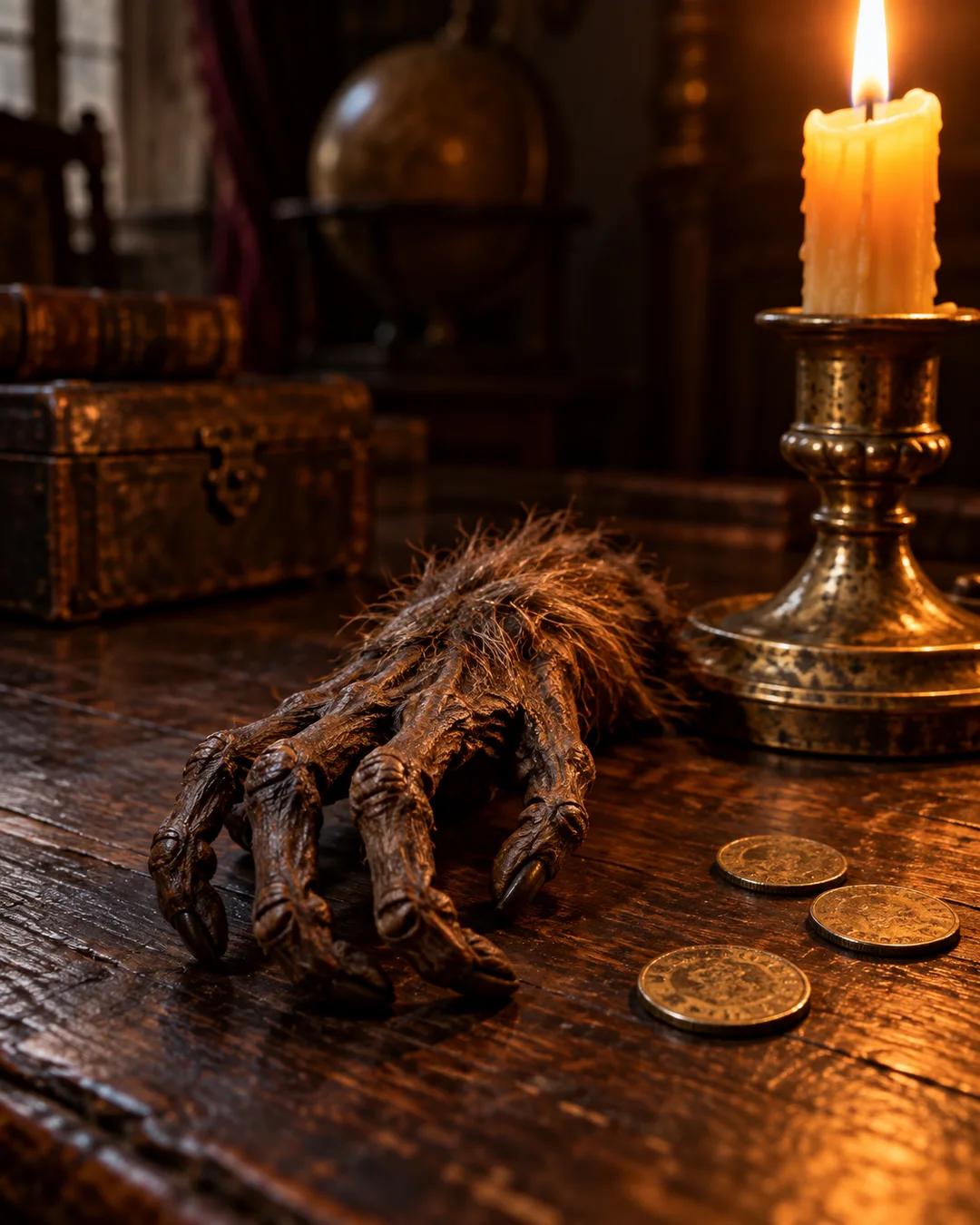
Fixing incentives is a monkey's paw
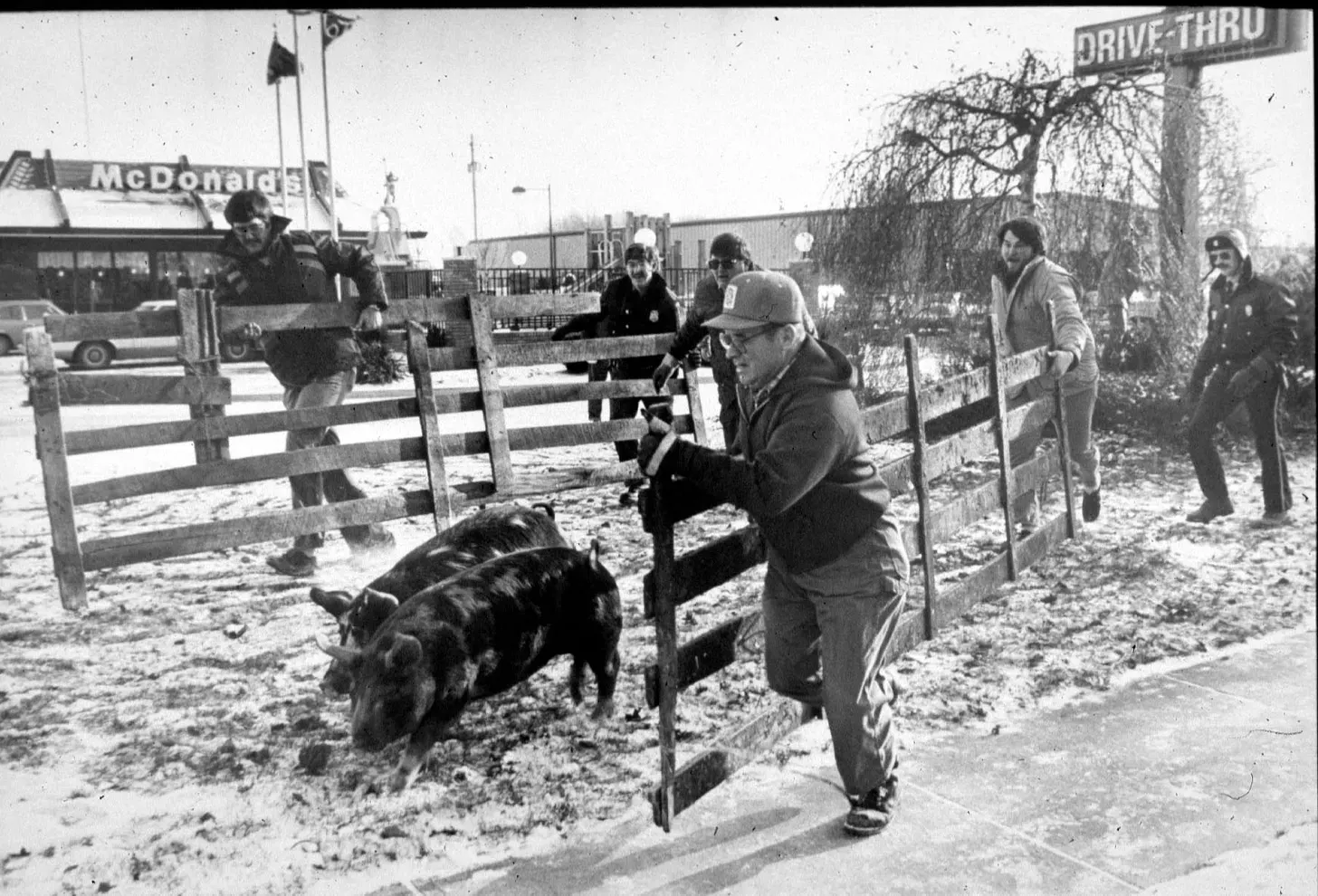
Incentives get corrupted
That makes talk about fixing incentives sound like wishes on a monkey's paw that grants them only in evil, ironic ways. The last wish backfired horrifically, so the proposed remedy is to make another wish on the monkey's paw.
In the eternal game of cat and mouse between goodhearted people fixing incentives and Goodhart'd people exploiting them, the cats deserve cheering. Incentive systems should be checked for their intended effects, then revisited and revised.
Courage over incentives
The moment a conversation turns to incentives, though, everyone starts acting as if courage doesn't exist and can't exist. Bad incentives have become this generation's version of I was just following orders, an excuse that should be an indictment. Charles Sumner's list of what to look for in a leader had three items, and every one was backbone.
Where did Goodhart's Law and Campbell's Law come from?
British economist Charles Goodhart noted in a 1975 paper on monetary policy that any statistical regularity tends to collapse once it is used for control. Anthropologist Marilyn Strathern later phrased the idea as "When a measure becomes a target, it ceases to be a good measure." Social scientist Donald Campbell stated his version in 1976, observing that the more a quantitative indicator is used for decisions, the more it is subject to corruption pressures.
How did a bounty on rats backfire in Hanoi?
French colonial officials in Hanoi in 1902 offered a payment for each rat tail handed in, hoping to clear the city's sewers. Historian Michael Vann documented in a 2003 article that residents began catching rats, cutting off the tails, and releasing the animals so they could breed again. Some people even raised rats for the payments. The officials ended the bounty after tailless rats were seen running through the city.
Why is the monkey's paw a symbol of wishes gone wrong?
W. W. Jacobs published the short story The Monkey's Paw in Harper's Monthly in September 1902. In it, a couple uses a mummified paw to wish for 200 pounds and receives exactly that sum as compensation after their son dies in a factory accident. Each wish is granted literally, with a grim cost attached. The story has been adapted for stage, radio, and film many times.