Korva is a scroll of the internet’s best ideas.
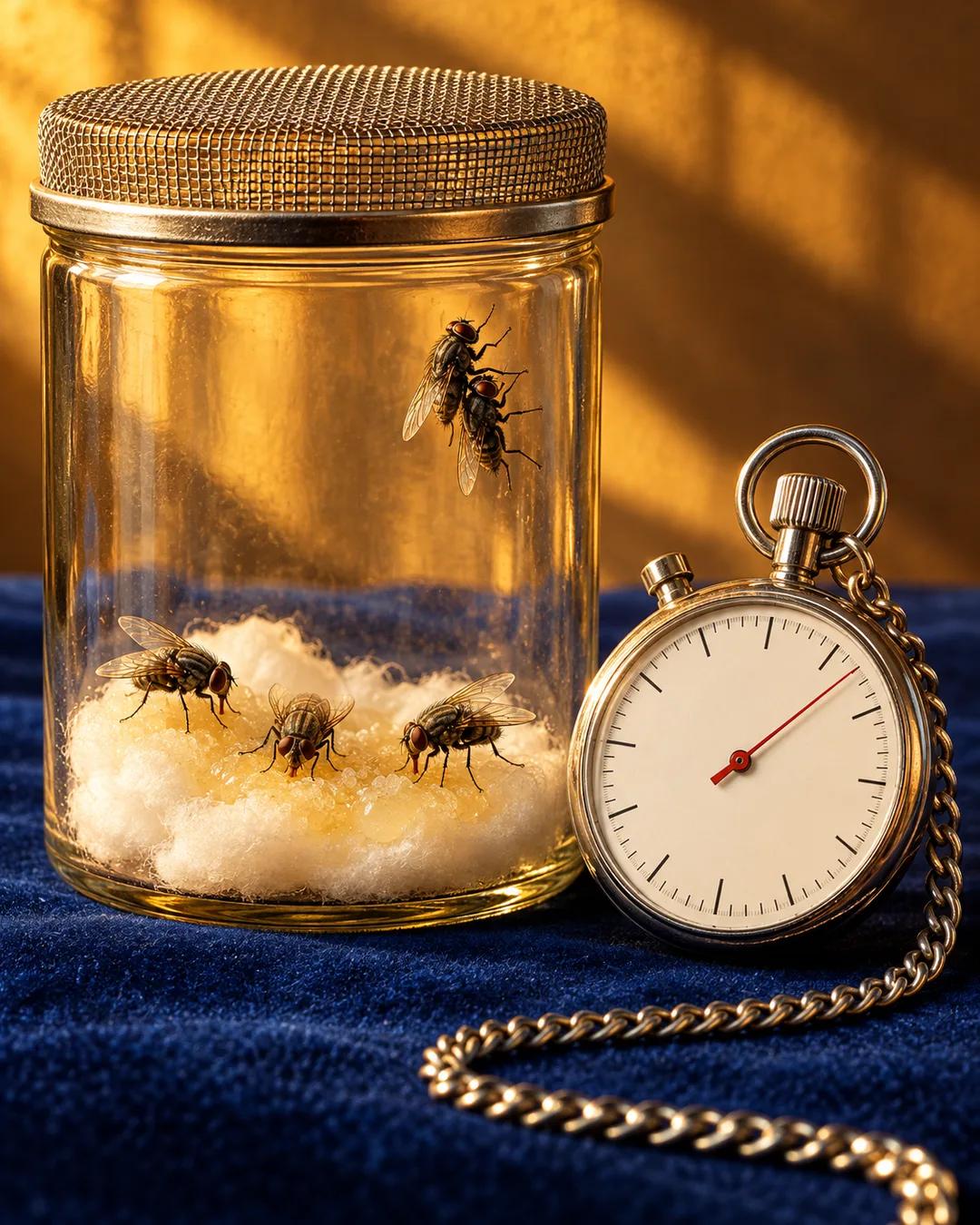
Flies bred as sexual athletes
Funding the Florida effort
Florida cattlemen were collectively losing $20 million a year to screwworm. The state legislature allocated $3 million to the eradication program, and the federal government matched it. A new factory outside Orlando, built in 1955, could produce two million sterilized flies a week.
A swath across the state
In April 1958, with screwworms still confined to the southern half of the state by an unusually cold winter, USDA planes dropped sterile flies across a 100-mile-wide swath through the center of Florida. The swath worked as a barrier for flies in the south. Inspection stations kept infected livestock from moving into northern Florida and Georgia, and by July no cases were being reported north of the line.
Pushing south
The USDA then pushed south, helped by a larger factory in Sebring that could produce 50 million flies a week, and by September infections in the Southeast had dropped to virtually nothing. Occasional outbreaks over the following months were met by carpet-bombing the area with ever-higher concentrations of sterile flies.
How do breeders select flies for mating frequency?
Breeders pick the males that mate most readily from each generation and use them to found the next. Repeated over many generations, this selection raises the share of males that mate often. Lab colonies can drift away from wild behavior over time, so selecting for mating drive helps keep sterilized males competitive against wild males.
Why did the cold winter help the Florida campaign?
Freezing weather kills screwworm flies, so the wild population shrinks to the warm southern part of a state. A smaller wild population means each sterile fly has a better chance of meeting a wild female. The campaign could then concentrate its releases on a limited area rather than the whole state.
Why were inspection stations needed in northern Florida?
An infested animal carries larvae in its wounds, and moving it can start a new outbreak far from the sterile fly drops. Inspection stations on the roads let officials examine livestock and treat infested animals before they crossed the barrier line. This kept the infestation from reaching areas where the wild flies were already gone.