Korva is a scroll of the internet’s best ideas.
Ford paid $1 million rather than Disneyland

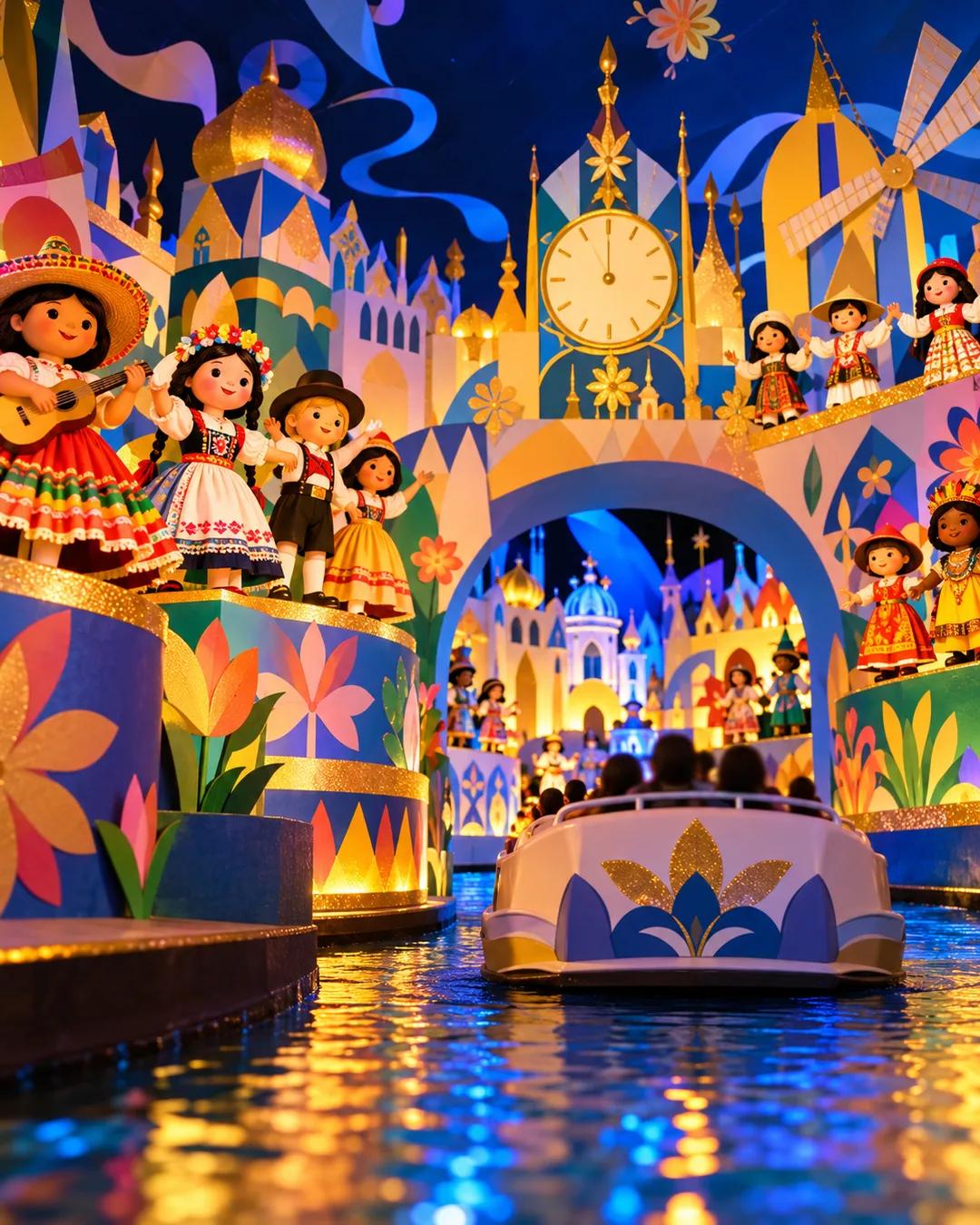
Walt used the New York World's Fair to partner with big American companies on Disney-sponsored pavilions that could move to Disneyland afterward, and as a quiet test bed for his idea of an East Coast city. The four attractions were It's a Small World, sponsored by Pepsi and UNICEF and designed by Mary Blair; the Carousel of Progress, sponsored by General Electric; the Magic Skyway, sponsored by Ford; and Great Moments with Mr. Lincoln, sponsored by the state of Illinois.
Walt's terms to Ford were that Ford would pay $1 million to use his name on top of paying for the ride. He offered to forgive the million if the ride could go to Disneyland after the fair. Ford chose to pay the million. The other three attractions moved to Disneyland, and Small World was by far the most successful pavilion at the fair.
The Lincoln figure is where Disney Imagineering developed audio animatronics, which Disney then popularized at Disneyland and Walt Disney World.
How do audio-animatronic figures move?
Early Disney audio-animatronics used compressed air to move limbs and faces. Signals recorded on magnetic tape alongside the voice told each actuator when to fire. The technique debuted in the Enchanted Tiki Room birds in 1963. The Lincoln figure extended it to a human form.
Who designed It's a Small World's look?
Mary Blair, an artist who had worked on Disney films since the 1940s, created the style. She did concept art for Cinderella, Alice in Wonderland, and Peter Pan. Her bold colors and simple shapes carried over to the ride's dolls and sets. The look gave the ride a design identity unlike any other.
What happened to the Magic Skyway after the fair?
Its prehistoric scenes moved to Disneyland and became the Primeval World diorama. The dinosaurs sit along the Disneyland Railroad route. Guests ride past them on the train. The diorama opened in 1966.
More from Acquired