Korva is a scroll of the internet’s best ideas.

Four classes, four A's
A carpenter's path
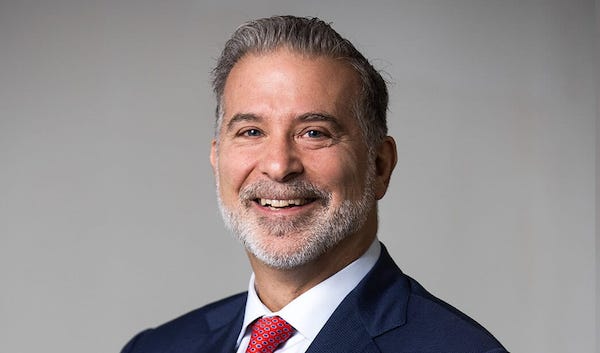
Christopher Seeger grew up in Bayshore, Long Island, where his stepfather was a union carpenter and he planned to become one. He wasn't a good student in high school, though he read constantly, and he boxed as an amateur. Only two of the six kids in his family went to college.
Walking past Hunter
A real estate man on Long Island, for whom he did carpentry, kept telling him he was a pretty bright kid who read a lot and ought to think about college, since he could always go back to carpentry. Around 22 or 23, Seeger was living in Manhattan with a brother who was starting a construction company, and he passed Hunter College and its subway stop all the time. He decided to take a course or two and see what happened.
Four A's
He took four classes and got A's on all four. That started the confidence he would need for law school. He studied political science and philosophy, finished college in seven semesters, and went straight into law school.
Why do early wins build academic confidence?
Psychologist Albert Bandura identified mastery experiences, meaning succeeding at a real and difficult task, as the strongest source of a person's belief in their own ability. Success changes what a person expects from the next attempt. Bandura found that encouragement from other people was a weaker source of that belief. He laid out the theory of self-efficacy in a 1977 paper in Psychological Review.
Why do law schools accept any major?
The American Bar Association does not require or recommend any particular undergraduate major for law school. Admissions offices weigh grades and Law School Admission Test scores most heavily. Analyses of LSAT results by major have repeatedly placed philosophy among the highest-scoring groups, though the test-takers in each group differ. Applicants arrive from majors ranging from engineering to music.
More from Original Jurisdiction