Korva is a scroll of the internet’s best ideas.
Four tests for subsidizing an industry

Is it critical
The first test is whether the industry is critical to economic and national security. Four categories qualify: defense technologies; dual-use technologies that matter for defense but cannot be sustained without a thriving commercial market; broad intermediate inputs like rare earths and energy, where disruption or coercion would threaten political autonomy; and industries tied to health and human life, such as pharmaceuticals and medicines.
Three more tests
The second test is dependence on other countries, with China the key question and Taiwan part of it for chips. The third is capital intensity: the case for intervention goes up when something is expensive to build and takes a long time. The fourth looks ahead. The robotics industry will evolve dramatically over the next ten years, and without action the country could accumulate dependencies it does not want.
The mask lesson
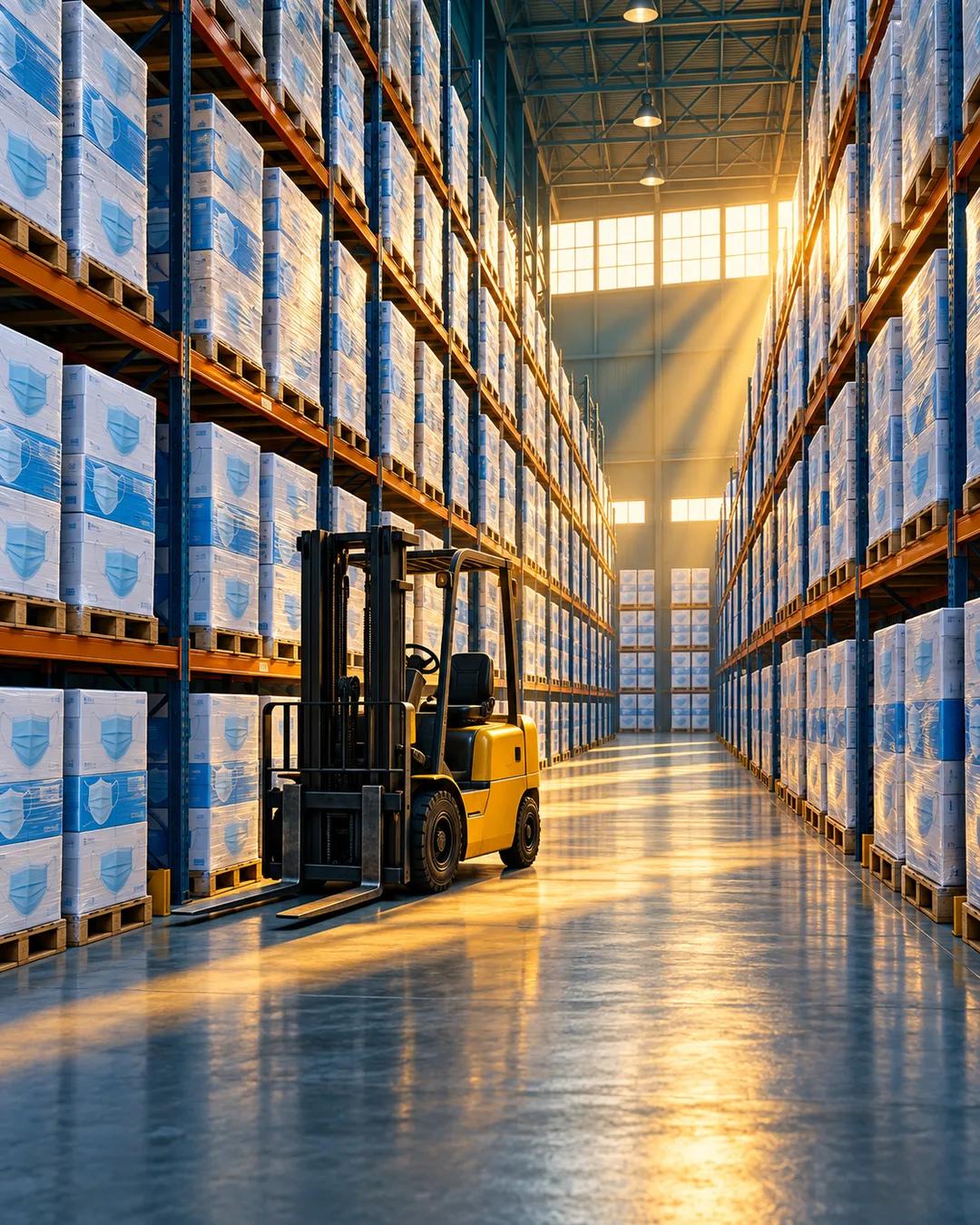
Masks show why capital intensity matters. They took a couple of months to ramp up in 2020 and 2021, and then demand plummeted, and a number of the new entrants that had surged capacity went bankrupt as demand for the U.S.-made product evaporated. For a product like that, a bigger stockpile and flexible surge capacity are more efficient than billions of dollars in mask factories.
Why do rare earths count as critical?
Rare earths are a group of 17 metallic elements. Several of them go into strong permanent magnets used in electric motors, wind turbines, and guided weapons. They are called intermediate inputs because they are rarely sold to consumers directly and instead become parts of other products. A disruption in supply therefore reaches many industries at once.
Why do new factories fail when demand drops?
Factories carry large fixed costs, such as equipment, buildings, and loans, that continue when sales fall. A company that expanded during a surge has to cover those costs from a smaller market. Lenders to such expansions are repaid from future sales, and a drop in sales can push a company into default.
How does a national stockpile work?
A stockpile holds supplies in warehouses so they can be released in an emergency. Stored items have expiration dates, so managers must rotate or replace them. Masks, antibiotics, and ventilators are among the items such programs hold. The Strategic National Stockpile began in 1999 as the National Pharmaceutical Stockpile.
More from The Lawfare Podcast