Korva is a scroll of the internet’s best ideas.
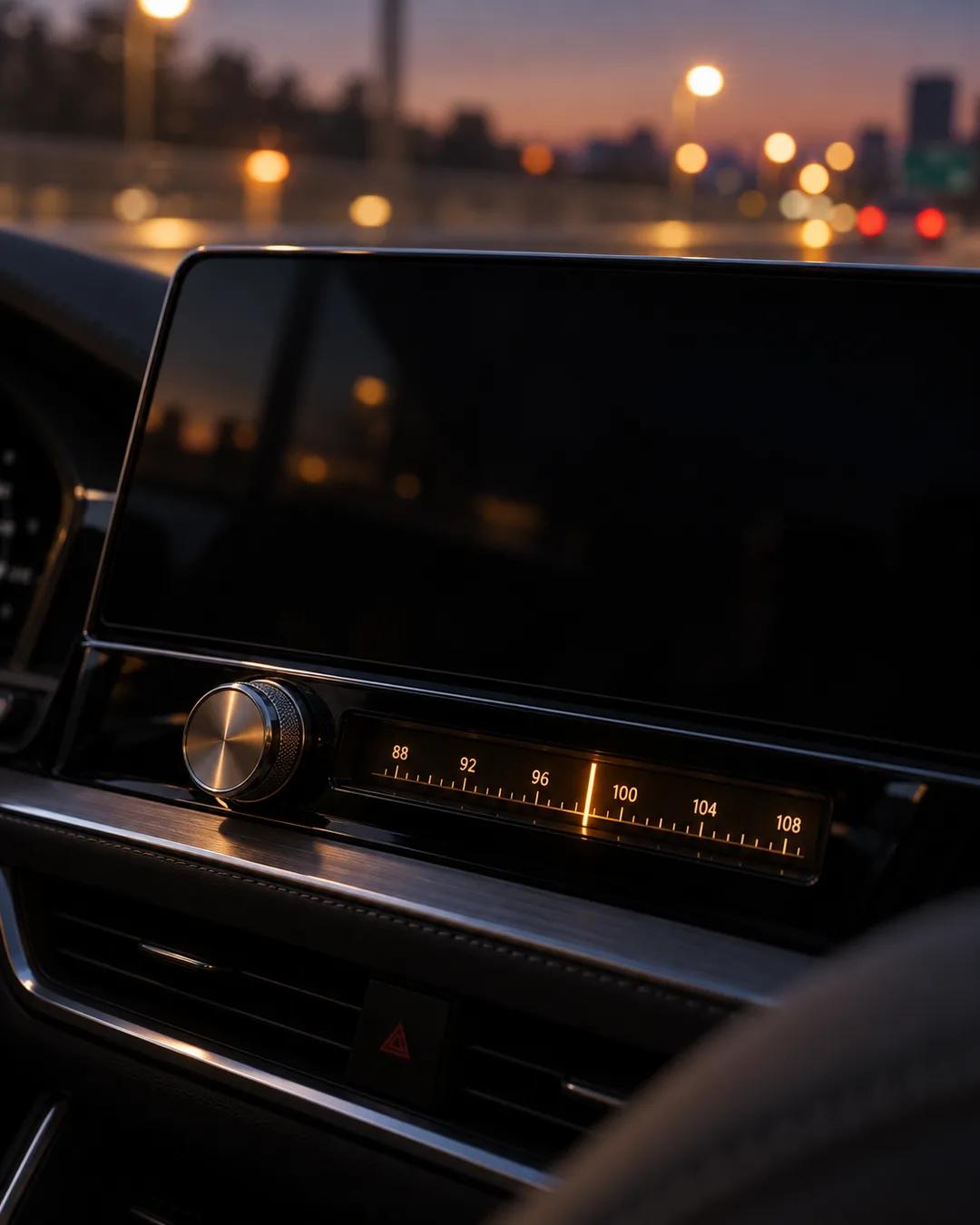
France moves to require car radios

The French bill
Some manufacturers have left radios out altogether, and the United States is also considering stronger legislation to protect the car radio. The argument for a mandate is public safety and resilience. The president of Radio France pointed to the blackouts in Spain and Portugal last year and to the rise of natural disasters and cyberattacks, and declared a car without a radio a blind spot for civil protection.
Radio in the UK
In the UK, almost twelve million people listen to the radio only in the car. Since 2020, a car that comes with a radio must receive digital stations, but nothing requires a new car to have one at all. A review of digital radio and audio will go to ministers by the end of the year and be published early next year.
A century of car radios
The car radio is almost as old as the BBC. In 1922, the year the BBC began, Daimler showed off a car radio at the motor show at Olympia, and in the 1930s Motorola built one of the first commercially successful ones. Its name is a nod to the motor car. Growth came with the launch of the motorways, since people on long journeys needed to be kept alert, and listening to live radio in the car has grown by more than fifty percent in twenty years.
Why do radios keep working when networks fail?
Broadcast radio sends one signal from a transmitter to every receiver in range, so it does not slow down when more people tune in. Mobile networks route each user's connection through cell towers that can be overloaded or lose power. A radio can run on a car battery or a small battery pack. Emergency agencies in many countries, such as the Emergency Alert System in the United States, rely on broadcast radio for that reason.
How did Motorola get its name?
Paul Galvin's company, Galvin Manufacturing, launched its car radio in 1930 under the brand Motorola. The name joins motor with ola, a suffix used on audio products such as the Victrola phonograph. The company adopted Motorola as its corporate name in 1947.
Why did motorways make car radios popular?
Britain's first long stretch of motorway, the Preston Bypass, opened in December 1958. Driving for hours at steady speeds on uniform roads is monotonous, and researchers use the term highway hypnosis for the drowsy, trance-like state it can cause. Radio gave drivers something to listen to without taking their eyes off the road. The first full-length motorway, the M1, opened in 1959.
More from Global News Podcast