Korva is a scroll of the internet’s best ideas.
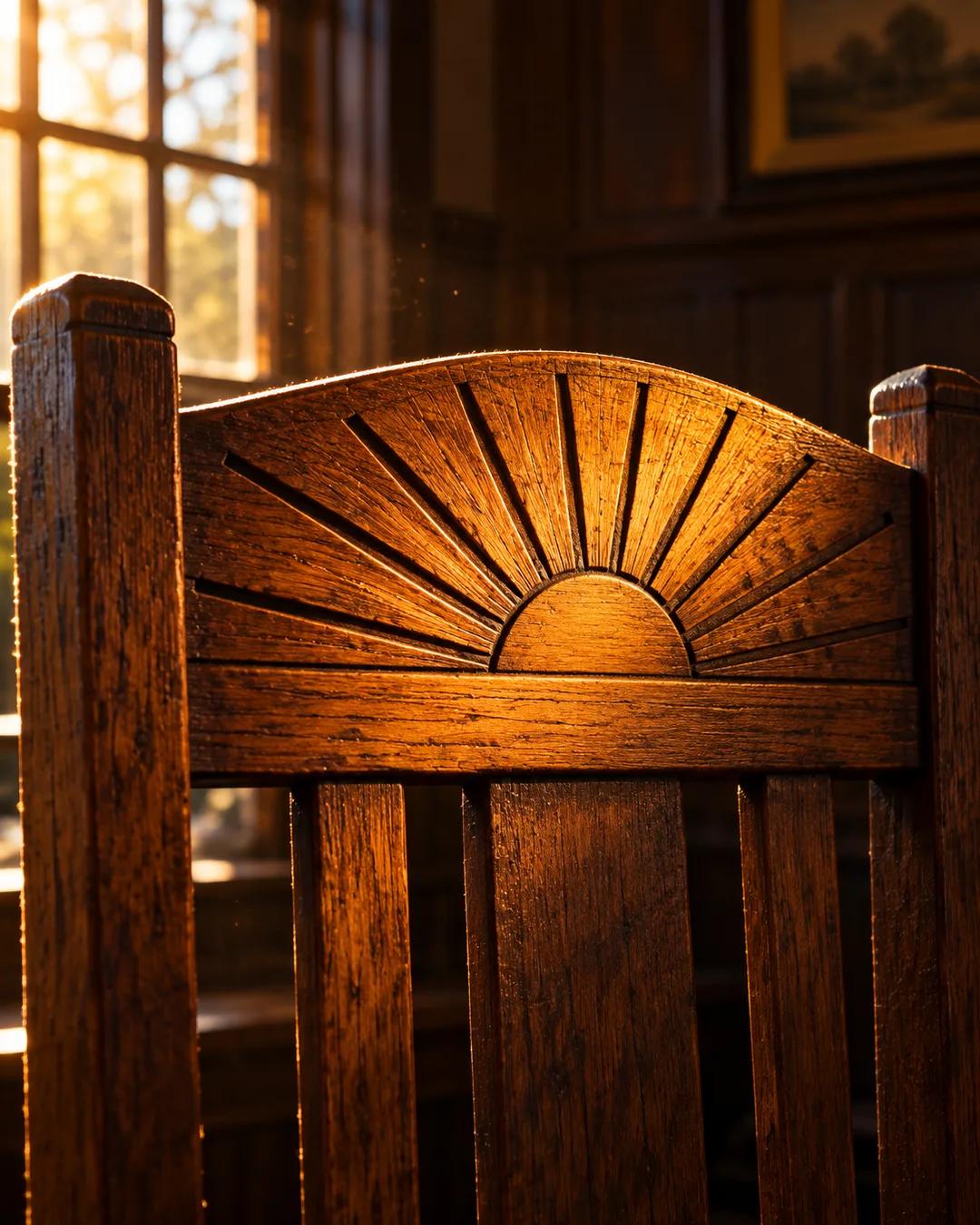

Through the four months of the convention, as his hopes and fears about its outcome swung back and forth, Franklin looked at the sun behind the president and could not tell which it was. By September 17, 1787, the last delegate was signing.
Only then, Franklin remarked, did he have the happiness to know it was a rising sun and not a setting one. Thirty-nine men from 12 states put their names to the document. George Mason, who wanted a bill of rights, Elbridge Gerry, who had a list of concerns, and Edmund Randolph, who feared Congress was too strong, refused.
The delegates then made their way to City Tavern for drinks.
Why is a rising sun hard to tell from a setting one?
Both show the same half-disk on the horizon with rays spreading upward. In a painting or carving, the only reliable clues are the surrounding colors and light, and a carved gilt sun has neither. Artists have long used context, such as dawn mist or an evening sky, to settle the matter. A sun on a chair rail gives no context at all.
Who made Washington's chair?
The chair was built in 1779 by the Philadelphia cabinetmaker John Folwell for the Pennsylvania Assembly. It is a Windsor-style high-backed armchair with a gilded sun carved into the crest. It stayed in the Assembly Room and was in use when the convention met in 1787. It still stands in Independence Hall.
More from History That Doesn't Suck