Korva is a scroll of the internet’s best ideas.
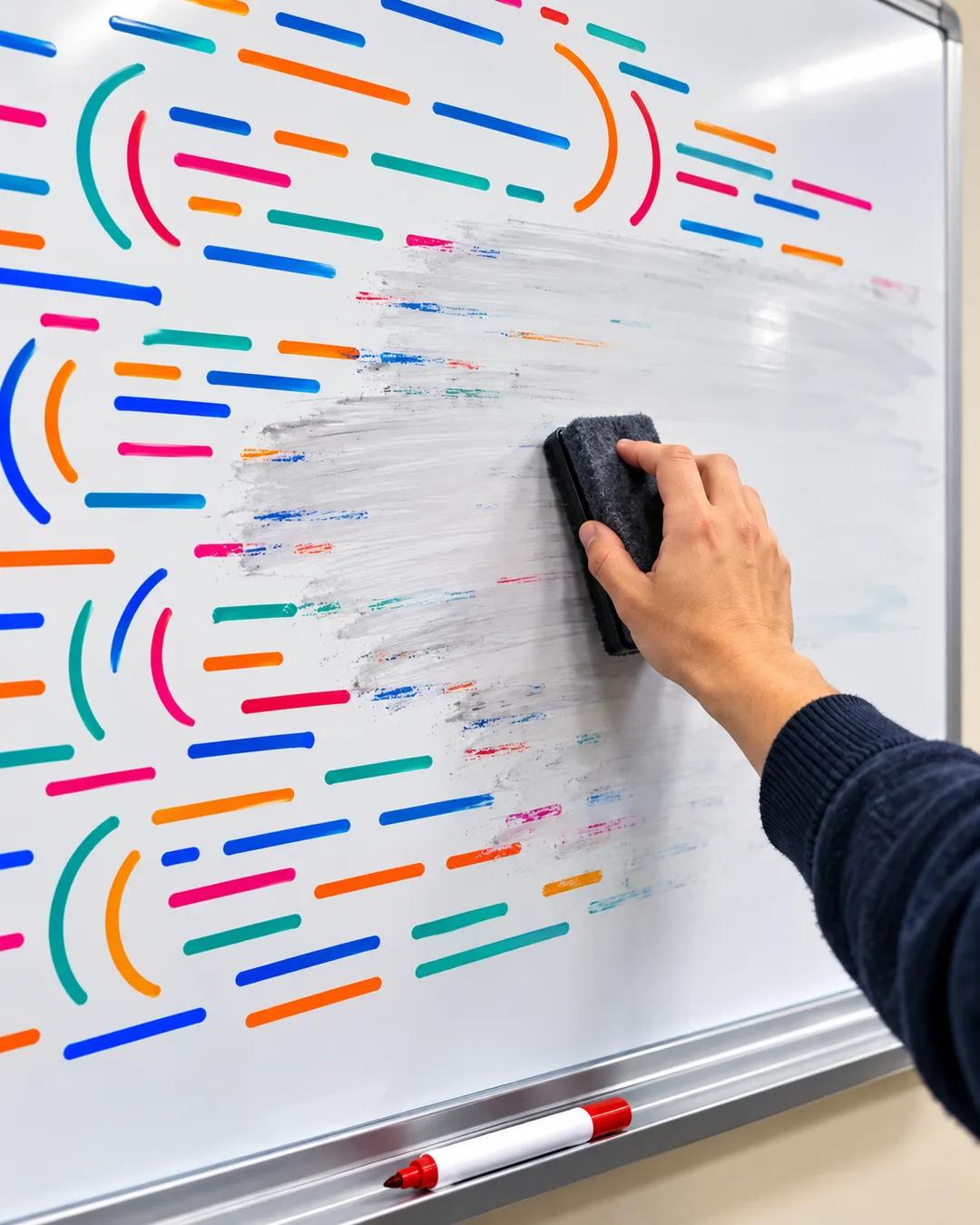
From code-a-thons to prompt-a-thons

Chasing the industry
The tech industry pivots fast. Giants spend hundreds of billions of dollars on data centers while laying off people who are not working on AI, and schools trying to follow get whiplash. Teaching what the industry needs this month and switching two months later to what it needs now is the pattern.
Skills that last
Skills that last would work with any technology and weigh its impact on society, whether the technology is apps, social media, AI, or quantum computing, which is next. Education moves slowly for a reason: it protects kids from education fads.
Kids in the driver's seat
Pioneering teachers are building a broader kind of tech education. Their students learn how companies steer people with their technology, how software and AI are designed to affect choices, and how to use the tools productively or push back. Kids sit in the driver's seat, and nobody treats them as cogs for industry agendas.
Where did the term vibe coding come from?
Andrej Karpathy, a co-founder of OpenAI and former AI director at Tesla, coined the term in a February 2025 post on X. He described a style of programming where you give in to the vibes and accept AI-generated code without reading it closely. The phrase spread quickly among programmers and the press. Collins Dictionary named vibe coding its Word of the Year for 2025.
Has a coding fad swept schools before?
In the 1980s, the Logo language, created by Seymour Papert and colleagues in 1967, spread through schools on Apple II computers. Students steered an on-screen turtle with commands to draw shapes. Supporters said it would build general problem-solving skills, and studies in the 1980s by researchers including Roy Pea found little transfer. By the 1990s, schools had shifted toward word processors and the internet. Papert laid out his philosophy in the 1980 book Mindstorms.
More from The Vergecast