Korva is a scroll of the internet’s best ideas.
From gun cases to Warren Christopher
Gun Cases to Washington
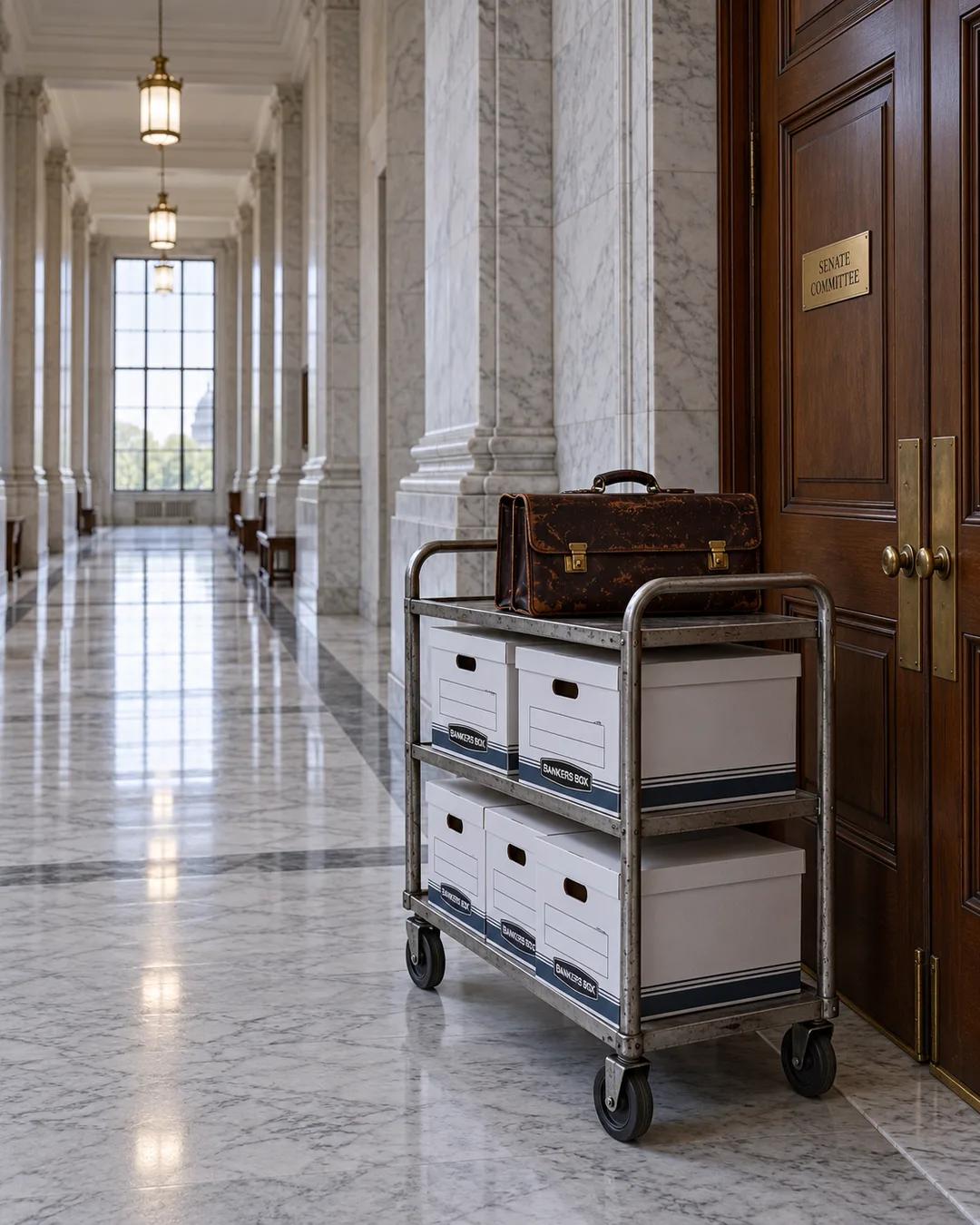
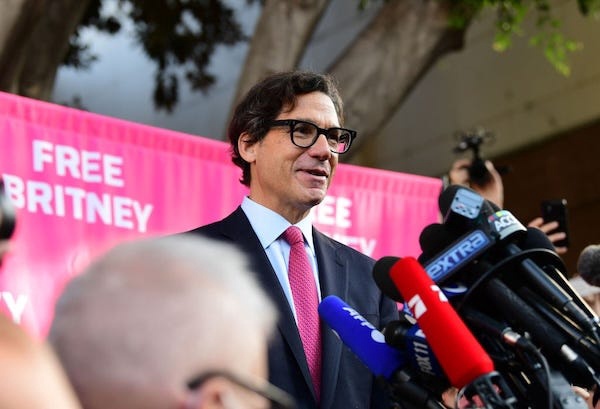
As a federal prosecutor in Florida during the war on drugs, Mathew Rosengart tried 10 or 12 gun and drug cases in a single year, sometimes giving a summation in the morning and an opening statement that same afternoon. Then Mark Joukowsky, a mentor who had tried the BCCI case, then the largest money laundering case in the country, asked him to come to Washington and work on one of the independent counsel investigations.
The Independent Counsel Years
It was the Clinton years, when almost every cabinet officer seemed to have a special prosecutor or independent counsel, and Ken Starr was investigating Bill Clinton over Whitewater and Lewinsky. Detailed to the Mike Espy independent counsel's office at about 33, he and Joukowsky took the lead.
Witnesses Before the Grand Jury
Within a couple of months, he put witnesses in the grand jury including Warren Christopher, the former Secretary of State; Leon Panetta, a retired former head of Clinton's OMB who had been involved in the transition; Webster Hubbell, the number two person at DOJ; and Lloyd Cutler, head of the White House Counsel's Office.
Why did independent counsels multiply in the 1990s?
The Ethics in Government Act of 1978 created the office after Watergate, so that investigations of top officials would not depend on the attorney general. A panel of three federal judges appointed the independent counsel once the attorney general asked for one. Investigations of cabinet officers and White House aides followed through the 1980s and 1990s. The law expired in June 1999 and Congress did not renew it.
How did the Mike Espy investigation end?
Mike Espy resigned as Agriculture Secretary in December 1994 amid an inquiry into gifts from companies his department regulated. Independent counsel Donald Smaltz indicted him on 39 counts in 1997. A federal jury in Washington acquitted him of all charges in 1998.
Why do grand juries question witnesses in secret?
Grand jury proceedings are secret under Rule 6(e) of the Federal Rules of Criminal Procedure. Secrecy encourages witnesses to speak freely, protects people who are investigated but never charged, and keeps suspects from fleeing or tampering with evidence. The Fifth Amendment requires a grand jury indictment for serious federal crimes. Witnesses go in without their lawyers, who must wait outside the room.
More from Original Jurisdiction