Korva is a scroll of the internet’s best ideas.
Gas prices set electricity prices

Power plants are stacked in a dispatch curve, and some of them burn no fuel at all. Solar is the clearest case. When gas gets more expensive and sets the margin, solar plants earn more per megawatt-hour while the sun costs the same, which means margins can expand without any new capital. Solar and batteries have made up about 90% of new assets in the interconnection queue over the last 10 years, other than gas.
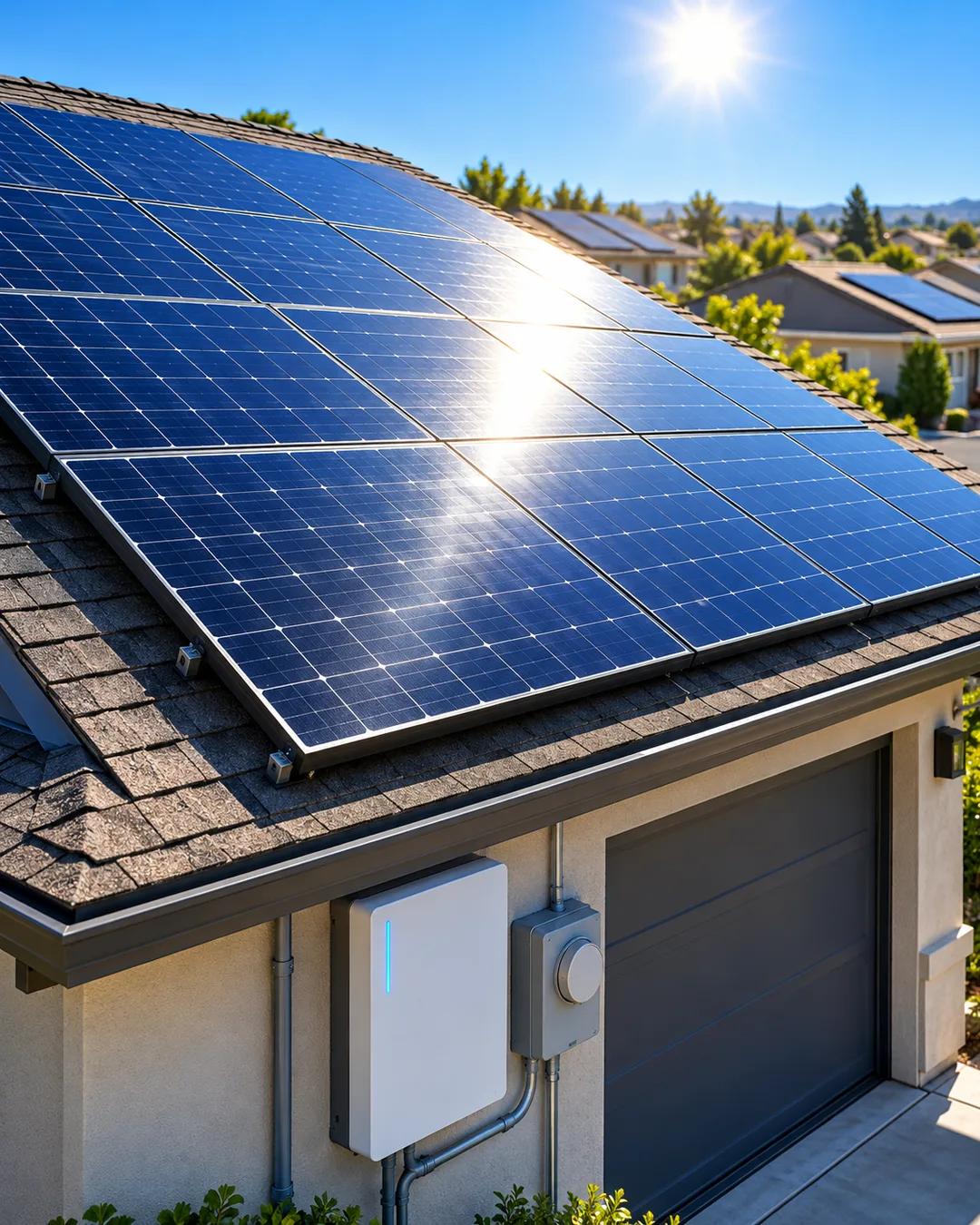
Contracts to sell power from solar and wind plants can reset to higher values as market prices rise, again without new spending. The same logic applies to rooftop solar. Residential solar has been slumping after the first removal of tax incentives for installation since the late 1970s, but with where electricity prices are likely headed it is projected to pay off even without incentives, especially with batteries that make the power available around the clock.
The hours from 10 a.m. to 6 p.m. are the biggest part of a household's bill, and they are the hours when tight gas would push electricity prices up the most. Rooftop solar produces in those hours, which is why it is described as one of the few ways to protect against what is coming.
What is a dispatch curve?
A dispatch curve stacks power plants in order of their marginal cost, from the cheapest to run to the most expensive. Grid operators call on plants from the bottom of the stack until demand is met. The last plant needed sets the market price that every dispatched plant is paid in many wholesale markets, and that plant is often gas-fired.
Why does solar earn more when gas costs more?
In a marginal-price market, every generator receives the clearing price set by the last plant dispatched. A solar plant has almost no fuel cost, so a higher clearing price goes directly to its margin. Its output per sunny hour stays the same while the price per megawatt-hour rises.
Why are afternoon hours the most expensive?
Demand for electricity typically peaks in late afternoon and early evening, when air conditioning and household use are high. At those times grids call on their costliest plants to meet the load. Rooftop solar produces most strongly during the middle of the day, overlapping with the early part of that peak.
More from Invest Like the Best with Patrick O'Shaughnessy