Korva is a scroll of the internet’s best ideas.
Genghis means strong and sea
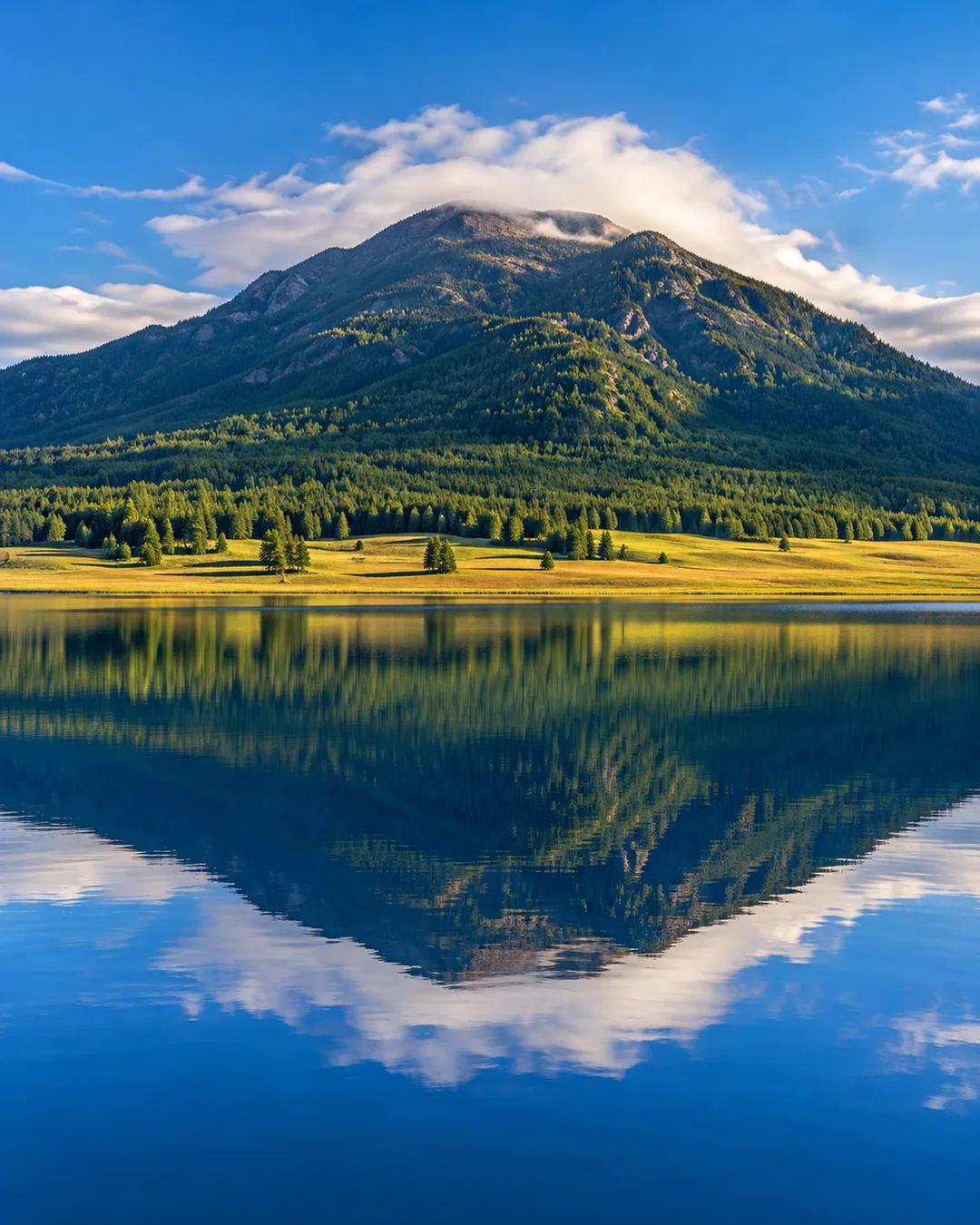
After Temujin defeated Wang Khan and took over central Mongolia, his people gave him a new title at Blackheart Mountain by the Blue Lake: Chinggis Khan. No one is known to have held it before.
In Mongolian Genghis sounds like strong. In Turkic, the language of many peoples including the Merkit, it sounds like Tengis, the sea. Mongols like words with multiple meanings, and the more meanings a word has, the more power it has, especially when it is a name.
Names work the same way today. About twenty years ago Michelle was a fashionable name for girls in Mongolia, because it is a French name and an American name and means smile in Mongolian.
Why do English and Mongolian spell the name differently?
Persian historians wrote the name as Chingiz or Changiz, and early European writers took it from them. English settled on Genghis, which is not how the name is pronounced in Mongolian. Mongolians spell it Chinggis, and linguists often use that form. The name has dozens of spellings in other languages.
Did Mongols have surnames?
Mongols traditionally used patronymics, naming a person after his father. Clan names existed, but were rarely used in daily life. Under the communist government in the twentieth century, clan names were discouraged. In the 1990s Mongolia required citizens to register a family name.
Why do Mongol and Turkic share vocabulary?
Mongolic and Turkic peoples lived side by side on the Eurasian steppe for more than a thousand years. They traded, intermarried, and ruled over each other's lands. The result is a large body of shared vocabulary, which scholars attribute to centuries of borrowing. The Mongol Empire itself included Turkic-speaking soldiers and officials.