Korva is a scroll of the internet’s best ideas.
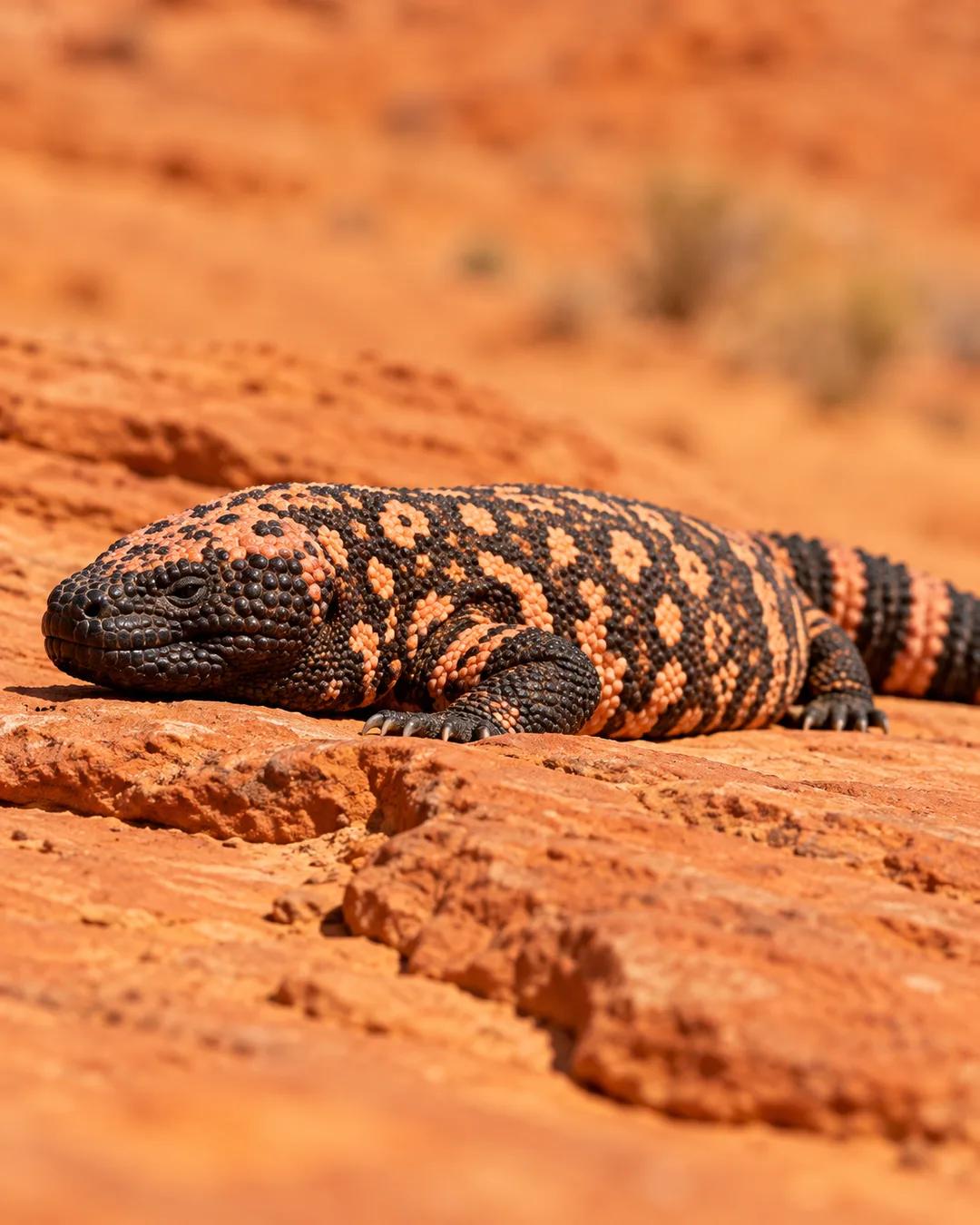
Gila monsters rarely need to eat

The lizard peptide
A biologist set out to learn why these reptiles eat so rarely and found that they make a peptide called exendin. It turned out to be a close relative of glucagon-like peptide one in humans. Gila monsters circulate very high levels of it, so they always feel satiated, and people don't.
What it does in people
In people, the peptide works through two mechanisms. It ramps up the satiety circuits in the brain, so the brain stops asking for food, and it makes people feel full, which is also behind side effects like nausea. It seems to lower inflammation and to dampen cravings for alcohol and sugar.
The drugs raise levels of the peptide a thousandfold or more, a level the body has never seen in the history of humans.
How did lizard venom become a drug?
In the early 1990s, endocrinologist John Eng at the Bronx VA Medical Center isolated a peptide called exendin-4 from Gila monster venom. It acted on the same receptors as human GLP-1. A synthetic version, exenatide, won FDA approval for type 2 diabetes in 2005, and it was the first drug of its kind to reach pharmacies.
Why does the human version vanish so fast?
An enzyme called DPP-4 chops human GLP-1 apart within a couple of minutes of its release from the gut. Exendin has a slightly different amino acid sequence that the enzyme cannot cut easily. That resistance lets it linger in the blood for hours. Semaglutide, a later drug in the family, was engineered to last about a week.
How do Gila monsters live on so few meals?
A Gila monster stores fat in its thick tail and runs on a very low metabolic rate. It can swallow up to about a third of its body weight in a single sitting, usually eggs or nestlings from a nest. It spends most of its life underground in burrows, which saves further energy. Fat from the tail carries it through the long dry months.
More from The Diary Of A CEO with Steven Bartlett