Korva is a scroll of the internet’s best ideas.
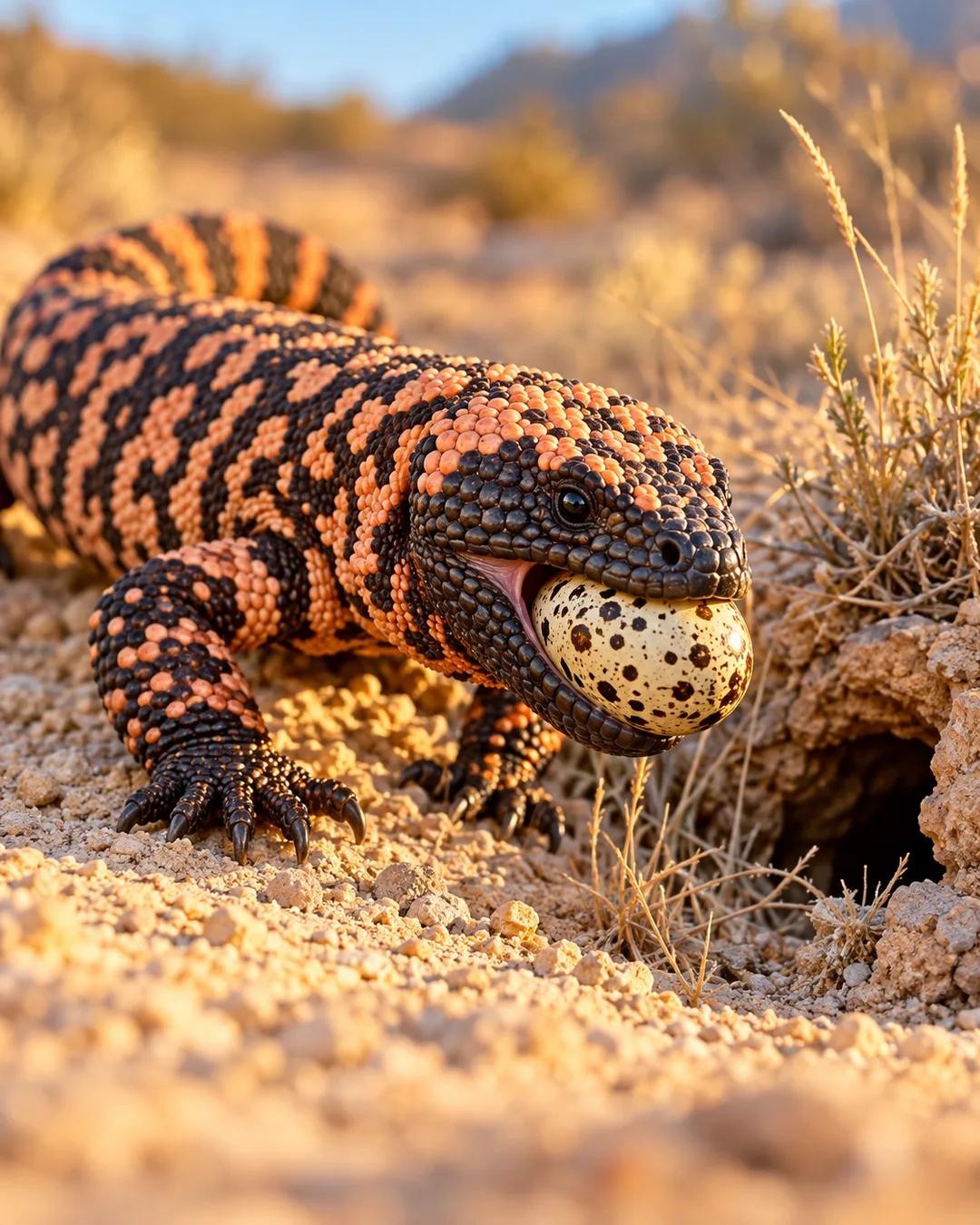
Gila monsters top out at 1.5 mph
The slow lizard
It lives in the southwestern United States and northern Mexico and grows one to two feet long. Its jaws are muscular, and the bite is firm and tenacious, with venom dripping into the wound as the lizard chews. It eats mostly small animals such as mice and little birds, and it rarely meets people.
Surviving on little
It spends most of its life underground and comes up only in the spring. It can survive on only a few meals per year, and when it eats, the meal is large, such as entire quail eggs at once. It stores fat in its tail. That tail does not detach, unlike the tails of some other lizards.
Those long fasts, during which it can control its blood sugar, were one of the reasons to suspect something interesting was happening in its venom.
How does a Gila monster deliver its venom?
Unlike a snake, it has no hollow fangs. Its venom glands sit in the lower jaw, and the venom flows through grooves in the teeth as the lizard chews. That chewing style is why the lizard holds on for long stretches once it bites. The venom is a mix of proteins and peptides, including exendin-4.
How can it live on a few meals a year?
Gila monsters have a very low metabolic rate for their size, so they use little energy while resting in burrows. They can eat up to about a third of their body weight in a single meal. The fat stored in the tail is then burned slowly across months. Most of the year is spent underground.
Why was the Gila monster protected so early?
Arizona banned collecting Gila monsters in 1952, which made it the first state to protect a venomous reptile. Habitat loss and collecting for the pet trade had reduced populations. The lizard is named after the Gila River basin in the southwestern United States.