Korva is a scroll of the internet’s best ideas.
Give the decision to the baby
The odds
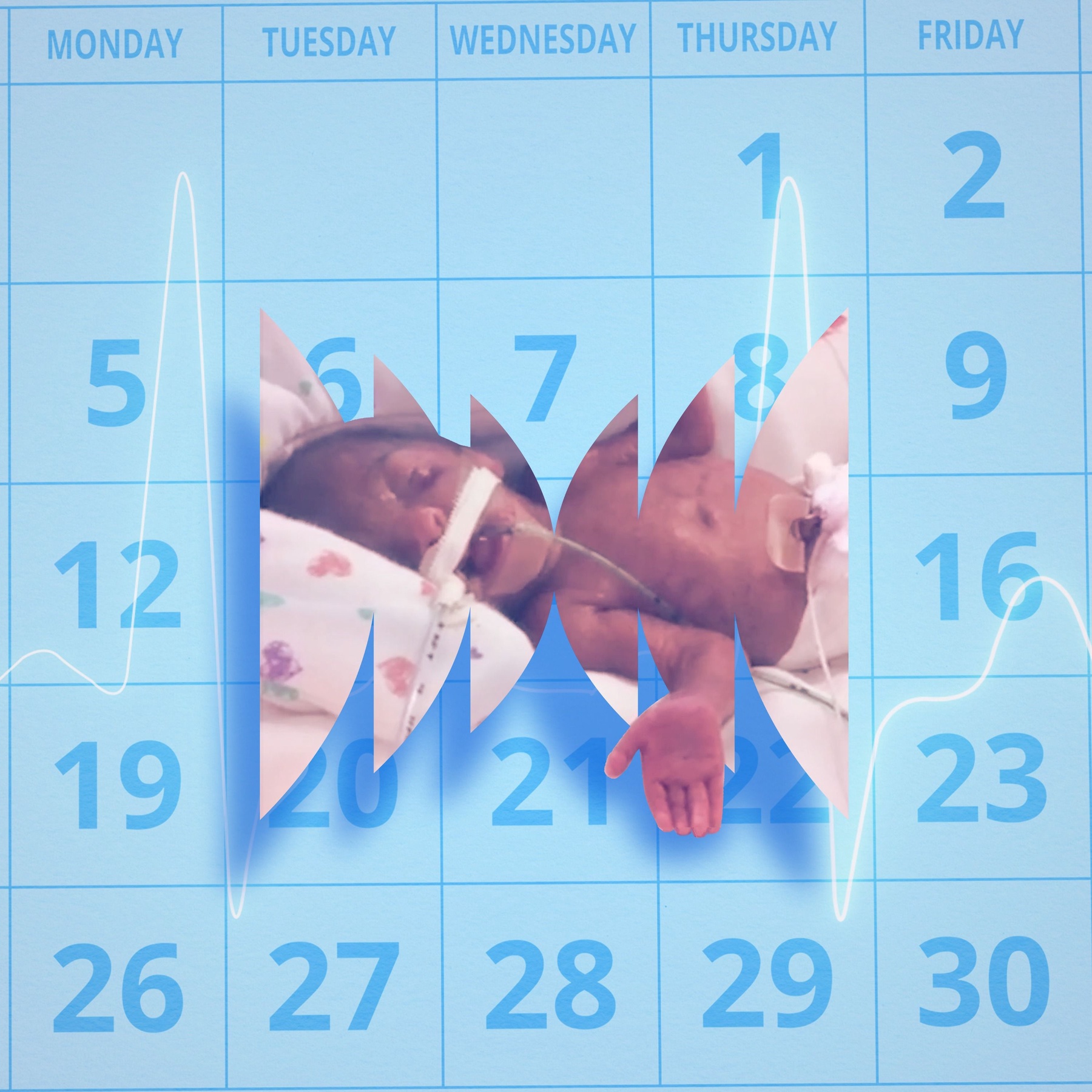
A doctor told them the baby would probably arrive within 24 to 48 hours, and asked whether they wanted everything done. There was about a 53 percent chance she would die no matter what the doctors did, and about a 20 percent chance she would be fine. The other 80 percent could mean a lifetime on a ventilator, a brain bleed that eats holes in the brain and affects thinking, talking, or walking, or blindness or deafness. Nobody could predict which. The decision had to come before she was born, because once they saw her, saying no would be much harder.
The sleepless night
They stayed up all night, crying and arguing about what was in her best interest. Kelly wondered whether she had pushed too far and whether this was the universe pushing back. A baby might mean losing the house, the marriage, and any chance to try again. She got pretty close to no. Through the monitor, they could hear the baby's heartbeat the whole night.
The nurse's answer
The next day a neonatal nurse practitioner with 30 years in the unit came to the room. She gave no numbers, because every baby is different, and instead painted a picture of what she had seen. She also made it clear it was not a yes or no decision. If the baby came out crying and active, they would do everything. If she came out blue and limp, or had a serious brain bleed, they could withdraw support and hold her until she died. In a real way, the decision went to the baby.
That same night Kelly went into labor. A C-section followed within hours, one day short of 24 weeks.
Why do brain bleeds happen in preemies?
Deep in a premature baby's brain lies the germinal matrix, a layer of cells that is still producing neurons and is threaded with delicate, thin-walled vessels. Those vessels are most fragile between about 24 and 32 weeks, and swings in blood pressure and oxygen can burst them. In 1978 Lu-Ann Papile and colleagues published a grading system for these bleeds, grades I to IV, that doctors still use. The mildest grades often cause no lasting damage, and the most severe ones destroy brain tissue.
Why does each extra week matter so much?
Between 22 and 26 weeks the lungs shift from fluid-filled tubes toward working air sacs, and the skin, gut, and brain vessels mature too. Survival of babies born in this range climbs steeply with each added week, according to outcome studies from the NICHD Neonatal Research Network.
How do doctors judge a newborn at birth?
The Apgar score was devised in 1952 by Virginia Apgar, an anesthesiologist at Columbia University. It rates five signs from 0 to 2 each: heart rate, breathing, muscle tone, reflex response, and color. Nurses and doctors score them at one minute and again at five minutes after birth. A blue, limp baby scores low on color and tone, while a crying, active one scores high.
More from Radiolab