Korva is a scroll of the internet’s best ideas.
Give your brain empty space

Nolan after lights out
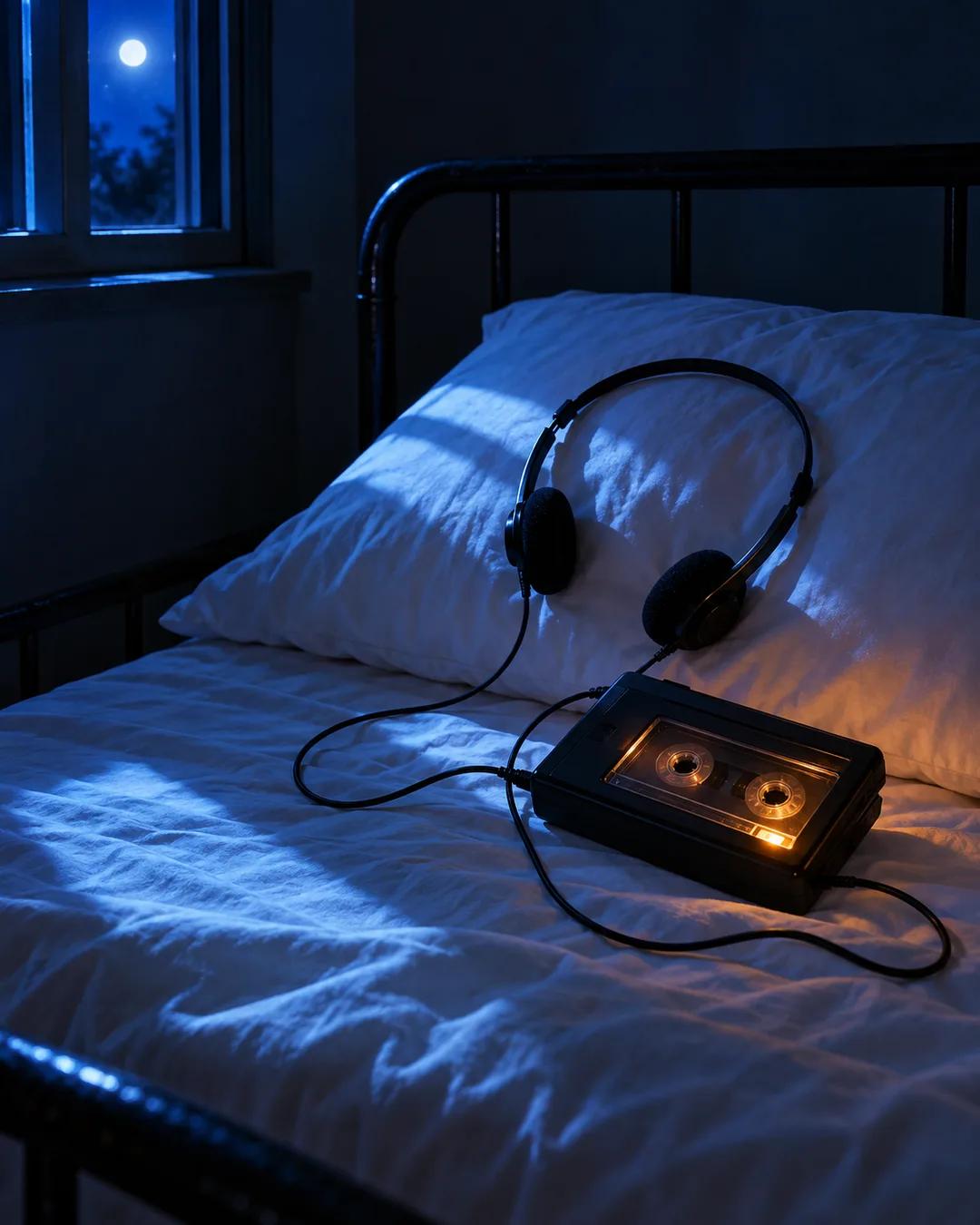
At Haleybury, the Spartan boarding school Christopher Nolan attended, every minute of the day was timed, and by the nine o'clock bedtime everyone was too tired to do anything but fall into bed. Nolan lay there after lights out listening to the soundtracks of Star Wars, 2001, and Chariots of Fire on a Walkman. Film scores leave a bit of space for the pictures and for imagination, and the music gave him room to think about films and stories.
Jim Simons on the sofa
Jim Simons, the founder of Renaissance Technologies, would lie on his office sofa with the lights off while visitors assumed he was napping. He was thinking, letting his mind chew on the problem he was trying to solve.
Bill Gates's missing radio
In the early days of Microsoft, a journalist riding in Bill Gates's car noticed the radio was gone and assumed it had been stolen. Gates had taken it out on purpose. By his arithmetic, the drives between his house, the office, and the airport added up to about 120 minutes a week he could spend thinking about Microsoft instead of listening to music.
Why does a quiet mind solve problems?
Neuroscientist Marcus Raichle and colleagues described a default mode network in a 2001 paper. Certain brain regions turn more active when a person is resting and not focused on a task. Those regions are linked to mind wandering and to connecting ideas that were stored separately. Researchers see this as part of why a break from a problem can lead to the answer.
Does boredom really boost creativity?
In a 2014 study from the University of Central Lancashire, psychologists Sandi Mann and Rebekah Cadman asked one group to copy numbers out of a phone book. Afterward, that group came up with more uses for a pair of plastic cups than a group that had skipped the dull task. Daydreaming during the boring task was the explanation the researchers offered. The study was published in the Creativity Research Journal.
More from Founders