Korva is a scroll of the internet’s best ideas.
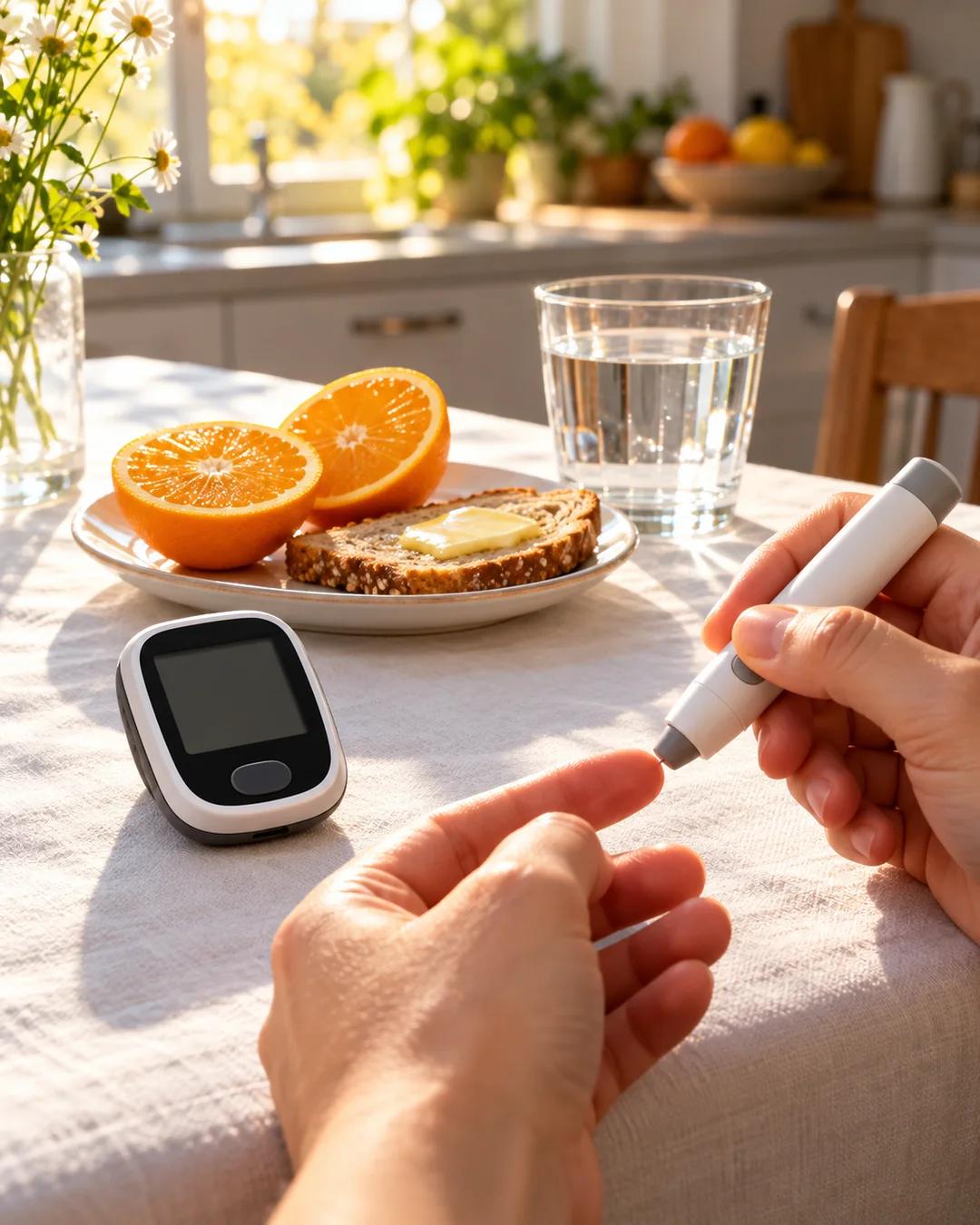
GLP-1 drugs act when sugar is high
The natural GLP-1 hormone is released when you eat and tells the pancreas to release insulin. The drugs share that glucose-dependent effect. A lot of previous diabetes drugs lowered blood sugar across the board, and at a high dose a patient could suffer hypoglycemia, with very low blood sugar. That doesn't happen with GLP-1 drugs. Unlike some other diabetes drugs, they also cause weight loss instead of weight gain, which matters because many people with diabetes are overweight or obese.
They have also been used to prevent diabetes from developing. Both prediabetes and diabetes are measured partly by HbA1c, a measure of how much sugar is attached to hemoglobin. In the SURMOUNT-1 trial, people with obesity and prediabetes who received tirzepatide, the drug sold as Mounjaro, had a 94% reduction in progression to type 2 diabetes over three years. About 18% of those on placebo progressed, against about 2% on tirzepatide.
Why do GLP-1 drugs avoid dangerously low sugar?
In the pancreas's beta cells, GLP-1 receptor signaling amplifies insulin release, but only after glucose entering the cell has already started the release process. When blood sugar is low, little glucose enters the cells and the amplifier has nothing to boost. Sulfonylureas, an older class of diabetes drugs, trigger insulin release directly by closing potassium channels regardless of glucose, which is why they can cause low blood sugar. GLP-1 also suppresses the hormone glucagon only when glucose is high.
Why do some diabetes drugs cause weight gain?
Insulin moves glucose into fat and muscle and promotes fat storage, so higher insulin levels favor weight gain. Sulfonylureas push the pancreas to release more insulin, with a similar effect. Frequent low blood sugar episodes can also prompt extra eating. The UK Prospective Diabetes Study, published in 1998, found that patients treated intensively with insulin or sulfonylureas gained more weight than those on conventional treatment.
How does one blood test reflect months of sugar?
Glucose in the blood sticks to hemoglobin, the oxygen-carrying protein in red blood cells, and the attachment is not reversible. Red blood cells live about 120 days, so the share of hemoglobin carrying sugar reflects average glucose over roughly the past two to three months. The American Diabetes Association defines prediabetes as an HbA1c of 5.7 to 6.4 percent and diabetes as 6.5 percent or higher.
More from Saloni Dattani