Korva is a scroll of the internet’s best ideas.
GLP-1s won't fade like keto

Why this trend stays
Bob Nolan, a Conagra executive who studies demand science, has watched diet trend after trend wax and wane over a long career in the industry. GLP-1s are different structurally. In the next five years, hundreds of generic offerings and new versions of the drugs could appear across the globe, and food companies have concluded these medications aren't going anywhere.
The new playbook
That changes the recipe for success. The old playbook was making food that is delicious and gets people excited about eating, and food makers invested heavily in studying exactly what people crave. Critics have accused the industry of getting consumers hooked, drawing comparisons to what nicotine does to smokers. The new playbook is making food that GLP-1 users and the wider health-conscious crowd have decided they should eat: rich in protein and fiber, easy to make, and with some experiential appeal.
Badges on the box
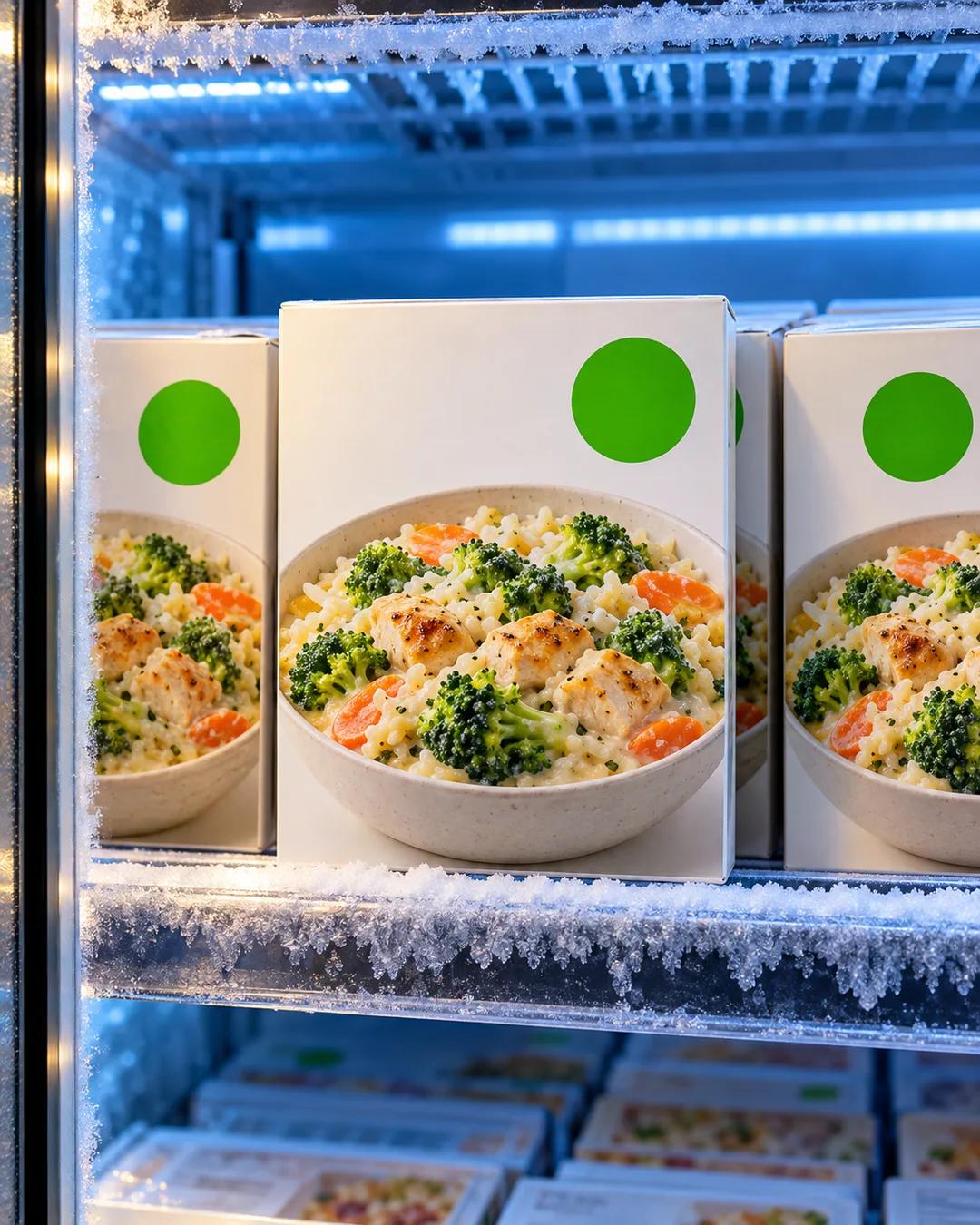
Conagra and Nestle have put GLP-1-friendly badges on boxes, and other products carry big call-outs for 40 grams of protein or high fiber. Most Americans aren't on GLP-1s and still want their usual snacks, so the products high in fat, salt, and sugar stay on the shelves. The health-conscious products are additions meant to draw in more shoppers.
Why could generics arrive within five years?
Drug patents typically run 20 years from the filing date, after which other manufacturers may sell copies. Novo Nordisk's semaglutide, the compound in Ozempic and Wegovy, was patented in the 2000s, and its protection lapses in several countries in 2026. In the United States its main patent runs into the early 2030s. Many countries set a 20-year minimum patent term under the World Trade Organization's TRIPS agreement.
How did earlier diet fads fade?
The low-fat craze peaked in the 1990s, when Nabisco's SnackWell's cookies were selling out in stores. The low-carb wave peaked in the early 2000s, and Atkins Nutritionals filed for Chapter 11 bankruptcy in 2005 as the boom cooled.
How are high protein claims regulated?
In the United States, FDA rules let a label say high for a nutrient when a serving provides 20 percent or more of its Daily Value. The Daily Value for protein is 50 grams, so that bar is 10 grams per serving. The rules for nutrient content claims date to the Nutrition Labeling and Education Act of 1990.
More from The Journal.