Korva is a scroll of the internet’s best ideas.
Gorgeous George winked at Dylan

The lobby gig
It was the mid-1950s, and Bob Dylan was playing on a makeshift platform in the lobby of the Veterans Memorial Building in his hometown. His bands kept breaking up, and every gig brought little acknowledgment and little affirmation. He kept forming new ones anyway, determined to play.
The wink
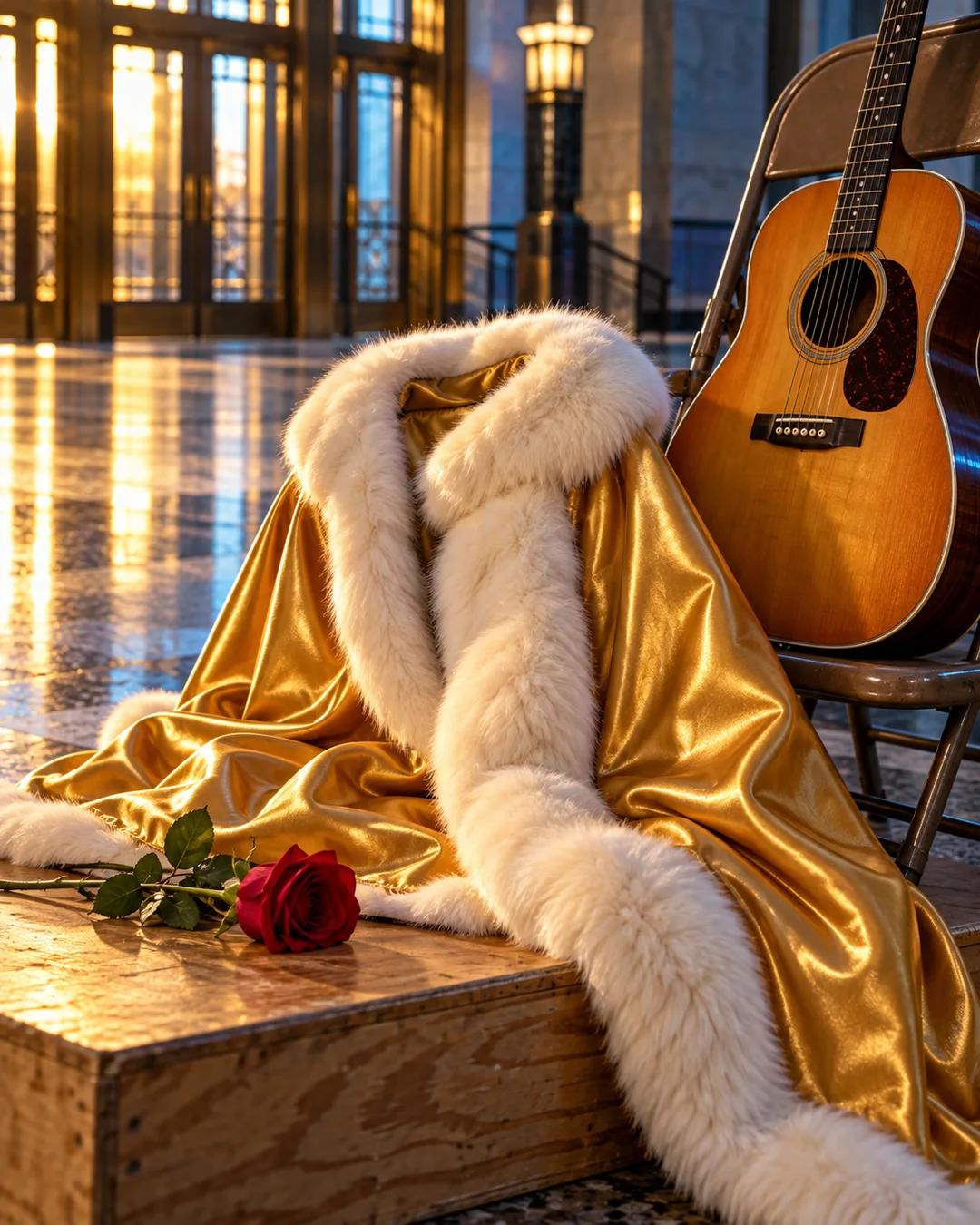
Then the doors burst open and Gorgeous George, the great pro wrestler of the day, roared in like a storm. Valets flanked him, women carried roses around him, and he wore a majestic fur-lined gold cape. He brushed past the stage and glanced toward the music without breaking stride. His eyes landed directly on the teenager, and he winked.
George seemed to mouth that Dylan was making it come alive. Dylan never forgot it. It was all the recognition and encouragement he would need for years to come, the kind that arrives when someone spots you doing the thing for its own sake before anyone else has noticed.
Why did a wrestler become a celebrity?
Gorgeous George, whose real name was George Wagner, turned pro wrestling into theater in the 1940s. He entered the ring in robes and sequined capes, with an attendant who sprayed the mat with perfume, and he played the vain villain so well that crowds paid to see him lose. When television stations needed cheap, easy-to-film programming in the late 1940s, his act reached living rooms across the country. Muhammad Ali later said that meeting George in 1961 helped inspire his own boasting before fights.
Why did early TV love wrestling?
Television stations in the late 1940s had few shows and small budgets. A wrestling ring is a fixed, brightly lit square, so a couple of cameras could cover all the action. The big gestures and loud characters also read well on small black-and-white screens. By the early 1950s, stations in many American cities aired matches several nights a week.
More from Founders