Korva is a scroll of the internet’s best ideas.
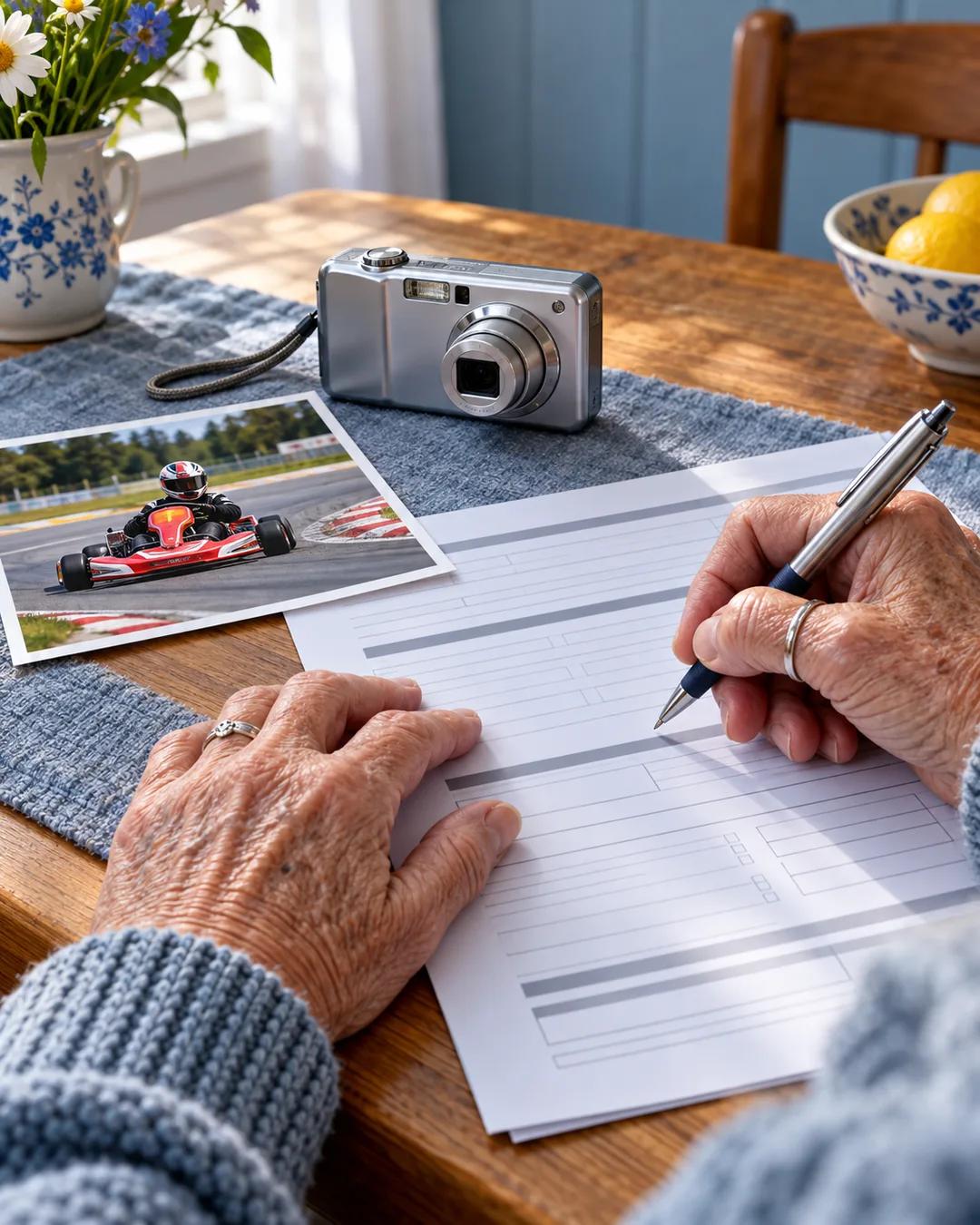
Grandma co-signed the camera

The broken photo system
Matteo Franceschetti, who later co-founded Eight Sleep, raced go-karts as a kid and noticed that the system for race photos was broken. Photographers took pictures and mailed them to drivers weeks later in an envelope. The driver could keep everything and pay for it, or send everything back.
Digital cameras and cheap printers had just arrived, which meant prints could be instant. The business needed a camera that cost about $1,000, and he asked his parents for $500. They told him to stop his stupid ideas, study, and become a lawyer, and his best friend got the same answer from his own parents.
The grandmother's signature
The last shot was the friend's grandmother, who signed the financing papers for about $90 a month for almost a year. The first weekend at the track paid off the whole thing, so five days later the two went back to her and handed over the thousand dollars. With a printer that cost 90 euros and a basic camera, they were soon making five to ten thousand a day, because every driver wanted a picture.
The profits later paid for his trip to San Diego to learn English, since his parents didn't have the money to send him. That English opened the door to the biggest law firms in the world.
Why did race photos take weeks to arrive?
Film had to be developed in a chemical bath before anyone could see a picture. Prints were then made in a lab onto light-sensitive paper, one stage at a time. The lab work alone could take days, before any mailing started. Digital sensors removed all of that, because the image exists the moment the shutter closes.
Why did early digital cameras cost so much?
In the late 1990s, the image sensors inside digital cameras were expensive to make, and few companies could produce them in volume. A camera that took usable photos could cost hundreds of dollars or more. Prices fell quickly as sensor production scaled up and more manufacturers entered the market. Industry figures show digital camera sales passing film camera sales in the United States in the early 2000s.
Why did the camera need a co-signer?
A lender wants to know that someone with income will repay a loan. A young borrower with no credit history gives the lender nothing to go on. A co-signer agrees to be responsible for the payments if the borrower stops paying, which lowers the lender's risk. The loan also appears on the co-signer's own credit record.
More from Joys of Compounding